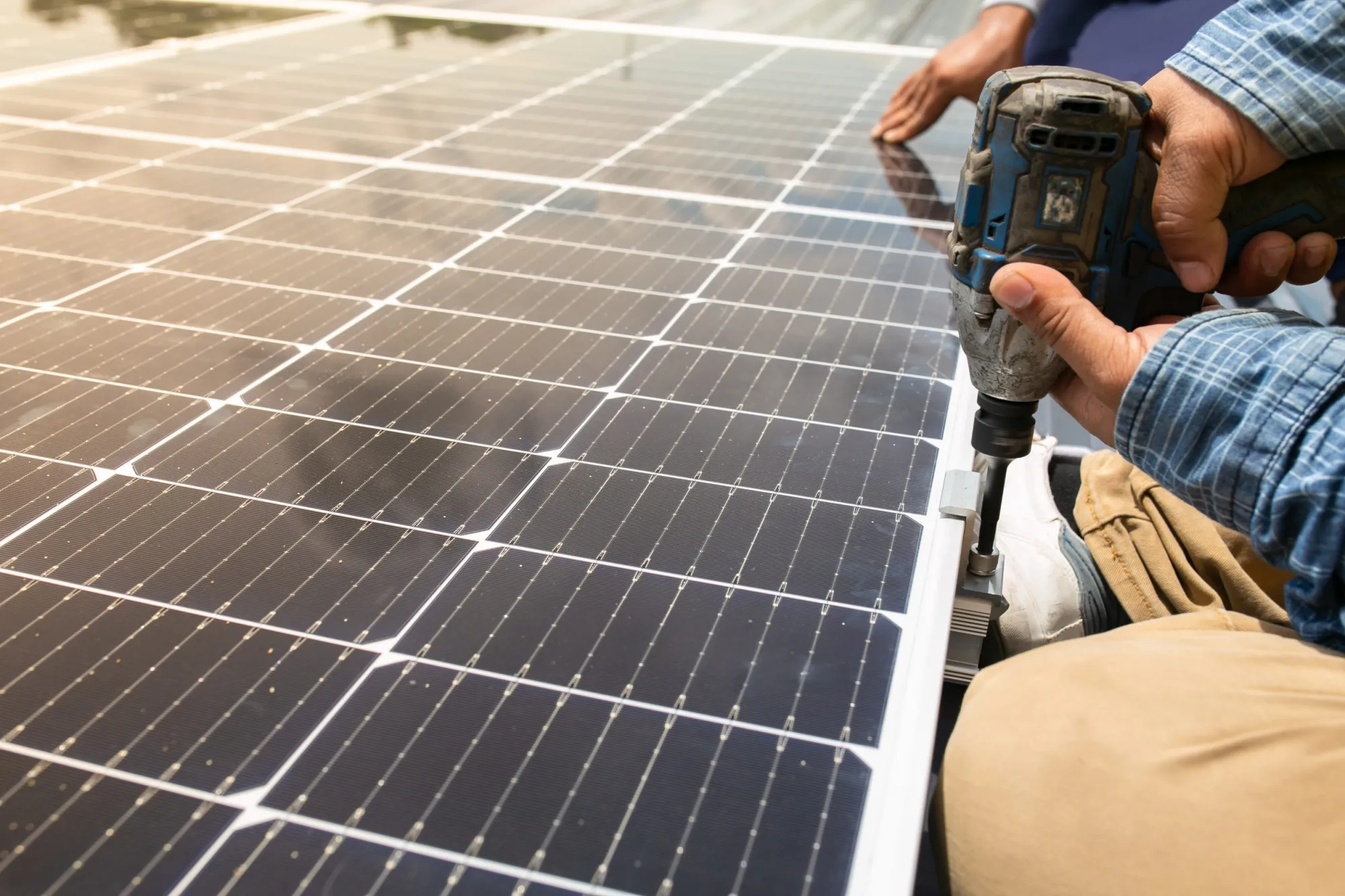

The solar landscape in the U.S. has moved far beyond simple grid-tie setups. Today, homeowners are looking for smarter, more resilient ways to manage their power, and at the heart of that shift is the hybrid inverter. This single piece of hardware acts as the brain of your entire energy ecosystem, balancing the flow between your solar panels, battery storage, and the utility grid. Selecting the right model starts with understanding how your home uses and distributes energy throughout the day, not just comparing specs on a sheet.
If you are planning to buy Sol-Ark online, you are likely looking for a "limitless" approach to solar, one that keeps the lights on even when the neighborhood goes dark. But getting the most out of a Sol-Ark system requires a deeper dive into your specific load requirements and long-term goals.
The Hybrid Advantage
A Sol-Ark inverter is a pre-wired system that combines several functions into one enclosure. Unlike traditional string inverters that shut down during a power outage to protect utility workers, a hybrid system can island itself. This means it can continue to pull power from your panels and batteries even when the grid is dead.
For many, the appeal lies in the all-in-one design. You don’t need a separate auto-transformer or a complex array of external transfer switches. It simplifies the installation process, which often leads to fewer errors in the field and a cleaner look on your garage wall.
Sizing Your System: Peak Demand vs. Daily Use
The most common mistake in solar design is focusing purely on total daily kilowatt-hours (kWh). While that tells you how much energy you use over 24 hours, it doesn't tell you how much power you need at 6:00 PM when the AC, dryer, and oven are all running at once. This is your peak demand.
When choosing a Sol-Ark model, you need to calculate your critical loads. These are the essentials: your refrigerator, well pump, internet router, and maybe a few lighting circuits. If you have high-surge appliances like a central air conditioner, you’ll need an inverter with a high surge or peak power rating to start those motors without tripping the system.
Battery Compatibility and Future-Proofing
One of the biggest selling points of Sol-Ark is that it is battery agnostic. This means you aren't locked into a single, expensive proprietary battery brand. The inverter can be programmed to manage Lithium Iron Phosphate (LiFePO4) batteries and traditional lead-acid batteries efficiently.
However, you must match your battery bank's discharge rate to the inverter’s capacity. A giant inverter won't help you much if your battery bank is too small to provide the necessary current. It’s also worth thinking about expansion. It is much cheaper to buy a unit that can handle an extra string of panels today than it is to replace the entire inverter two years from now when you buy an Electric Vehicle.
Reliability and Support in the U.S. Market
In the sector of power electronics, heat is the enemy. Sol-Ark units are built with robust cooling and heavy-duty components designed for longevity. Beyond the hardware, their U.S.-based engineering support is an advantage. If an installer hits a snag during commissioning, having a team they can actually call makes a world of difference.
Ultimately, choosing the right inverter is about peace of mind. By assessing your current needs and leaving a little room for growth, you can build a system that provides true energy independence for decades. Exploring options through verified suppliers ensures you get genuine gear and the full manufacturer's warranty.

























Sign in to leave a comment.