

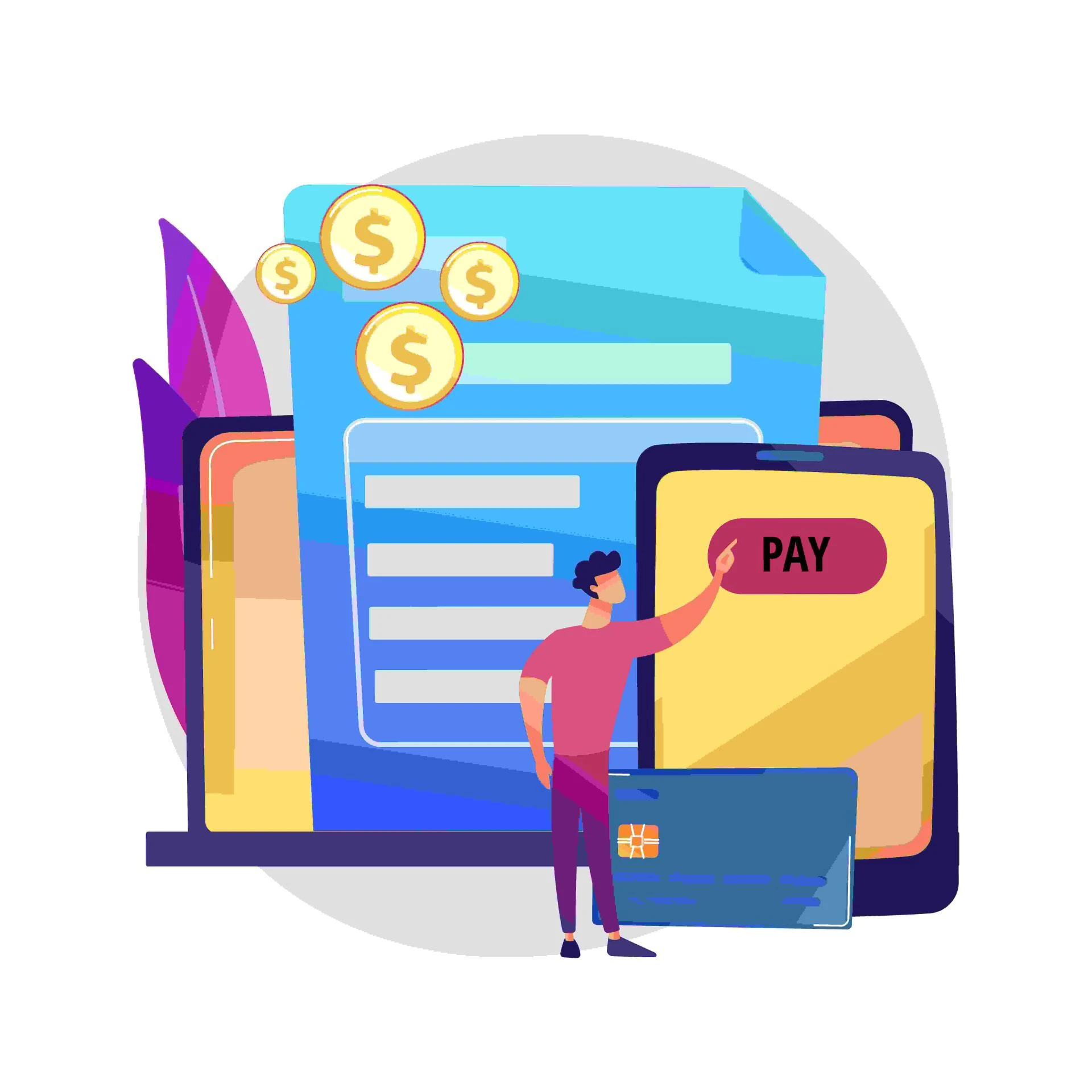
The U.S. payments landscape is undergoing one of the biggest transformations in its history. Consumers and businesses are no longer relying solely on traditional credit cards and bank transfers. Today, payments move through digital wallets, Buy Now Pay Later (BNPL) platforms, real-time payment networks, mobile apps, eCommerce marketplaces, and embedded finance ecosystems.
For businesses, this evolution has created new opportunities to improve customer experiences and accelerate revenue collection. However, it has also introduced a significant operational challenge: managing and reconciling transactions across multiple payment channels.
As payment ecosystems become more fragmented, payment reconciliation has evolved from a routine accounting function into a critical component of financial operations. Organizations that fail to modernize reconciliation processes often struggle with settlement delays, reporting inaccuracies, compliance risks, and inefficient financial workflows.
The Evolution of Payments in the United States
A decade ago, most businesses handled transactions through credit cards, debit cards, ACH transfers, and checks. Finance teams could typically reconcile transactions using straightforward processes and periodic reporting.
Today, the situation looks very different.
Consumers increasingly expect flexible payment options, including:
- Digital wallets such as Apple Pay and Google Pay
- Buy Now Pay Later services
- Instant account-to-account transfers
- Subscription-based payment models
- Real-time payment networks
- Embedded payment experiences
The rise of these payment methods has dramatically increased transaction volumes and data complexity.
A single customer purchase may involve multiple intermediaries, including payment gateways, processors, acquiring banks, issuing banks, fraud screening systems, settlement providers, and internal accounting platforms. Each system generates its own transaction records, making reconciliation far more challenging than in the past.
Why Payment Complexity Creates Reconciliation Challenges
Every payment channel operates differently. Settlement schedules, transaction formats, processing fees, refunds, and dispute management procedures can vary significantly.
For example:
- Credit card transactions may settle within one to three business days.
- ACH payments follow different processing timelines.
- BNPL providers often split customer payments across multiple installments.
- Real-time payments are processed instantly but still require transaction validation and reporting.
- Digital wallets introduce additional layers of transaction routing and authentication.
As businesses expand their payment offerings, finance teams must reconcile data from numerous sources while maintaining complete financial accuracy.
Without a structured approach, organizations can quickly lose visibility into transaction activity.
The Rise of Real-Time Payments
One of the most significant developments in the U.S. payments market is the growth of real-time payment infrastructure.
Networks such as RTP and FedNow are enabling instant payment transfers between financial institutions. While these innovations improve liquidity and customer experience, they also create new operational demands.
Traditional reconciliation processes were built around batch processing and end-of-day reporting. Real-time payments require businesses to monitor and validate transactions continuously.
This shift has forced organizations to rethink how reconciliation is performed.
Instead of relying on periodic reviews, finance teams increasingly require automated payment reconciliation processes that can keep pace with modern transaction speeds.
BNPL and the New Reconciliation Challenge
Buy Now Pay Later solutions have become increasingly popular among U.S. consumers, particularly in retail and eCommerce sectors.
While BNPL improves conversion rates and purchasing flexibility, it introduces additional reconciliation complexity.
A single transaction may involve:
- Customer installment schedules
- Merchant settlements
- Service fees
- Refund adjustments
- Chargeback management
Reconciling these moving parts manually can be extremely time-consuming.
As BNPL adoption continues to grow, businesses need more sophisticated reconciliation frameworks capable of handling multi-stage payment workflows efficiently.
Why Traditional Reconciliation Methods No Longer Work
Many organizations still rely on spreadsheets and manual reviews to reconcile transactions.
While this approach may have been sufficient when payment channels were limited, it struggles to support today's digital payment environment.
Manual reconciliation often leads to:
Delayed Financial Reporting
Finance teams spend valuable time matching transactions across systems, slowing month-end close and reporting processes.
Increased Error Rates
The larger the transaction volume, the greater the likelihood of missed discrepancies and data entry errors.
Limited Visibility
Manual workflows make it difficult to identify settlement issues and transaction exceptions in real time.
Higher Operating Costs
Growing payment complexity often requires additional resources to manage reconciliation activities.
For companies processing thousands of transactions daily, manual methods simply cannot scale effectively.
The Shift Toward Intelligent Reconciliation
To address these challenges, businesses are increasingly investing in payment reconciliation software designed for modern digital payment ecosystems.
Unlike traditional spreadsheet-based processes, modern reconciliation platforms automate transaction matching across multiple systems and payment channels.
These solutions help organizations:
- Reconcile transactions faster
- Reduce manual intervention
- Improve financial accuracy
- Track settlement activity
- Identify discrepancies automatically
- Strengthen compliance controls
As payment volumes continue to increase, automation has become a strategic necessity rather than a convenience.
The Role of Data and Automation
Modern reconciliation platforms do more than compare transaction records.
Advanced solutions use automation and analytics to provide greater visibility into payment operations.
Benefits include:
Automated Transaction Matching
Transactions can be matched across banks, processors, payment gateways, and ERP systems without manual review.
Exception Management
Unmatched transactions are automatically flagged for investigation.
Settlement Monitoring
Finance teams can track payment settlements and identify delays before they impact cash flow.
Audit Readiness
Automated workflows create detailed audit trails that simplify compliance and reporting requirements.
Organizations implementing automated payment reconciliation software often experience significant improvements in efficiency and reporting accuracy.
Preparing for the Future of Payments
The U.S. payments industry will continue evolving as new technologies emerge.
Artificial intelligence, embedded finance, open banking initiatives, and real-time transaction networks are expected to increase payment complexity even further.
Businesses that continue relying on outdated reconciliation processes may face growing operational challenges.
Future-ready organizations are adopting technologies that support:
- Real-time transaction visibility
- Multi-channel payment reconciliation
- AI-driven exception detection
- Automated settlement tracking
- Scalable financial operations
These capabilities help organizations remain agile in an increasingly dynamic payments environment.
Conclusion
The growth of digital wallets, BNPL platforms, real-time payment networks, and alternative payment methods has fundamentally changed how businesses manage financial transactions. While these innovations improve customer experiences, they also create new reconciliation challenges that traditional processes cannot efficiently address.
To maintain financial accuracy and operational efficiency, organizations must modernize their payment reconciliation strategies. By adopting automated payment reconciliation solutions, businesses can reduce manual effort, improve visibility, accelerate financial reporting, and support long-term growth.
Companies looking to simplify reconciliation across today's complex payment ecosystem can explore advanced automation solutions from Optimus Fintech to improve transaction visibility, strengthen financial controls, and streamline payment operations at scale.























Sign in to leave a comment.