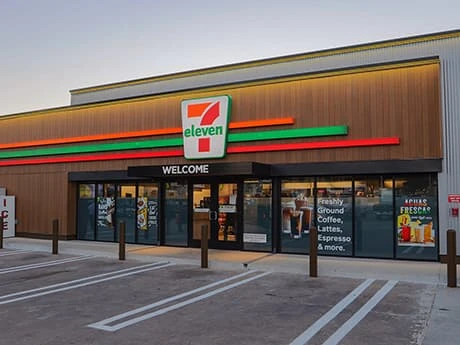

In the ever-evolving landscape of commercial real estate, certain properties stand out as particularly attractive investment opportunities. Among these, 7 Eleven real estate has emerged as a hot pick for triple net (NNN) investors. This article explores the factors contributing to the appeal of 7 Eleven properties, examining their business model, the benefits of NNN leases, and the broader market dynamics driving investor interest.
The Business Model of 7 Eleven
7 Eleven is a globally recognized convenience store chain that operates thousands of locations across the United States and beyond. With a strong brand presence, 7 Eleven has established itself as a go-to destination for consumers seeking quick and easy access to snacks, beverages, and essential household items. Its business model is built around convenience, catering to the fast-paced lifestyles of modern consumers.
One of the key elements of 7 Eleven’s success is its ability to adapt to changing consumer preferences. The company has embraced technological advancements, such as mobile ordering and delivery services, which enhance the shopping experience and keep customers coming back. This adaptability positions 7 Eleven as a stable tenant, making its real estate an attractive option for investors seeking reliable income streams.
The Advantages of Triple Net Leases
Investing in 7 Eleven real estate typically involves acquiring properties subject to triple net leases, which are characterized by the tenant assuming most of the property-related expenses. In a triple net lease agreement, the tenant is responsible for property taxes, insurance, and maintenance costs, allowing the property owner to enjoy a more passive investment experience.
This leasing structure provides several advantages for investors. Firstly, it reduces the financial burden on property owners, as they are not responsible for the day-to-day operational expenses associated with the property. This allows investors to focus on the long-term growth of their assets rather than managing ongoing expenses.
Secondly, triple net leases tend to be long-term agreements, often spanning 10 to 20 years. This stability is appealing for investors seeking consistent cash flow over an extended period. With 7 Eleven's well-established brand and customer base, investors can feel confident in the company's ability to fulfill its lease obligations, further enhancing the security of their investment.
Strong Market Demand for Convenience Stores
The growing demand for convenience stores like 7 Eleven is another compelling reason for investors to consider 7 Eleven real estate. As lifestyles become increasingly fast-paced, consumers seek quick and convenient shopping options. Convenience stores, particularly those open 24/7, have become integral to meeting this demand.
7 Eleven has positioned itself strategically within this market by providing a diverse range of products that cater to various consumer needs. From snacks and beverages to prepared foods and household essentials, 7 Eleven stores are designed to be a one-stop shop for busy individuals. This broad product offering not only drives foot traffic but also contributes to the overall financial success of the business, ensuring that tenants can uphold their lease commitments.
The ongoing evolution of consumer preferences has also led to increased interest in healthier food options. 7 Eleven has responded by expanding its product lines to include fresh foods, organic snacks, and beverages. This adaptability not only attracts a wider customer base but also positions 7 Eleven favorably within the growing trend of health-conscious shopping.
Location, Location, Location
When it comes to real estate investment, the importance of location cannot be overstated. 7 Eleven strategically selects its store locations in high-traffic areas, ensuring easy accessibility for consumers. Properties located near residential neighborhoods, office complexes, and transportation hubs tend to perform exceptionally well, driving consistent foot traffic and sales.
Investors looking at 7 Eleven real estate should consider the potential for growth in the surrounding area. Locations in rapidly developing regions or those experiencing population growth can offer significant upside potential. The combination of a stable tenant like 7 Eleven and a prime location creates a recipe for success, making these properties highly sought after by investors.
Moreover, the convenience store industry is often less susceptible to economic downturns compared to other retail sectors. While some businesses may struggle during challenging economic times, convenience stores tend to maintain steady sales due to their essential offerings. This resilience makes 7 Eleven real estate an attractive investment choice, even during uncertain economic conditions.
The Stability of a Trusted Brand
Brand recognition plays a critical role in the success of any business, and 7 Eleven stands out as one of the most recognizable convenience store brands in the world. This strong brand identity not only drives customer loyalty but also enhances the overall stability of 7 Eleven real estate investments.
Investors can take comfort in knowing that 7 Eleven has a long history of profitability and a proven business model. The company's ability to adapt to changing market conditions and consumer preferences has solidified its position as a leader in the convenience store industry. This established reputation translates into a lower risk profile for investors, as the likelihood of tenant default is diminished.
Additionally, 7 Eleven's commitment to innovation and expansion further reinforces its market position. The company continuously explores new store formats, product offerings, and technological advancements to enhance the shopping experience. This proactive approach to business ensures that 7 Eleven remains relevant in a competitive landscape, providing investors with confidence in the long-term viability of their real estate investments.
Challenges and Considerations
While the appeal of 7 Eleven real estate is clear, investors should also be aware of potential challenges. The convenience store industry is competitive, with numerous players vying for market share. Investors must conduct thorough due diligence to understand the specific market dynamics in their chosen locations.
Additionally, changes in consumer behavior, such as the rise of e-commerce and online grocery shopping, can impact the traditional retail landscape. While convenience stores have adapted to some extent by offering delivery services, investors should remain vigilant about evolving trends and the potential impact on foot traffic and sales.
Moreover, the regulatory environment surrounding convenience stores can vary by location. Investors should familiarize themselves with local zoning laws, health regulations, and licensing requirements to ensure compliance and avoid potential disruptions to operations.
Conclusion
In conclusion, investing in 7 Eleven real estate presents a compelling opportunity for triple net investors seeking stability and growth. With a strong business model, long-term leases, and a growing demand for convenience, 7 Eleven properties offer a reliable income stream and the potential for appreciation. The combination of a trusted brand, strategic locations, and a resilient industry positions 7 Eleven real estate as a hot pick for investors looking to capitalize on the expanding market.
For those interested in exploring further insights and trends in commercial real estate, visit NNN Trends by Equity CRE. Discover invaluable resources and strategies to enhance your investment portfolio and seize opportunities in this dynamic sector. Don’t miss out on the chance to invest in the future of convenience retail and elevate your investments with 7 Eleven real estate!





























Sign in to leave a comment.