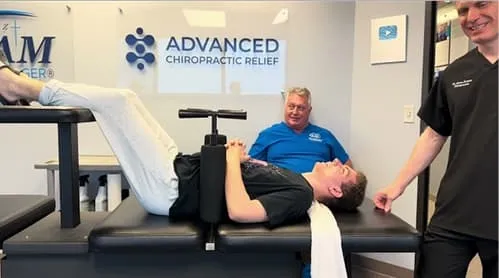

Modern chiropractic care continues to evolve with innovative equipment that enhances patient comfort, practitioner efficiency, and treatment precision. One of the most valuable advancements is the chiropractor rolling table, which has become an important tool for practices focused on delivering effective spinal care. Designed to support gentle motion and controlled therapy, this specialized table helps improve patient experiences while assisting chiropractors in performing a wide variety of treatment techniques. As patient expectations continue to rise, investing in reliable treatment equipment becomes increasingly important for achieving consistent clinical outcomes.
Understanding a Chiropractor Rolling Table
A chiropractor rolling table is a specialized treatment table designed with moving rollers that gently travel along the patient's spine while the individual remains comfortably positioned. The rolling action creates controlled movement that supports spinal mobilization, muscle relaxation, and improved circulation without requiring aggressive manual pressure. This equipment has become increasingly popular because it combines patient comfort with practical therapeutic benefits, making it suitable for individuals experiencing various spinal and musculoskeletal concerns while complementing traditional chiropractic adjustment techniques.
How the Rolling Mechanism Works
The rolling mechanism operates through carefully designed rollers that move in a controlled pattern beneath the patient's back. As the rollers travel along different regions of the spine, they apply gentle and consistent pressure that encourages muscle relaxation and spinal flexibility. The controlled movement helps prepare the body for chiropractic adjustments while reducing muscular tension that may interfere with effective treatment. This gradual process creates a more comfortable experience for many patients and allows practitioners to deliver care with greater confidence and precision during each appointment.
Difference Between Rolling Tables and Standard Treatment Tables
Unlike standard chiropractic tables that primarily provide support during adjustments, rolling tables actively contribute to the therapeutic process through continuous movement. Traditional tables rely entirely on manual treatment techniques, whereas rolling tables introduce gentle spinal motion that can complement chiropractic care before or after adjustments. This additional functionality allows practitioners to provide a broader range of treatment options while improving patient comfort. The combination of passive movement and manual therapy creates a more comprehensive approach that addresses multiple aspects of spinal health during a single visit.
Benefits for Patients Receiving Chiropractic Care
Patients often seek chiropractic treatment to relieve pain, improve mobility, and enhance overall wellness. A rolling table supports these objectives by providing gentle spinal movement that promotes relaxation and prepares the body for adjustments. Many patients appreciate the comfortable treatment experience because the controlled motion helps reduce stiffness without causing unnecessary discomfort. This supportive approach encourages greater patient satisfaction while increasing confidence in chiropractic care, especially among individuals who may feel anxious about manual adjustments during their first appointments.
Improved Muscle Relaxation
One of the primary benefits of using a rolling table involves its ability to encourage muscle relaxation throughout the back and surrounding tissues. Tight muscles often limit spinal mobility and make adjustments more challenging. The gentle rolling action helps release muscular tension while improving tissue flexibility, allowing patients to feel more comfortable during treatment. Relaxed muscles also enable chiropractors to perform adjustments with greater accuracy because resistance from surrounding tissues is significantly reduced, resulting in smoother and more effective treatment sessions.
Enhanced Circulation and Tissue Health
The rhythmic movement produced by the rolling table encourages healthy blood circulation throughout the treated areas. Improved circulation delivers oxygen and nutrients to muscles, ligaments, and surrounding tissues while supporting the body's natural healing processes. Better blood flow may also assist in reducing muscle fatigue and promoting faster recovery following chiropractic treatment. Patients frequently report feeling refreshed after sessions because the gentle stimulation contributes to an overall sense of relaxation and improved physical well being throughout the spine and surrounding structures.
Greater Patient Comfort
Comfort plays a major role in successful chiropractic treatment because relaxed patients often respond better to therapy. The smooth rolling motion creates a calming experience that helps reduce nervousness and encourages patients to remain relaxed throughout the session. Individuals who are hesitant about spinal adjustments often appreciate the gentle nature of rolling table therapy because it introduces movement gradually rather than relying solely on manual techniques. This comfortable environment contributes to improved patient confidence and encourages continued participation in recommended treatment plans.
Advantages for Chiropractic Professionals
Rolling tables offer significant benefits for chiropractic practitioners by improving workflow, enhancing treatment versatility, and supporting more efficient patient care. The equipment assists with patient preparation while reducing some of the physical demands associated with manual therapy. Chiropractors who incorporate modern treatment tables into their practice often experience improved productivity because patients arrive at the adjustment phase with muscles already relaxed and joints better prepared for movement. This efficient process supports consistent treatment quality throughout the clinical schedule.
Better Treatment Preparation
Preparing the body before spinal adjustments often improves treatment effectiveness. The rolling table gently mobilizes spinal tissues and relaxes muscles before manual techniques begin. This preparation allows practitioners to assess movement more accurately while making adjustments with greater precision. Reduced muscular resistance helps improve patient cooperation during treatment, creating a smoother clinical experience. Effective preparation also supports better communication between practitioner and patient because individuals frequently feel more comfortable and receptive after spending time on the rolling table before adjustments are performed.
Reduced Physical Strain on Practitioners
Providing chiropractic care requires repetitive physical effort throughout the working day. Rolling tables help reduce practitioner fatigue by assisting with patient preparation before manual treatment begins. Relaxed muscles require less force during adjustments, allowing chiropractors to perform techniques with improved efficiency while minimizing unnecessary physical strain. This benefit contributes to practitioner longevity by reducing repetitive stress associated with daily clinical work. A well designed treatment environment supports both patient care and professional well being, making equipment selection an important practice consideration.
Increased Treatment Versatility
A rolling table expands the range of therapeutic options available within a chiropractic practice. Practitioners can incorporate rolling therapy before adjustments, after adjustments, or as part of broader rehabilitation programs depending on patient needs. This flexibility allows individualized treatment planning while supporting various conditions related to spinal discomfort, muscular tension, and reduced mobility. Offering multiple treatment approaches enhances the overall patient experience and demonstrates a commitment to comprehensive chiropractic care that addresses different stages of recovery and wellness maintenance.
Conditions That May Benefit from Rolling Table Therapy
Many patients seeking chiropractic care experience conditions involving muscle tightness, spinal stiffness, or reduced flexibility. Rolling table therapy provides gentle movement that supports treatment for numerous musculoskeletal concerns. Although every patient requires an individualized assessment, the equipment can complement chiropractic care across a wide range of situations. By promoting relaxation and mobility, rolling tables help create favorable conditions for successful adjustments while supporting ongoing spinal health and functional movement throughout daily activities and rehabilitation programs.
Chronic Back Discomfort
Individuals living with chronic back discomfort often develop persistent muscle tension that limits movement and contributes to stiffness. Gentle rolling motion helps reduce this muscular tightness while encouraging improved flexibility throughout the spine. As tissues become more relaxed, chiropractic adjustments may become easier to perform and more comfortable for the patient. This supportive therapy encourages greater movement while helping individuals maintain healthier posture and spinal function as part of a comprehensive chiropractic care plan designed for long term wellness.
Neck and Shoulder Tension
Neck and shoulder tension frequently develops because of prolonged sitting, repetitive work activities, or poor posture. Although the rolling table primarily targets the spine, its gentle movement encourages relaxation throughout connected muscle groups that influence the upper body. Reduced muscular tightness often contributes to improved neck mobility and greater comfort during chiropractic treatment. Patients who experience persistent upper body stiffness may benefit from combining rolling therapy with individualized chiropractic techniques that address the underlying causes of muscular imbalance and restricted movement.
Limited Spinal Mobility
Restricted spinal mobility can interfere with everyday activities and reduce overall quality of life. Rolling table therapy promotes gradual spinal movement that encourages flexibility without placing excessive stress on joints or surrounding tissues. Improved mobility supports better posture, increased functional movement, and enhanced comfort during daily tasks. Patients participating in ongoing chiropractic care often appreciate the gentle nature of rolling therapy because it complements manual adjustments while encouraging healthier movement patterns that contribute to lasting spinal wellness and improved physical performance.
Choosing the Right Chiropractor Rolling Table
Selecting appropriate treatment equipment requires careful evaluation of clinical goals, patient needs, and long term practice objectives. A high quality rolling table should provide consistent performance while supporting patient comfort and practitioner convenience. Considering multiple features before making an investment helps ensure the equipment delivers reliable value over many years of clinical use. Careful selection also contributes to improved treatment efficiency, allowing practitioners to provide dependable care while maintaining high professional standards throughout their practice.
Focus on Patient Comfort Features
Comfort remains one of the most important considerations when selecting treatment equipment. Well cushioned surfaces, smooth roller movement, and adjustable settings help create a positive patient experience across different body types and treatment needs. Comfortable patients are more likely to remain relaxed during therapy, allowing practitioners to perform treatments more effectively. Equipment that prioritizes comfort also demonstrates a commitment to quality care while encouraging patient confidence in the overall chiropractic experience from the beginning of each appointment.
Consider Durability and Reliability
Chiropractic equipment experiences daily use, making durability an essential factor when evaluating treatment tables. High quality construction materials, dependable mechanical components, and reliable performance contribute to long lasting value while minimizing maintenance requirements. Durable equipment supports consistent patient care without frequent interruptions caused by repairs or operational issues. Investing in dependable treatment tables also protects clinical productivity by ensuring practitioners can continue delivering effective therapy with confidence throughout years of regular professional use.
Evaluate Ease of Operation
Efficient equipment should be simple to operate while allowing practitioners to adjust settings quickly between patients. User friendly controls improve workflow by reducing preparation time and allowing greater focus on patient care. Easy operation also supports consistent treatment delivery because practitioners can customize therapy according to individual patient requirements without unnecessary complexity. Practical design features contribute to smoother appointments, improved staff efficiency, and an overall treatment environment that prioritizes both effectiveness and patient satisfaction.
The Future of Rolling Tables in Chiropractic Practice
Advancements in chiropractic technology continue to shape modern patient care, and rolling tables remain an important part of this evolution. As practices increasingly emphasize patient comfort, efficiency, and personalized treatment, equipment that supports these objectives will continue growing in popularity. Future innovations may include enhanced adjustability, improved therapeutic programs, and smarter operational features that further strengthen clinical performance. The continued integration of advanced treatment tables reflects the profession's commitment to delivering safe, comfortable, and effective care for individuals seeking better spinal health.
Conclusion
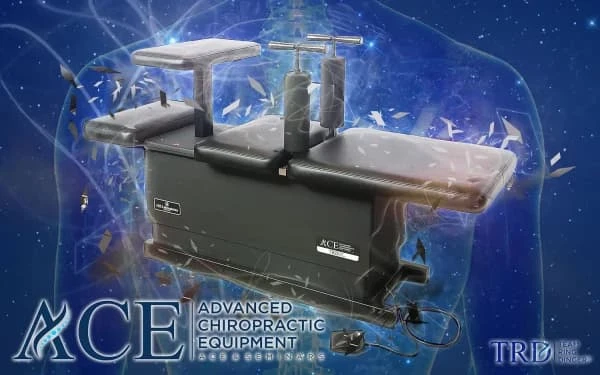
A chiropractor rolling table has become an essential component of modern chiropractic care by combining patient comfort, therapeutic support, and clinical efficiency within a single treatment solution. Its ability to encourage muscle relaxation, improve mobility, and prepare patients for chiropractic adjustments makes it a valuable investment for practices committed to delivering exceptional care. For professionals seeking dependable chiropractic equipment that supports outstanding patient experiences and long term practice success, Advanced Chiropractic Equipment LLC offers quality solutions designed to meet the evolving needs of modern chiropractic clinics.






























Sign in to leave a comment.