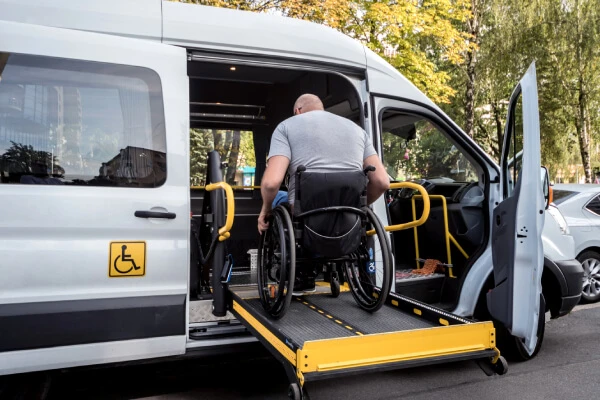

I'll never forget the look on my grandmother's face when the rideshare driver pulled up in his compact car, took one look at her wheelchair, and said, "Oh, I didn't know you'd have that thing with you." After twenty minutes of awkward attempts to figure out how to get both Gran and her chair into his vehicle, he finally threw up his hands and drove off, leaving us stranded on the sidewalk.
That embarrassing afternoon was my wake-up call. I'd been trying to save money by using whatever transportation option seemed cheapest, but I learned the hard way that when it comes to accessible travel, professional wheelchair taxi services aren't just a luxury – they're essential. The difference between amateur and professional accessible transport isn't just about equipment; it's about dignity, safety, and actually getting where you need to go.
What "Professional" Actually Means
When I say professional wheelchair taxi service, I'm not just talking about a company that happens to own a van with a ramp. Real professionals have invested in proper training, appropriate equipment, and systems designed specifically for passengers with mobility needs. They understand that accessibility isn't an add-on service – it's their core business.
Take Marcus, a driver I met through our current service. He spent six months in training before handling his first solo pickup, learning everything from proper wheelchair securing techniques to emergency procedures. "Most people think driving is driving," he told me, "but when you're transporting someone whose mobility equipment is literally their lifeline, there's so much more to consider."
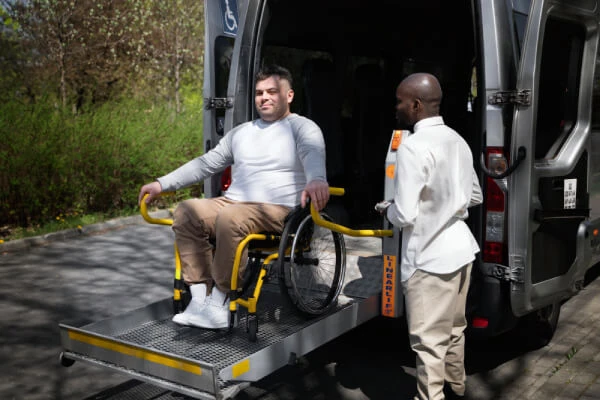
The difference showed immediately. Instead of fumbling with unfamiliar equipment, Marcus moved with practiced efficiency. He knew exactly how to position the vehicle, deploy the ramp safely, and secure Gran's wheelchair properly. What had been a stressful ordeal with amateur services became a smooth, professional experience.
Safety Standards That Matter
Here's something that didn't occur to me until I started researching: wheelchair transportation involves serious safety considerations that regular drivers simply aren't equipped to handle. Professional services follow strict protocols for wheelchair restraints, understand weight distribution in modified vehicles, and know how to handle emergency situations.
I learned this firsthand when our regular driver, Patricia, noticed that Gran's wheelchair had developed a loose wheel during one of our trips. Instead of just completing the journey and hoping for the best, she immediately secured the chair more carefully and recommended we have it serviced before our next outing. "Better safe than sorry," she said, and she was absolutely right – that wheel completely failed two days later while we were at home.
A casual driver might not have noticed the issue, or worse, might have noticed but not known how to respond appropriately. Professional drivers are trained to spot these kinds of problems and handle them safely.
The Equipment Makes All the Difference
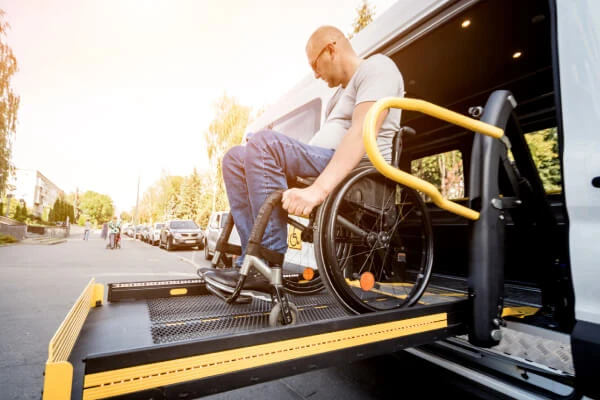
Real professional wheelchair taxi services invest in purpose-built vehicles, not converted vans with aftermarket modifications. The difference is immediately obvious when you experience both. Professional vehicles have properly integrated ramp systems, climate control that works throughout the passenger area, and interior layouts designed for comfort and safety.
Our previous service used what appeared to be a cargo van with a ramp bolted to the back. The ride was bumpy, the interior was cramped, and the whole experience felt makeshift. Our current professional service uses vehicles specifically designed for passenger transport, with smooth suspension, comfortable seating areas, and proper lighting. Gran actually enjoys the rides now instead of enduring them.
Training That Goes Beyond Driving
Professional wheelchair taxi drivers receive specialized training that covers far more than just operating the vehicle. They learn about different types of mobility equipment, proper transfer techniques for passengers who need assistance, and how to communicate respectfully with people who have disabilities.
This training shows up in countless small ways. Professional drivers know to ask before providing assistance rather than assuming you need help. They understand that wheelchair users are the experts on their own mobility needs. They're trained to be patient during transfers without making passengers feel rushed or burdensome.
I've watched amateur drivers make well-meaning but problematic assumptions – like speaking louder to wheelchair users (assuming they must also have hearing impairments) or directing conversations to companions rather than the passenger themselves. Professional drivers treat their passengers as individuals, not medical conditions with transportation needs.
Reliability You Can Actually Count On
Amateur services often treat wheelchair-accessible rides as special requests that get bumped when "regular" customers need service. Professional wheelchair taxi companies understand that their passengers often have medical appointments, work commitments, and social obligations that can't be rescheduled on a whim.
Our current service has never been more than five minutes late for a pickup, and they've never failed to show up entirely. They send confirmation texts, provide driver details, and maintain communication throughout the process. When you're dealing with medical appointments or time-sensitive commitments, this reliability isn't just convenient – it's crucial.
Compare this to our experience with general rideshare services that offered "wheelchair accessible" options. We had three no-shows in two months, countless delays, and constant uncertainty about whether the driver would actually be able to accommodate Gran's needs.
Understanding the Real Costs
Yes, professional wheelchair taxi services cost more than trying to piece together transportation through various apps or casual services. But when you factor in the hidden costs of unreliable service – missed appointments, wasted time, emotional stress, and potential safety risks – the professional option often ends up being more economical in the long run.
More importantly, some things shouldn't be measured purely in dollars. Gran's confidence and independence are worth paying for. The peace of mind that comes from knowing she can reliably get to her medical appointments, visit friends, and maintain her social connections – these benefits far outweigh the extra cost.
The Technology Advantage
Professional services have invested in booking systems, dispatch software, and communication tools designed specifically for accessible transportation. Their drivers use tablets that display passenger needs, medical equipment requirements, and special instructions. This technology ensures that important information doesn't get lost between the booking and the actual ride.
Our service knows that Gran prefers to sit in her wheelchair during transport rather than transferring to a vehicle seat. They know she needs extra time for boarding and that she gets motion sick if the ride is too bumpy. All of this information is automatically included with every booking – no need to explain it repeatedly to different dispatchers or drivers.
Building Long-Term Relationships
Professional wheelchair taxi services understand that their best customers are repeat customers. They work to build relationships with regular passengers, learning preferences and needs over time. This relationship-building creates a level of personalized service that you simply can't get from casual transportation providers.
Gran now has Patricia's direct number and usually rides with the same small group of drivers who know her well. They remember that she likes to chat during rides, know exactly how she prefers her wheelchair positioned, and always ensure she has a clear view out the windows. It's become more than just transportation – it's a social connection that brightens her week.
When Things Go Wrong (And How Professionals Handle It)
Even professional services aren't perfect, but how they handle problems reveals their true character. Last month, our regular vehicle broke down fifteen minutes before a scheduled pickup. Instead of leaving us stranded, the dispatch team immediately contacted two backup drivers, found someone who could reach us within ten minutes, and called to keep us informed throughout the process.
A casual service might have simply canceled the ride and suggested we find alternative transportation. Professional services have contingency plans, backup vehicles, and the systems necessary to solve problems quickly without leaving passengers stranded.
The Dignity Factor
Perhaps most importantly, professional wheelchair taxi services understand that transportation is about more than just moving people from point A to point B. It's about maintaining independence, dignity, and quality of life. Professional drivers don't treat wheelchair users as burdens to be accommodated – they treat them as valued customers deserving of excellent service.
This attitude shift makes an enormous difference in the overall experience. Instead of feeling like we're imposing on someone's kindness, we feel like we're receiving a service we've paid for and deserve. Gran holds her head higher when she travels now, confident that she'll be treated with respect and professionalism.
Making the Investment
Choosing a professional wheelchair taxi service is an investment in safety, reliability, and peace of mind. It's the difference between hoping your transportation will work out and knowing it will. It's the difference between feeling like a burden and feeling like a valued customer.
If you're currently trying to make do with amateur options or general services that offer wheelchair accessibility as an afterthought, I encourage you to try a professional service. Yes, it costs more upfront, but the difference in quality, reliability, and respect is immediately obvious.
Your mobility, your time, and your dignity are worth paying for professional service. Don't let anyone – including yourself – convince you otherwise.
The Bottom Line
Professional wheelchair taxi services exist because accessible transportation requires specialized knowledge, equipment, and commitment. They're not just regular taxi companies with a van – they're transportation specialists who understand that their passengers' needs go far beyond simply getting from one place to another.
After months of struggling with amateur services and general transportation options, switching to a professional wheelchair taxi service transformed our experience completely. What used to be a source of stress and uncertainty became reliable, comfortable, and even enjoyable.












Sign in to leave a comment.