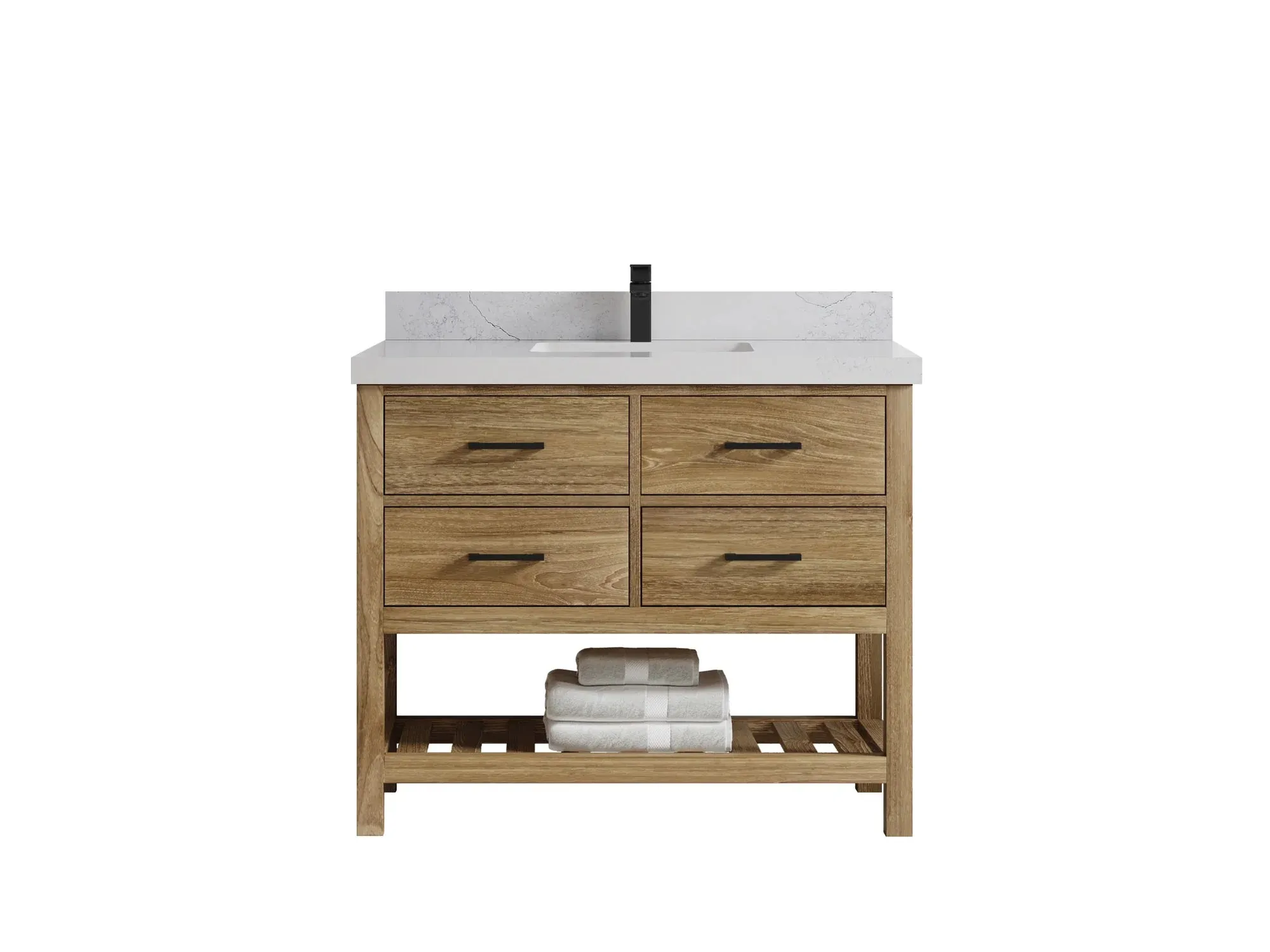

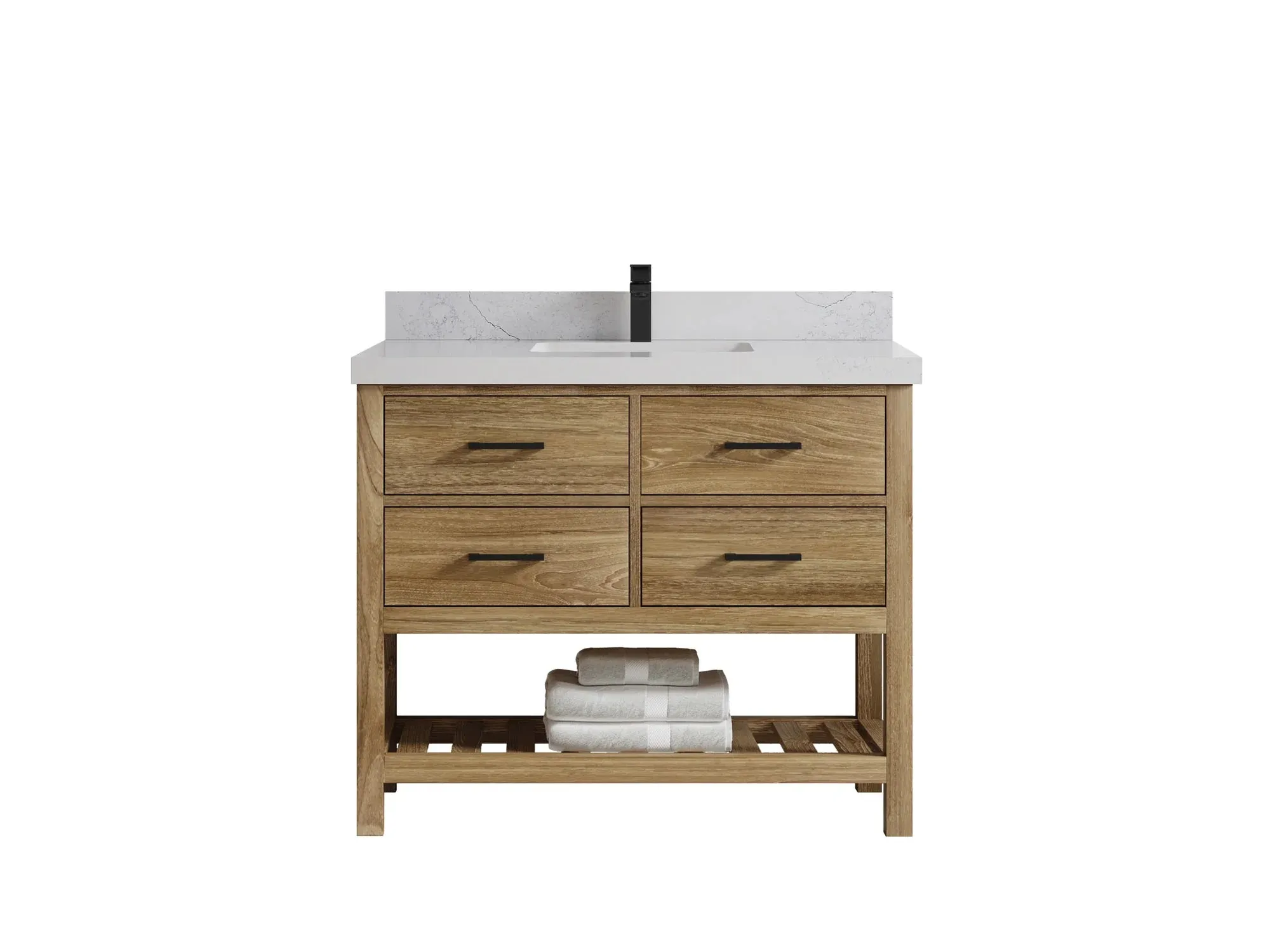
A bathroom vanity has to do more than look attractive. It needs to handle daily water exposure, changing humidity, regular cleaning, and constant use while still providing enough storage for everyday essentials. That makes the material and construction of the vanity especially important.
A teak bathroom vanity is a popular choice because teak combines natural warmth with strong moisture resistance. Its distinctive grain can bring character to both contemporary and traditional bathrooms, while its durability makes it suitable for a room where humidity is unavoidable.
Choosing the right size, construction, finish, and storage configuration can make the vanity even more practical. Here is what to consider before making a decision.
Why Teak Works Well in Bathroom Environments
Bathrooms experience conditions that can be challenging for furniture. Shower steam, splashes, temperature changes, and humidity can gradually affect poorly constructed materials.
Teak has naturally occurring oils and a relatively dense grain, which help it resist moisture better than many other wood species. However, it is important to understand that water-resistant does not mean completely waterproof. Even teak needs sensible care and proper moisture management.
One of the main advantages of teak is that it can develop an attractive patina as it ages. Rather than relying entirely on a painted surface to create visual appeal, the natural grain becomes part of the design.
What Makes a High-Quality Teak Vanity Different?
Not every wooden vanity offers the same level of performance. The type of wood matters, but construction quality matters just as much.
When shopping for a high quality bathroom vanity Norcross homeowners can rely on, look beyond the exterior finish and inspect the details underneath.
1. Solid Wood Construction
Solid wood can provide strength and durability when properly constructed and finished. The website's buying guidance recommends looking closely at the material rather than assuming every wood-look vanity is made from solid timber.
For teak, ask whether the cabinet uses solid teak and what other materials are incorporated into the construction.
2. Strong Drawer and Cabinet Construction
Small construction details can tell you a lot about a vanity's quality.
Look for features such as:
- Dovetail drawer joints
- Smooth drawer operation
- Reliable hinges
- Secure cabinet joints
- Evenly finished edges
- Properly sealed surfaces
Dovetail joints and quality hardware are specifically identified as useful indicators when evaluating solid wood vanity construction.
3. A Suitable Protective Finish
A good finish does more than improve appearance. It helps protect the wood from everyday bathroom conditions.
Check that the finish is smooth and consistent across the cabinet. Pay particular attention to edges, corners, areas around the sink, and other locations where water could collect.
Choosing the Right Vanity Size
Size should always be considered alongside the bathroom's layout.
Before purchasing, measure:
- Available wall width
- Available floor depth
- Vanity height
- Door and drawer clearance
- Plumbing location
- Walking space around the vanity
A compact modern vanity 24 inch wide can be useful where floor space is limited. Smaller vanities can work particularly well in powder rooms, guest bathrooms, and compact layouts where maintaining comfortable movement is more important than maximizing countertop area.
The key is not simply choosing the smallest vanity that fits. You should also consider how much storage and counter space you need each day.
Single or Double Sink: Which Layout Makes Sense?
The number of sinks should reflect how the bathroom is actually used.
Single Sink Vanity
A single sink can be a practical choice when:
- One person primarily uses the bathroom
- The room has limited floor space
- You want more uninterrupted counter space
- You prefer simpler plumbing
- Storage is a priority
A single-sink configuration can also create a cleaner, lighter appearance in a smaller bathroom.
Double Sink Vanity
A double sink is more suitable when two people regularly use the bathroom at the same time. Separate sinks provide individual preparation areas and can make busy morning routines easier.
However, adding a second sink also means considering additional plumbing and the way the cabinet's internal storage is arranged.
Think About Storage Before Choosing a Design
A vanity should solve storage problems rather than create new ones.
Consider what you normally keep in the bathroom:
- Towels
- Skincare products
- Hair tools
- Cleaning supplies
- Toiletries
- Spare bathroom essentials
Drawers can make frequently used items easier to access, while cabinets and shelving can accommodate larger products.
If you are working with limited space, vertical storage and intelligently divided drawers can make a smaller vanity much more useful.
How to Keep a Teak Bathroom Vanity Looking Its Best
Teak is naturally durable, but good maintenance still matters.
A practical care routine includes:
- Wipe up standing water instead of allowing it to remain on the surface.
- Use soft cloths rather than abrasive cleaning tools.
- Avoid harsh chemicals that can damage the finish and natural oils.
- Keep the bathroom properly ventilated.
- Check plumbing beneath the sink regularly for slow leaks.
- Follow the manufacturer's recommendations for oiling or resealing.
Bathroom ventilation is particularly important. Running an exhaust fan during showers and afterward helps reduce excess humidity, benefiting both the vanity and the rest of the bathroom.
Match Teak With the Rest of Your Bathroom
Teak naturally brings warm golden and honey tones into a room. That makes it easy to build a bathroom palette around the wood rather than treating the vanity as an isolated feature.
Warm whites, cream, beige, light stone, and other soft neutral surfaces can complement teak without overwhelming its natural grain.
For a stronger contrast, deeper shades such as charcoal, navy, or muted green can also work, particularly when the bathroom has sufficient lighting.
Hardware is another small detail that can change the overall appearance. Warm metallic finishes can reinforce teak's natural character, while restrained black hardware can create a more contemporary effect.
Should You Choose Custom or Pre-Made?
The answer depends on your bathroom and priorities.
A custom vanity can make sense when:
- Your wall has an unusual measurement.
- You need a specific storage arrangement.
- Plumbing creates design limitations.
- You want control over materials, finish, and hardware.
A pre-made vanity may be more practical when the bathroom follows a standard layout and you want a simpler installation process.
The important point is to measure carefully before buying. A beautiful vanity is still the wrong choice if drawers cannot open properly or the plumbing does not line up.
For homeowners exploring options locally, Bathroom Vanity Norcross offers a range of teak and other solid-wood vanity styles, including floating, single-sink, and larger configurations. The available collection includes several solid teak models, making it possible to compare different sizes and designs based on the needs of the bathroom.
Practical Takeaways Before Buying
Before settling on a teak vanity, use this quick checklist:
- Measure first: Confirm width, depth, height, and clearance.
- Check the material: Find out whether the vanity is solid teak, veneer, or another construction.
- Inspect craftsmanship: Look at joints, drawer operation, hinges, and edge finishing.
- Consider plumbing: Make sure the sink configuration works with your existing setup.
- Plan storage: Choose drawers, cabinets, or shelves based on what you actually need to store.
- Think long term: Consider maintenance, moisture exposure, and how the finish will age.
- Match the room: Coordinate the wood tone with countertops, walls, flooring, lighting, and hardware.
Conclusion
A teak bathroom vanity can combine natural beauty, practical durability, and timeless character in one piece of bathroom furniture. Its natural moisture resistance makes teak particularly suitable for bathroom environments, while thoughtful construction and proper maintenance help preserve its appearance over time.
The best choice ultimately comes down to more than wood type. Size, storage, construction, plumbing, finish, and everyday use all deserve attention. By evaluating these factors before purchasing, you can choose a vanity that works well for your bathroom now and continues to serve you for years.
Frequently Asked Questions
Is teak completely waterproof?
No. Teak is highly water-resistant because of its natural oils and dense grain, but it is not completely waterproof. Standing water, leaks, and excessive humidity can still cause damage over time.
Is a 24-inch vanity suitable for a small bathroom?
Yes. A 24-inch vanity can be a practical option for compact bathrooms when its storage capacity and dimensions meet your needs. Always measure the available space and check door, drawer, and plumbing clearance before purchasing.
How do you maintain a teak bathroom vanity?
Keep the surface dry, clean it with appropriate gentle products, avoid abrasive materials, control bathroom humidity, and follow the manufacturer's recommendations for oiling or resealing.
What should I look for in a high-quality bathroom vanity?
Focus on the construction material, joints, hardware, finish, drawer operation, edge sealing, storage design, and overall workmanship. Price alone is not a reliable indicator of quality.
Is teak suitable for modern bathroom designs?
Yes. Teak's natural grain can complement clean-lined contemporary designs as well as traditional and spa-inspired interiors. Floating configurations and simple hardware can give teak a particularly modern appearance.
























Sign in to leave a comment.