
Introduction
Successful software projects depend on clear, complete, and well-structured requirements. Before developers begin writing code or testers prepare validation scenarios, business teams must accurately define objectives, user expectations, business rules, and functional processes. However, managing requirements manually across large enterprise projects often becomes challenging as documentation grows in volume and complexity.
Business information is typically spread across emails, meeting notes, process documents, spreadsheets, and stakeholder discussions. Organizing this information into structured software requirements requires significant time and coordination between business analysts and technical teams.
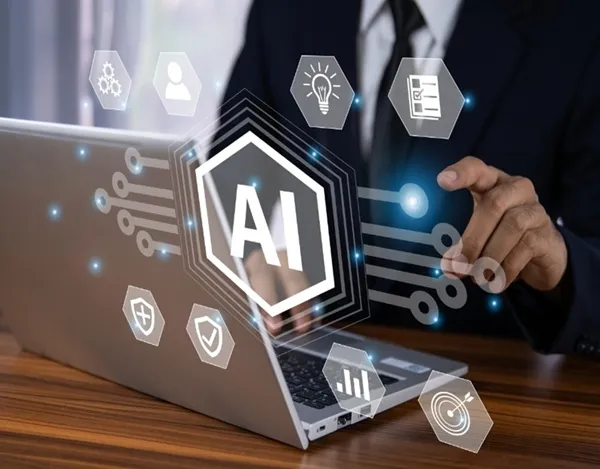
An Agentic AI Assistant helps organizations modernize requirements engineering by intelligently organizing business information, improving documentation quality, and enabling teams to begin software projects with greater clarity and consistency.
Why Requirements Management Determines Project Success
Requirements establish the foundation for every phase of software development. When documentation is incomplete or inconsistent, development teams often spend additional time clarifying business expectations, resulting in project delays and unnecessary rework.
Organizations commonly experience challenges such as:
- Inconsistent business documentation
- Changing stakeholder expectations
- Missing functional details
- Manual documentation effort
- Limited requirement traceability
- Communication gaps across project teams
Improving requirements management early helps organizations reduce implementation risks while strengthening collaboration throughout the Software Development Life Cycle.
AI Brings Structure to Business Analysis
Artificial intelligence enables business analysts to process information more efficiently while maintaining consistency across enterprise projects.
Organizations implementing Agentic AI Requirements Assistant improve documentation quality by organizing business inputs into structured and actionable software requirements.
Rather than replacing business analysts, AI assists them by reducing repetitive documentation work and allowing greater focus on stakeholder engagement, requirement validation, and business decision-making.
Supporting capabilities such as Requirement Extraction, AI Requirements Generation, Enterprise Requirements Management, and AI Requirements Checklist strengthen requirements engineering while improving documentation accuracy.
Building Better Collaboration Across Teams
Effective software delivery requires every stakeholder to work from a shared understanding of project objectives.
Organizations improve collaboration by focusing on:
Consistent Documentation
Well-organized requirements reduce misunderstandings between business and technical teams.
Faster Project Planning
Structured business information allows engineering teams to begin solution design with greater confidence.
Improved Requirement Traceability
Maintaining clear relationships between business objectives and software functionality improves project governance.
Higher Documentation Quality
Standardized requirements simplify future enhancements and ongoing application maintenance.
Organizations adopting Agentic Requirement Generator create repeatable documentation processes that support scalable software delivery across multiple enterprise initiatives.
Supporting Long-Term Requirements Engineering
Requirements management should continue evolving alongside changing business priorities.
Successful organizations focus on:
- Consistent business documentation
- Intelligent information analysis
- Structured requirement management
- Better stakeholder collaboration
- Continuous documentation improvement
Supporting technologies including AI Meeting Transcript to Requirements, Autonomous Requirement Writing, Code to Requirements AI, Use Case Generation AI, and AI Business Requirements Document strengthen enterprise requirements engineering while reducing manual documentation effort.
Conclusion
Enterprise software projects begin with accurate business understanding. Organizations that modernize requirements engineering improve collaboration, reduce project risks, and establish stronger foundations for successful software delivery.
Agentic AI Assistant enables business analysts to create consistent, structured, and high-quality software requirements while allowing teams to focus on business outcomes instead of repetitive documentation activities. As enterprise software projects continue growing in complexity, intelligent requirements engineering will remain essential for delivering reliable and scalable business solutions.

























Sign in to leave a comment.