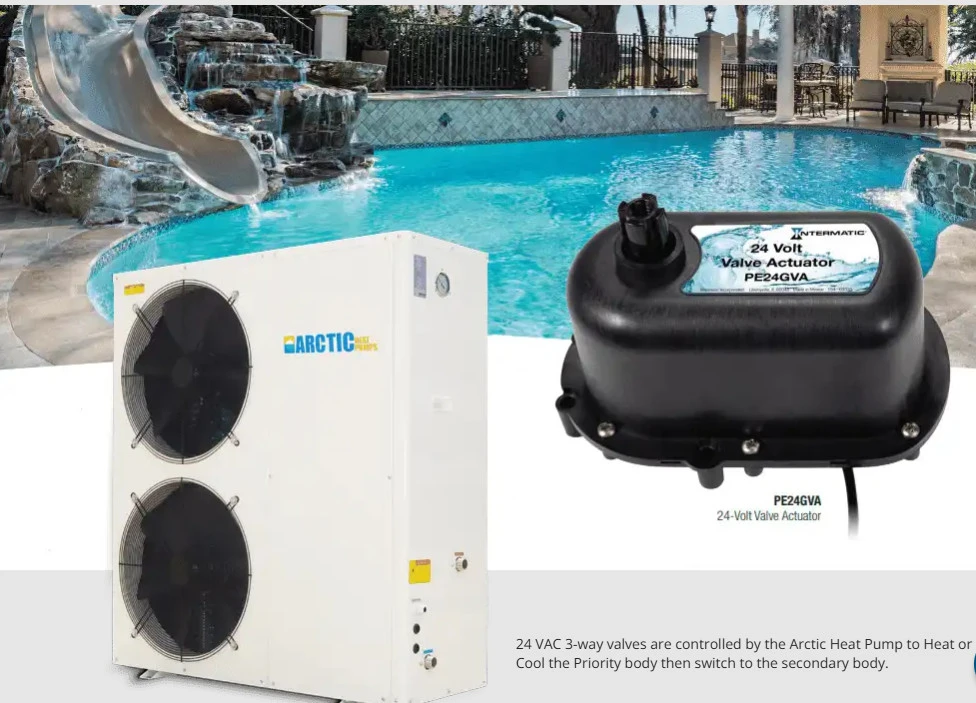
When winter temperatures plummet, many homeowners assume heat pumps won’t keep up. That’s no longer true. The modern Air Source Heat Pump Cold Climate systems are engineered to deliver efficient heating even in subzero weather — and Arctic Heat Pumps is at the forefront of that change. This article explains how cold-climate air source heat pumps work, why they’re a smart investment, what to look for when choosing one, and how they compare to traditional heating systems.
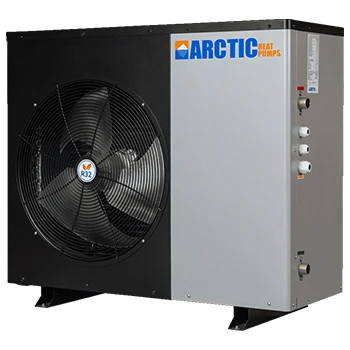
What is an Air Source Heat Pump (Cold Climate)?
An Air Source Heat Pump extracts thermal energy from outdoor air and moves it into your home. Cold-climate models are specifically designed to operate efficiently at much lower outdoor temperatures than older heat pump designs. Advances in refrigerants, compressors, and defrost systems mean these units can provide reliable heating in regions previously considered too cold for heat pumps.
Why Choose an Air Source Heat Pump Cold Climate?
There are several compelling reasons:
- Efficiency & Lower Energy Bills: Cold-climate heat pumps deliver more heat energy than the electrical energy they consume. This results in much lower operating costs compared to electric resistance and often better seasonal efficiency than fossil-fuel boilers.
- Reduced Carbon Footprint: Using ambient air as the energy source reduces fossil fuel consumption and associated emissions.
- Flexible Fuel Options: Heat pumps can be paired with existing systems (hybrid setups) or used as a full replacement, reducing fuel dependencies.
- Year-Round Use: Many models provide both heating and cooling, giving you a single system for all seasons.
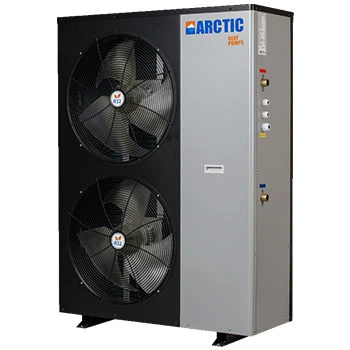
How Cold-Climate Models Differ
Cold-climate heat pumps include design and component upgrades that let them work when traditional heat pumps would struggle:
- Enhanced Compressors: Optimized for low-temperature operation.
- Improved Refrigerants: Designed to transfer heat efficiently at low temperatures.
- Advanced Defrost Control: Minimizes energy loss during defrost cycles.
- Variable-Speed Technology: Allows the unit to modulate output continuously for better efficiency and comfort.
Performance: What to Expect
Manufacturers now publish a Cold Climate rating or low-temperature Coefficient of Performance (COP). Practical takeaways:
- At moderate cold (-5ºC to -15ºC) many cold-climate heat pumps still achieve COPs of 2.5–3.5 — meaning they produce 2.5–3.5x more heat energy than electricity consumed.
- Even at -20ºC some modern units continue to operate effectively, though output declines compared to milder temperatures.
- For extremely cold days, a well-designed system uses a backup or hybrid heater (e.g., gas furnace or electric backup) only when necessary.
Installation & Sizing
Proper sizing and installation are essential for reliable performance:
- Load Calculation: Have a qualified technician perform a heating load calculation (Manual J or equivalent) — undersizing leads to excessive cycling and discomfort; oversizing wastes money.
- Location & Mounting: Place the outdoor unit on elevated mounts to avoid snow burial and ensure adequate airflow.
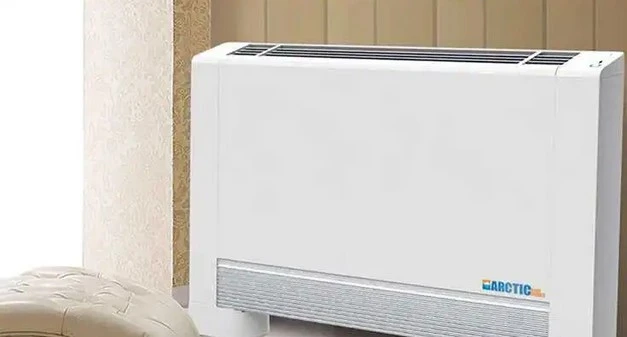
- Ductwork & Hydronics: If retrofitting, evaluate duct losses or hydronic piping; some homes benefit from upgrades to maximize heat pump efficiency.
- Hybrid Systems: In very cold regions, pairing an Air Source Heat Pump For Cold Climates with a gas or oil furnace provides consistent comfort and optimal efficiency.
Cost & Incentives
Upfront cost is higher than some conventional systems, but:
- Lower operational costs often produce attractive payback periods.
- Many regions offer incentives, tax credits, or rebates for installing energy-efficient heat pumps — check local programs.
- Long-term value includes reduced maintenance, fewer fuel deliveries, and improved home comfort.
Maintenance Tips
Simple maintenance keeps performance high:
- Clean or replace filters regularly.
- Keep outdoor unit free from snow, ice, and debris.
- Schedule annual professional checks for refrigerant level, defrost controls, and electrical connections.
- Ensure clear airflow around the unit (no shrubs, fences, or snow drifts).
Advantages vs. Traditional Systems
- Vs. Electric Resistance Heating: Cold-climate air source heat pumps are dramatically more efficient.
- Vs. Gas/Oil Furnaces: Heat pumps can be more efficient and easier to maintain; if electricity is low-carbon, heat pumps offer big emissions advantages.
- Vs. Ground Source Heat Pumps: Ground source systems are efficient but costlier to install; air-source cold-climate models trade some efficiency for much lower installation costs and comparable lifetime savings in many situations.
Real-World Applications
Cold climate heat pumps are now common in:
- Northern single-family homes
- Multifamily buildings with updated ductwork
- Renovations transitioning from fossil fuel to electric heating
- Hybrid systems where a heat pump handles most heating and an auxiliary system covers extremes
Why Arctic Heat Pumps?
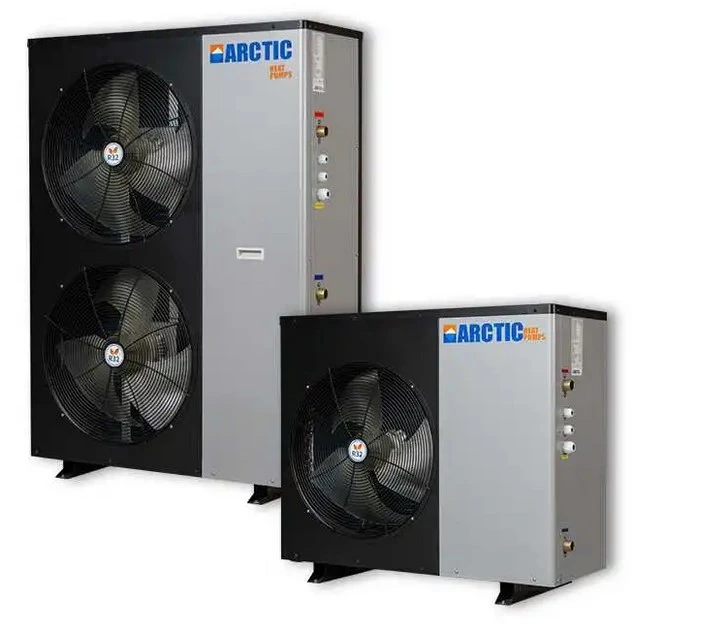
Arctic Heat Pumps focuses on cold-climate performance with rigorous testing, long warranty options, and local support. Their units are engineered to keep homes comfortable with minimal energy use down to extremely low external temperatures.
FAQs
Q: Will a cold-climate heat pump work in my -20ºC region?
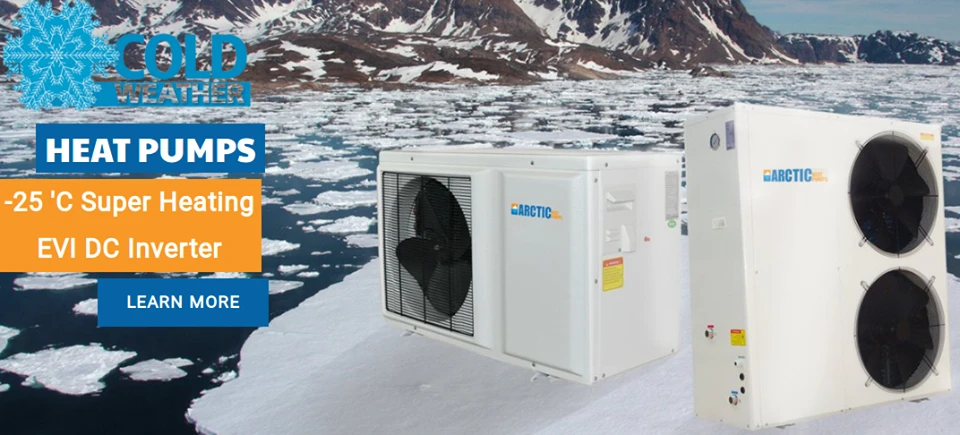
A: Many modern cold-climate models operate down to -25ºC or lower, but performance decreases. Hybrid systems or backups are recommended for the coldest locations.
Q: How much can I save on heating bills?
A: Savings depend on your current system and local electricity prices. Typical savings vs. electric resistance or oil heating are often 30–60%.
Q: Do I need to replace my whole heating system?
A: Not necessarily. Many homes use a heat pump as the primary heat source and keep an existing furnace as backup (hybrid system).
Q: How noisy are these units?
A: Cold-climate models use quieter variable-speed compressors and improved fans. Proper siting also reduces perceived noise.
Q: What maintenance does an Air Source Heat Pump require?
A: Regular filter changes, outdoor unit clearance, and an annual service check by a technician are the basics.
Q: Are there government incentives for installing cold-climate heat pumps?
A: Frequently yes—check local, state/provincial, and national programs for rebates or tax credits.
Conclusion
If you live in a chilly region but want efficient, lower-carbon, year-round climate control, an Air Source Heat Pump Cold Climate system from Arctic Heat Pumps is an excellent option. With improved low-temperature performance, reliable defrosting, and intelligent controls, cold-climate heat pumps are a practical replacement for many traditional heating systems. Proper sizing, professional installation, and regular maintenance will ensure you get the most comfort and the best energy savings.



























Sign in to leave a comment.