

Science is one of the most important subjects for children to learn early on. But how can educators and parents make complex scientific ideas exciting and easy to understand? One proven method is through elementary science books and learning science books that are specifically designed to engage young minds.
These books go beyond textbooks by combining illustrations, fun facts, and stories to make science feel like an adventure. In this article, we’ll explore what makes these books so powerful, how they help kids learn, and how to choose the right one.
What Are Elementary Science Books?
Elementary science books are educational resources aimed at students in kindergarten through fifth grade. They introduce basic scientific concepts in a fun, age-appropriate, and often interactive way. These books often cover subjects like:
- Earth science
- Weather and climate
- Life cycles of plants and animals
- Space and the solar system
- Matter, energy, and motion
Many of these books use storytelling, colorful illustrations, and activities to make the learning experience enjoyable.
How Do Learning Science Books Help Children Understand Science?
Children absorb information more effectively when they’re engaged and entertained. That’s why learning science books are so effective—they combine entertainment with education. Here's how they help:
- Visual Learning: Children respond well to pictures and diagrams. Science books use these visuals to show things like the water cycle, plant growth, or phases of the moon.
- Simple Language: These books explain scientific terms and processes in ways that are easy for children to grasp.
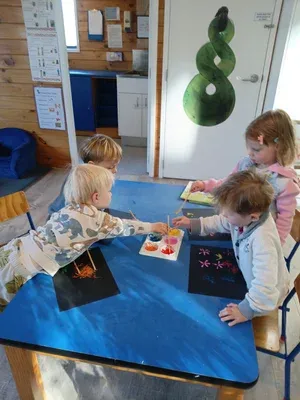
- Hands-On Activities: Many science books include experiments or interactive challenges to reinforce concepts through real-world application.
- Storytelling: When a science concept is turned into a story, such as a talking drop of water or a journey through space, it becomes much easier and more fun for children to remember.
Why Is Early Exposure to Science Important?
Introducing science at an early age helps develop curiosity, observation skills, and problem-solving abilities. Early science education encourages kids to ask questions like “Why is the sky blue?” or “What do plants need to grow?”—which can lead to lifelong learning.
Elementary science books provide a foundation in critical thinking and logical reasoning, setting the stage for more complex studies later on.
What Should You Look for in a Good Elementary Science Book?
Not all science books are created equal. When choosing learning science books, consider these important features:
- Age Appropriateness: The content should match the child’s reading and comprehension level.
- Engaging Format: Books with bright visuals, short chapters, and fun facts will hold a child’s attention longer.
- Interactive Elements: Look for books that include activities, quizzes, or simple experiments.
- Accurate Information: The book should present up-to-date, scientifically accurate content.
- Relatable Topics: Choose books that connect science to the child’s world—like weather, animals, or the human body.
How Can These Books Be Used in Classrooms and at Home?
Whether you're a teacher or a parent, elementary science books and learning science books are flexible tools that fit into many educational settings.
- Classroom Use: Teachers can use these books to supplement science curricula, introduce a new topic, or provide reading materials for science centers.
- Home Learning: Parents can use science books for bedtime reading, weekend learning activities, or homeschooling.
- Group Activities: Books that include science experiments or nature observations are great for small group projects or science fairs.
Are There Any Recommended Topics for Young Readers?
Yes! Some science topics work especially well in elementary-level books, including:
- Weather and Seasons – Understanding how weather changes and why seasons occur.
- Animals and Habitats – Learning about where animals live and how they survive.
- The Human Body – Discovering organs, senses, and how we stay healthy.
- The Water Cycle – Following a raindrop’s journey from sky to ground and back.
- Space and the Planets – Exploring stars, planets, and astronauts.
Choosing learning science books that explore these topics helps spark interest and curiosity about the world around us.
Where Can You Find the Best Elementary Science Books?
You can find excellent elementary science books in many places:
- Online Retailers: Websites like Amazon, Barnes & Noble, and Bookshop.org have a wide selection of science books for all age levels.
- Libraries: Public and school libraries often carry award-winning science books for children.
- Educational Publishers: Companies like Scholastic, National Geographic Kids, and DK offer high-quality, kid-friendly science books.
- Author Websites: Many children’s authors have their own websites where they share updates, activity guides, and book series focused on science.
Final Thoughts
In a time when science and technology play a huge role in everyday life, it’s essential to nurture a love for science from a young age. Elementary science books and learning science books are perfect tools to do just that. They simplify complex ideas, create memorable experiences, and make learning fun.
By giving children access to high-quality science books, we help them become curious thinkers, confident learners, and informed citizens. Whether at home or in school, the right book can be the spark that ignites a lifelong love for science.





















Sign in to leave a comment.