
When I hold a newborn’s tiny hand and watch them track a mobile, I’m not just admiring cuteness — I’m witnessing the earliest work of a brain wiring itself for the rest of life. The first thousand days and early infancy are a sensitive window where repeated, responsive interactions build the foundations for language, emotional regulation, and cognitive skills. Infant programs that prioritize warm relationships and predictable routines give babies the practice they need to grow secure attachments and early learning habits.
What high‑quality infant care does for children
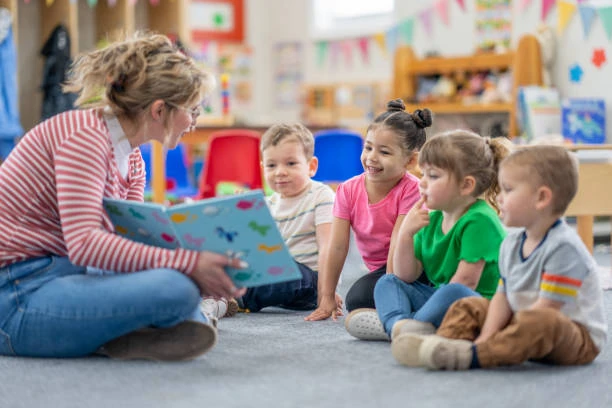
High‑quality infant programs provide consistent, responsive caregiving: caregivers who notice cues, name feelings, and respond promptly. Those interactions teach babies that the world is predictable and safe, which supports self‑regulation and social‑emotional growth. Programs that combine nurturing care with language‑rich routines — talking, singing, and reading — boost vocabulary and listening skills long before formal schooling begins.
Infants also benefit from environments designed for their developmental stage: safe spaces for tummy time, materials that invite exploration, and small group sizes so adults can be truly present. When programs maintain continuity of care and trained staff, the benefits are stronger and more likely to last.
Systemic realities parents should know
Not every program is created equal. Access, affordability, and measurable quality vary widely, and families often face limited options for reliable infant care. Public investment and workforce supports matter: better‑trained caregivers and stable staffing translate directly into better outcomes for babies and peace of mind for families.
Pro tips from a teacher who’s changed more diapers than shoes
- Visit during a routine moment (diaper change, feeding, or nap time) to see how caregivers respond to cues; warmth beats toys every time.
- Ask about caregiver ratios and turnover. Small groups and consistent adults mean more one‑on‑one attention.
- Share a one‑page “Baby Snapshot.” Include sleep cues, calming tricks, and favorite songs — it saves a thousand “What calms them?” conversations.
- Look for language moments. If caregivers narrate actions (“You’re reaching for the blue ring!”), that’s a sign of intentional learning.
A teacher’s tiny confession and encouragement
I once convinced a very serious infant to giggle by pretending the stuffed duck was a grumpy librarian. It worked because the baby trusted my voice and my silliness. That trust is the real curriculum — everything else is the garnish. If you can find a program that pairs consistent, loving adults with simple, language‑rich routines, you’ve found a place that helps a child’s brain and heart grow together.
Final teacherly whisper: prioritize relationships, continuity, and responsive care. Bring a favorite lullaby, a brave smile, and a willingness to laugh at the small, glorious messes — infants learn best when they feel known.





























Sign in to leave a comment.