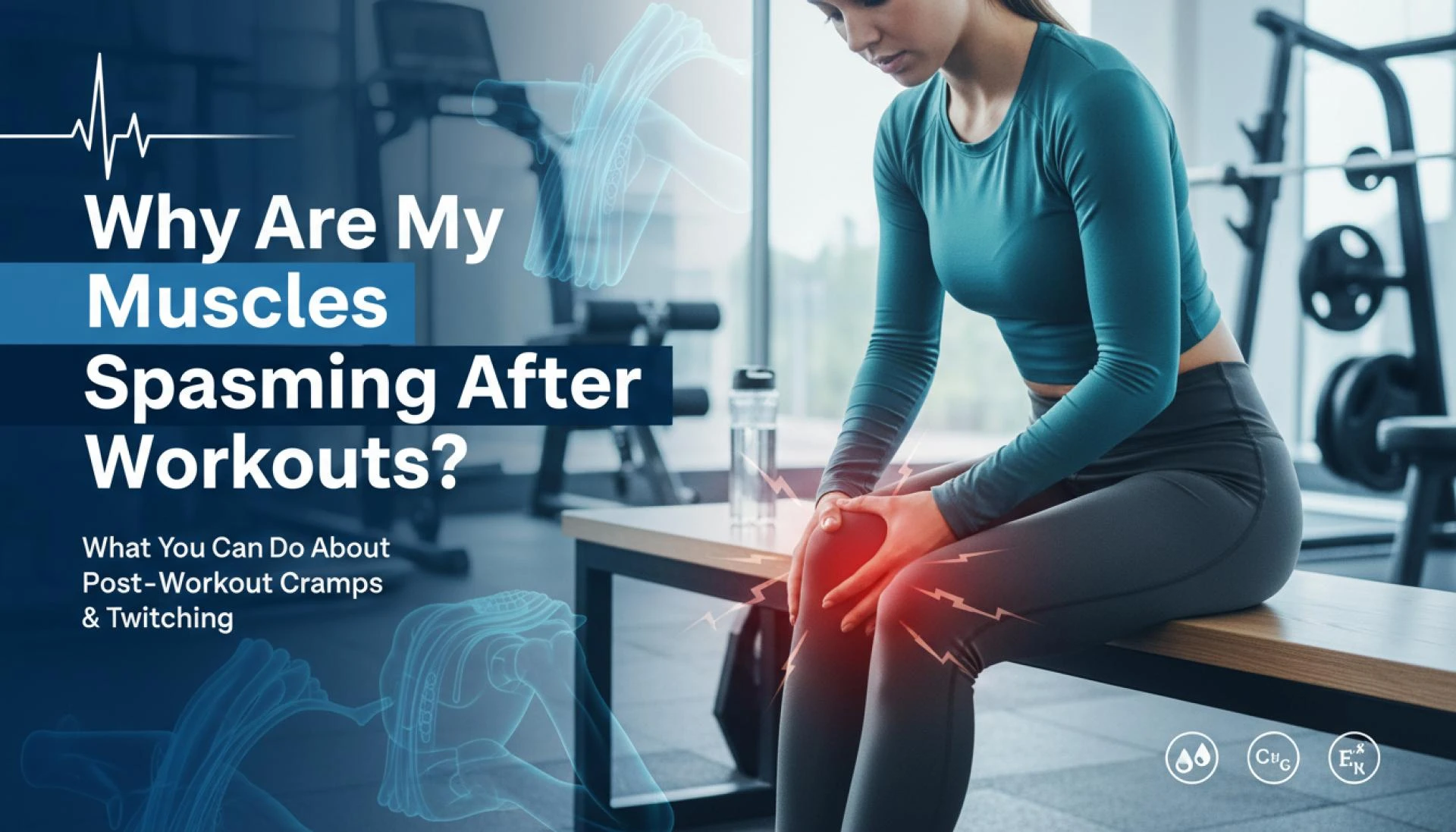
You finish a workout feeling strong and energized-until suddenly a muscle tightens, twitches, or locks up without warning. Post-workout muscle spasms are incredibly common among gym-goers, runners, cyclists, and anyone beginning or intensifying a training routine. The sensation can range from a quick “twitch” to a sharp, painful contraction that stops you in your tracks.
Despite being so common, many people don’t fully understand why these spasms happen. Are they caused by dehydration? Not enough warm-up? Low electrolytes? Too much intensity? Or something more serious? The truth is that muscle spasms after workouts can stem from several overlapping factors, and understanding them is the first step toward preventing them.
Spasms occur when a muscle contracts involuntarily and refuses to relax. During exercise, muscles fire rapidly, using electrolytes and energy stores at a high rate. When something in this cycle becomes unbalanced-fatigue, low minerals, overuse, or poor blood flow-the neuromuscular system becomes unstable, leading to those sudden contractions that athletes know all too well.
In many cases, these spasms are harmless and temporary. But in others, they may be a signal that your body needs hydration, nutrient replenishment, or better training balance. In this guide, you’ll learn the science behind muscle spasms, how to stop them quickly, and how to prevent them from happening after every workout.
What Causes Muscle Spasms After Workouts?
Post-workout muscle cramps and spasms don’t happen randomly. They’re usually your body’s way of saying, “I’ve hit my limit-something needs attention.” Below are the most common causes.
1. Muscle Fatigue & Overuse (The #1 Cause)
When you push your muscles into fatigue during strength training, cardio, or high-intensity intervals, they can become overstimulated. The nervous system misfires, sending signals for the muscle to contract-even after you’ve stopped exercising. According to the Cleveland Clinic, muscle fatigue is the top physiological cause of exercise-related cramps.
Fatigue makes the muscle less capable of relaxing, which leads to those painful post-workout contractions.
2. Dehydration & Electrolyte Imbalance
Sweating heavily during workouts depletes minerals like:-
- Sodium
- Magnesium
- Potassium
- Calcium
All of these electrolytes are essential for normal muscle contraction and relaxation. When levels drop, the nerves supplying the muscle become unstable, causing dehydration muscle spasms.
The Mayo Clinic notes that inadequate fluids and minerals significantly increase the risk of cramping after exercise.
3. Poor Warm-Up or Sudden Intensity Change
If you go from zero activity to heavy lifting or fast sprinting, your muscles tense up without proper blood flow. Tight or “cold” muscles are much more prone to spasms and cramps during and after exercise.
4. Blood Flow Restriction During Training
High-repetition training, long cycling sessions, or heavy sets can temporarily reduce oxygen supply to overworked muscles. When this happens, the muscle becomes irritated and begins contracting involuntarily.
5. Lactic Acid Buildup & Metabolic Stress
Lactic acid is often blamed for muscle spasms, but it’s more accurate to say that metabolic stress contributes to muscle twitches after exercise, not deep cramping. Still, elevated acidity within the muscle can cause short-lasting spasms and twitching.
6. Underlying Medical Conditions
In rare cases, repeated spasms may indicate medical issues such as:-
- Nerve compression
- Mineral deficiencies
- Medication side effects
- Thyroid issues
- Circulatory problems
If spasms occur at rest or persist for weeks, it’s worth speaking with a healthcare provider.
Why Do Muscles Twitch After Exercise?
Post-workout muscle twitching can feel strange - especially when your leg, arm, or back keeps pulsing long after you’ve left the gym. These small, rapid movements are known as fasciculations, and in most cases, they’re completely harmless. After intense exercise, your muscles and nerves enter a temporary “recovery confusion,” where the communication between them becomes slightly unstable.
During training, your nerves fire repeatedly to keep your muscles contracting. Once the workout ends, that rapid electrical activity does not shut off instantly. Instead, the nerves may continue sending tiny signals that cause a series of involuntary twitches. This is why why muscles twitch after exercise is a top searched phrase-it happens to beginners and advanced athletes alike.
Twitching typically resolves within a few minutes to a few hours. But when hydration or minerals are low, or your body is overly fatigued, the twitching can last longer and pair with cramps. If twitching happens every time you work out or comes with weakness, numbness, or pain, then it should be evaluated by a medical professional or physiotherapist.
When Muscle Spasms Mean Something More Serious
While most muscle spasms after workout episodes are harmless, some red flags shouldn’t be ignored. Spasms may indicate something more serious if:-
- They occur frequently, even without exercise.
- They are accompanied by numbness or tingling, which can signal nerve compression.
- The muscle feels weak, or you struggle to move the affected area.
- Spasms strike at rest or during sleep, particularly if they wake you up.
- They affect the same muscle repeatedly over several weeks.
In such cases, the underlying cause may involve nerve irritation (like sciatica), electrolyte deficiencies, circulation issues, or even side effects from medications. Chronic or severe spasms should always be discussed with a clinician to ensure you're not missing a deeper issue.
Immediate Relief – How to Stop Muscle Spasms Fast
When a spasm strikes suddenly, your goal is to calm the muscle and restore proper nerve signaling. Here’s how to stop a muscle spasm quickly and effectively:-
1. Hydrate & Replenish Electrolytes Immediately
When dehydration or electrolyte loss is the cause, rehydrating works surprisingly fast. Drinks containing sodium, magnesium, potassium, or calcium help stabilize nerve activity and relax the muscle. Coconut water, electrolyte powders, and sports drinks can all help restore balance quickly.
2. Perform Gentle Stretching & Light Movement
Never forcefully stretch a cramping muscle. Instead, move into gradual, controlled stretches:-
- For calf cramps → gently pull toes upward
- For hamstring cramps → slow forward bend
- For back spasms → child’s pose or gentle rotation
Movement improves blood flow and signals the nervous system to relax.
3. Use Heat or Ice Therapy
- Heat helps loosen tight, fatigued muscles.
- Ice reduces inflammation if the area feels swollen or tender.
Most athletes alternate both for deeper relief.
4. Eat Magnesium-Rich Foods or Consider Supplements
Magnesium plays a major role in muscle relaxation. Foods like bananas, nuts, dark chocolate, and leafy greens can help. If you frequently get cramps, a magnesium supplement (taken under professional guidance) may reduce frequency.
5. Consider Over-the-Counter Options for Pain Relief
If the spasm is severe or persistent, OTC pain relievers may help ease associated tension.
In later parts of the article, we will also discuss when muscle relaxants can be helpful for acute spasms.
Long-Term Prevention – How to Avoid Post-Workout Muscle Spasms
Muscle spasms don’t have to be an inevitable part of your fitness routine. With the right habits, you can dramatically reduce how often they happen-or prevent them entirely. Most long-term solutions revolve around hydration, balanced training, proper warm-ups, and supporting your body with the minerals and recovery practices it needs.
1. Commit to a Proper Warm-Up & Cool-Down Routine
One of the leading causes of post-workout spasms is skipping the warm-up. Muscles that aren’t prepared for exertion tend to tighten quickly, especially during strength training and sprints. A proper warm-up (dynamic stretching, light cardio, and mobility drills) increases blood flow, warms the tissue, and reduces nervous-system misfires.
Equally important is your cool-down. Bringing your heart rate down gradually and stretching your major muscle groups helps prevent spasms caused by sudden drops in blood flow. Consistency in warm-up and cool-down routines keeps muscles supple and far less prone to involuntary contractions.
2. Build Strength Gradually to Prevent Fatigue Spasms
The more conditioned a muscle is, the less likely it is to spasm. When people jump too quickly into heavy lifting, long-distance running, or high-volume training, the muscles fatigue faster-and fatigue is the #1 trigger for spasms. Structured progression (adding weight, reps, or distance slowly) allows your neuromuscular system to adapt at a healthy pace.
If you’re new to a certain exercise, use the 10% rule:- increase your training volume or intensity by no more than 10% per week. This reduces the risk of overloading your muscle fibers and overworking your nervous system.
3. Balance Your Daily Electrolytes & Nutrients
Electrolyte depletion is a major driver of exercise-induced cramps. Ensuring you get enough:-
- Magnesium
- Potassium
- Calcium
- Sodium
…can dramatically reduce how often spasms happen. Athletes and regular gym-goers may need more than the general population, especially in warmer climates or high-sweat training environments. Adding electrolyte-rich foods, mineral supplements (as advised by a health professional), or electrolyte drinks to your routine supports proper muscle function.
4. Hydration Strategies That Actually Work
Drinking only water isn’t always enough. For moderate-to-high sweat workouts, a combination of water + electrolytes works better than water alone. Staying hydrated throughout the day-not just around workouts-helps keep your muscles firing correctly.
A good rule of thumb:-
- Drink 500 ml of water 1–2 hours before exercise.
- Sip 200–300 ml every 15–20 minutes during intense workouts.
- Replenish fluids and salts afterward, especially if sweat loss was significant.
5. Listen to Your Body & Respect Recovery Time
Some spasms occur simply because muscles haven’t recovered fully from previous sessions. Training without rest days, poor sleep, or insufficient protein can compound muscle fatigue. If spasms are frequent, it may be a sign that your training schedule needs a slight cooldown or better recovery practices like massage therapy, foam rolling, contrast showers, or sleep optimization.
Can Muscle Relaxants Help With Severe Spasms?
While most post-workout spasms resolve with hydration, stretching, and recovery, more severe or persistent spasms may benefit from short-term muscle relaxant use. These medications target the central nervous system, reducing involuntary contractions and helping the muscle relax.
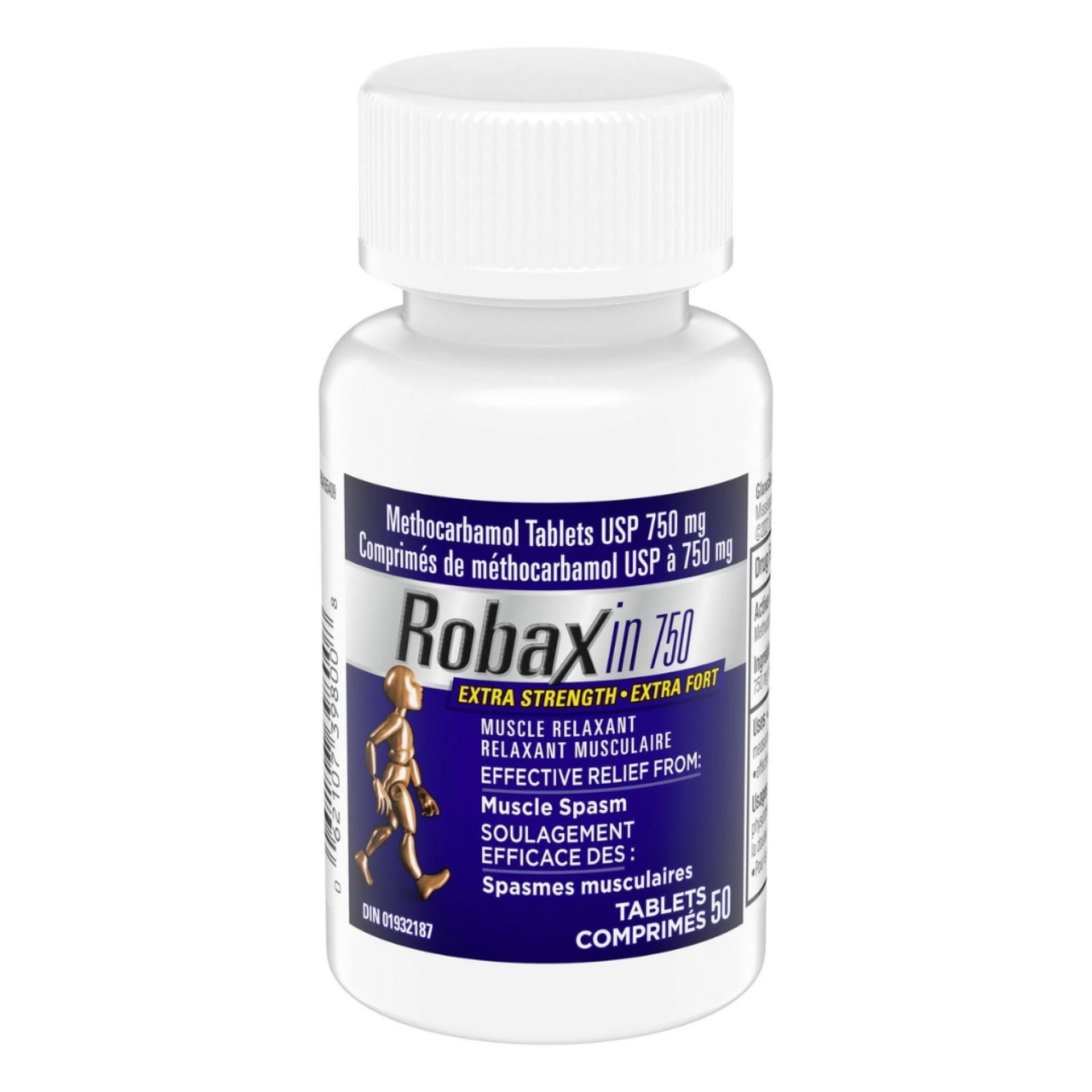
One commonly used option in Canada is methocarbamol, the active ingredient in Robaxin 750 mg. It’s often recommended for acute muscle spasms associated with injury, overexertion, or intense training. Muscle relaxants should not be the first line of treatment for simple cramps, but they can be a valuable short-term tool when spasms interfere with sleep, mobility, or recovery.
Before using any muscle relaxant, you should speak with a pharmacist or healthcare provider to determine whether it’s appropriate based on your symptoms, medications, and health history.
If you’d like to explore this option, you can find a pharmacist-reviewed, Canadian-sourced product here:-
Robaxin 750 Extra Strength Muscle Relaxant Tablets
https:-//www.pharmacy24.ca/product/robaxin-750-extra-strength-muscle-relaxant-tablets/
FAQs
Q1:- Why are my muscles spasming after workouts?
Most post-workout spasms are caused by muscle fatigue, electrolyte imbalance, dehydration, or overuse. When muscles become overstimulated or run low on essential minerals, they contract involuntarily. Heavy lifting, long cardio sessions, and high-intensity intervals can all increase the likelihood of spasms.
Q2:- How do I stop muscle spasms immediately?
Begin with slow stretching and controlled movement to relax the contracted muscle. Hydrate with electrolytes, use heat to loosen tight tissue, or apply ice if there’s swelling. Light walking or mobility work often helps restore normal nerve-muscle communication.
Q3:- Does dehydration cause muscle spasms after exercise?
Yes. Sweating causes a loss of sodium, potassium, and magnesium-minerals your muscles need to contract and relax properly. Low electrolyte levels are one of the fastest ways to trigger post-workout muscle cramps.
Q4:- What deficiencies cause muscle spasms after exercise?
Low magnesium, potassium, calcium, and sometimes sodium are common contributors. People who sweat heavily or train frequently may need more of these minerals than the average person.
Q5:- When should I worry about muscle spasms?
If spasms:-
- Occur frequently
- Come with numbness, tingling, or weakness
- Happen during sleep
- Affect the same area repeatedly
…you should speak with a clinician or physiotherapist. Persistent spasms may indicate nerve compression, mineral imbalance, or another underlying issue.
Q6:- Are muscle relaxants helpful for workout-related muscle spasms?
They can be helpful in short-term, more severe cases, especially when spasms interfere with sleep or joint movement. Medications like methocarbamol (Robaxin 750 mg) are sometimes used under pharmacist or physician guidance for acute muscle spasms. They should not replace hydration, stretching, or proper recovery-but they can support it when symptoms are intense.
If you’re considering this option, speak with a pharmacist and review a trusted Canadian product here:-
https:-//www.pharmacy24.ca/product/robaxin-750-extra-strength-muscle-relaxant-tablets/
Conclusion
Muscle spasms after workouts can be painful, frustrating, and sometimes even alarming. But in most cases, they’re your body’s way of signaling fatigue, dehydration, or mineral imbalance. By warming up properly, staying hydrated, gradually building training intensity, and supporting your nervous system with adequate nutrients, you can significantly reduce how often spasms occur.
For athletes and active individuals, learning to read the body’s early warning signs is key. Quick relief methods like stretching, electrolyte replenishment, and gentle movement work well for most people. But if spasms become severe or interfere with daily activities, discussing your symptoms with a healthcare professional is the right next step. Some cases may benefit from short-term muscle relaxant support, especially during acute episodes of tightness or strain.
If your spasms are affecting your recovery or sleep and you’re exploring stronger relief options, you can find pharmacist-verified Robaxin 750 mg here:-
https:-//www.pharmacy24.ca/product/robaxin-750-extra-strength-muscle-relaxant-tablets/
Supporting your body with the right tools-hydration, recovery, proper training, and expert guidance-helps ensure that every workout brings progress, not pain.



























Sign in to leave a comment.