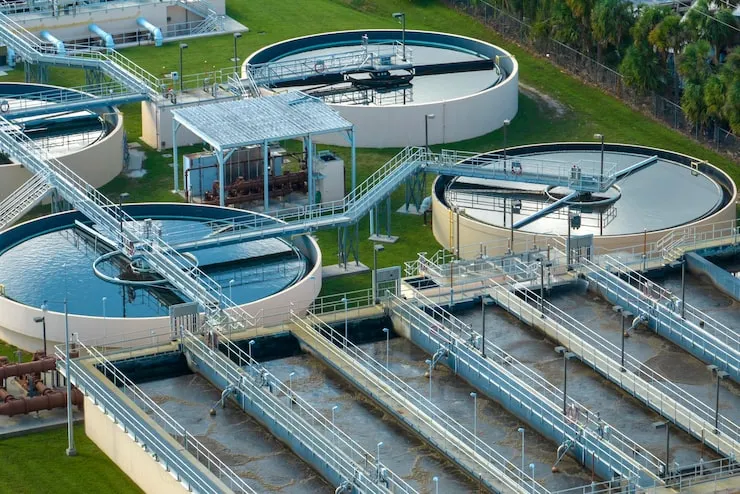

More water resources are being used by communities and enterprises than ever before. In fact, wastewater treatment trends continue to change with new equipment, smarter monitoring and more effective treatment methods. These modifications are helping facilities to improve their performance. Also preparing them for future environmental and operational issues.
Modern treatment systems are not focused on only completing discharge standards. They are also designed to increase energy efficiency, recover precious materials and contribute to long-term sustainability.
Environmental Expectations Continue to Rise
The water quality regulations have been becoming more strict over the years.
Treatment plants can remove toxins more effectively. While safeguarding rivers, lakes and groundwater. Many towns are also attempting to decrease fertilizer releases since excess nitrogen and phosphorus can harm aquatic ecosystems.
Meeting these objectives often requires facilities to improve existing processes. Also invest in newer treatment options.
Aging Infrastructure Is Driving Modernization
Many wastewater treatment plants have been working for decades.
Older systems may still work but they weren’t designed to meet today’s treatment demands or the expanding population.
The modernization initiatives usually aim at increasing reliability through equipment upgrading.
Typical enhancements include :
- Advanced screening systems
- Efficient clarifiers
- Improved sludge collection equipment
- Automated process controls
- Energy-efficient pumping systems
Old equipment needs less maintenance and provides better, more consistent plant performance.
Automation Is Improving Daily Operations
Operators handle a lot of information every day.
With the complexity of treatment facilities, it is hard to monitor manually.
Today’s automation systems give continuous operating data that enables plant operators to adapt more swiftly to changing conditions.
Real-Time Monitoring Supports Better Decisions
Important operating conditions are monitored by sensors located throughout a treatment plant.
These can include:
- Flow rates
- Dissolved oxygen
- Water levels
- Pump performance
- Equipment status
Operators with access to current operating information can see changes before they become significant operational problems.
Process Control Improves Efficiency
Automation also enables treatment equipment to adjust to fluctuating plant conditions.
Control systems can change operating settings based on incoming waste water characteristics.
This makes therapy more steady and saves wasted energy.
New Technologies Expand Treatment Capabilities
Advances in wastewater treatment technology continue to improve the removal of impurities.
Many institutions are now considering treatment solutions that improve efficiency without needing large increases in plant space.
Examples are advanced filtration technologies, enhanced biological treatment techniques, and better solids handling equipment.
Technology also helps institutions to obtain more operating data, which aids in long-term planning.
Energy Efficiency Has Become a Major Priority
Wastewater treatment requires significant energy.
Reducing power use can reduce operating expenses and meet environmental objectives.
These days many institutions are looking at equipment on the basis of both treatment performance and energy efficiency.
Energy savings improvements may include:
- High-efficiency motors
- Variable frequency drives
- Optimized aeration systems
- Modern pumping equipment
- Automated operating controls
Even modest gains in efficiency might add up to big savings over the lifetime of a treatment center.
Equipment Selection Requires Careful Evaluation
Every treatment plant is unique.
The selection of equipment is based on flow rates, the properties of the effluent, regulatory requirements and available space.
It is important to understand the existing needs and future expansion plans in selecting the best solution.
When organizations are considering how to evaluate wastewater treatment manufacturers, they will typically look at technical competence, equipment dependability, service capabilities, installation experience and long-term maintenance support before committing to major infrastructure investments.
Resource Recovery Is Shaping Future Facilities
Wastewater is no longer seen as something that has to be treated before it is discharged.
Many treatment centers are looking at opportunities to recover vital resources during treatment. Treatment operations can provide electricity, reclaimed water and biosolids which can help to more sustainable plant management.
This larger strategy serves environmental goals while boosting the long-term value of treatment infrastructure.
Climate Challenges Influence System Design
Changing weather patterns have introduced new problems to wastewater utilities operations.
Short-term increase of influent flow is caused by heavy rainfall. Prolonged dry conditions may also influence system performance and water management measures.
These factors are now being factored in by engineers when designing new facilities or expanding current plants. Variable flow conditions are more easily managed by flexible treatment systems, while still achieving treatment performance.
FAQs
Why are wastewater treatment trends changing so quickly?
Utilities are modernizing their facilities as growing populations, increasing environmental restrictions, aged infrastructure and breakthroughs in treatment equipment encourage modernization. These variables still affect the design and operation of wastewater systems.
What role does technology play in wastewater treatment?
Modern wastewater treatment technology helps to improve process control, increase treatment efficiency, and offer regulatory compliance. Also provide operators with real-time information for better decision-making.
Why is choosing the right equipment manufacturer important?
The quality of the equipment, the technical support and the service experience and the long-term reliability all impact the operation of a wastewater treatment facility. A careful review will help to ensure that the equipment picked will fulfill not just the operating needs of today but the plans for expansion in the future.
Conclusion
As cities look for better ways to safeguard water resources. Wastewater treatment continues to evolve to be more efficient, reliable and sustainable. The latest wastewater treatment trends are more attention to automation. Also include resource recovery, energy efficiency and resilient infrastructure. That can meet future demands. For organizations questioning how to evaluate wastewater treatment manufacturers, it’s important to get above equipment specs and look to technical competence, long-term support, and proven experience to help ensure reliable performance throughout the life of the treatment system.






















Sign in to leave a comment.