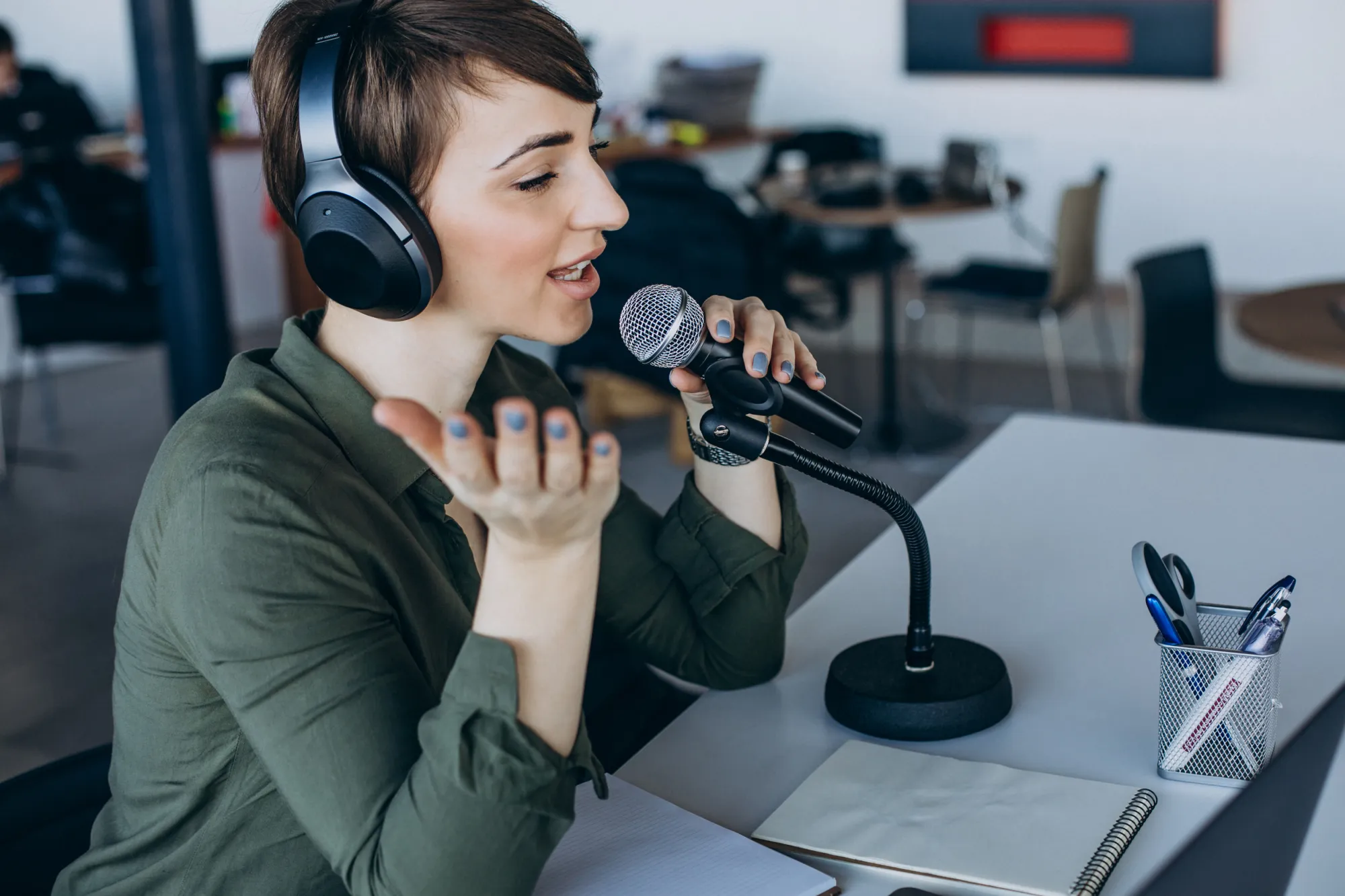
It was episode three of my friend Daniels podcast.
He had spent two weeks researching his topic written a script interviewed a really interesting guest and hit record. The conversation was great. Real honest insightful. The kind of episode that should have gotten people talking.
Nobody listened past the four-minute mark.
The reason? His microphone was picking up the hum of his laptop fan. There was an echo from his bare-walled bedroom. Every time his guest laughed the audio. Distorted. The content was great. The audio quality was not.. Listeners as it turns out have a very short patience for bad sound.
Daniels story is not unusual. It plays out every day across thousands of new podcasts that launch with passion and die quietly because of something that feels fixable but gets ignored: audio quality.
Your Listeners' Ears Are More Honest Than Their Words
Here is something most new podcasters do not fully understand. People will not always tell you that your audio is bad. They will simply stop listening. They will not leave a review saying "the hum was distracting." They will just never come back.
Research in audio psychology consistently shows that poor sound quality causes listeners to think the speaker is credible, less knowledgeable and less trustworthy. Even when the content itself is strong. It is called the "acoustic credibility effect ". It is real. A tinny echo-filled recording signals to the brain: this person is not serious about what they are doing.
Think about the time you put on a podcast while driving or doing dishes. If the audio felt rough how long before you switched to something ? Probably not very long.
Now think about the podcasts you keep returning to. Chances are the audio feels clean, warm and easy to listen to. You might not consciously notice the production quality.. That is exactly the point. Good audio disappears. Bad audio stays. Center.
The First 90 Seconds Rule Everything
Podcast analytics tell a story. The biggest listener drop-off happens in the 90 seconds. If someone presses play and immediately hears background hiss room echo or uneven volume levels between host and guest they are gone. You never get a chance at a first listen.
This is particularly brutal for shows that are still trying to build an audience. You may have spent hours on your episode. A listener gives you 90 seconds. Those 90 seconds are entirely shaped by how your audio sounds.
The content hook matters, yes.. Even the most compelling opening line loses its power when delivered through a bad microphone into an untreated room.
What "Good" Audio Actually Means
There is sometimes confusion about what good podcast audio means. It does not mean studio-perfect, over-produced or artificially polished. Listeners do not want a robot reading to them in a chamber. They want warmth, clarity and presence.
Good audio means your voice sounds natural and full not thin or hollow. It means background noise is absent or low enough to be invisible. It means when two people are speaking both voices are at a comfortable level. It means the listener can focus entirely on what you're saying without their brain working overtime to process the sound.
These things do not happen by accident. They come from microphone choice, room acoustics, recording environment and the tools used in post-production.
The Gap Between "I Can Hear It" and "It's Good"
One of the most common mistakes podcasters make early on is conflating audibility with quality. Yes your laptop microphone technically captures your voice. People can technically hear you.. There is an enormous gap between audible and listenable.
A recording made in a kitchen with a built-in laptop mic will capture your voice your refrigerators compressor, the reverb from hard floors and walls and the noise floor of the mic itself. You can hear the words. You just cannot enjoy them for an hour.
Fixing this does not always require a budget. It requires understanding the basics: a directional microphone, a quiet and acoustically soft recording space and some basic gain staging. The difference a proper setup makes is something you hear immediately.. So do your listeners.
Audio Quality Is a Form of Respect
Here is a reframe that changed how I think about this.
Investing in audio is not really about equipment or technical mastery. It is about respecting your listeners time. When someone presses play on your episode they are giving you something they cannot get back. An hour of their day. Their attention during a commute, a workout, an evening.
Delivering that experience through echo-filled audio is, in a sense telling them their time does not quite matter enough for you to fix it. Most podcasters do not mean that of course.. That is the message the audio sends.
The shows that grow. The ones with communities strong word-of-mouth and healthy listener numbers. Almost always share one thing beyond good content. They sound like they were made with care.
The Competitive Reality in 2025
There are now over five million podcasts in the world. Most of them do not survive past eight episodes. The reasons are many. Poor audio quality is consistently one of the top factors that drives early audience abandonment.
The bar has also risen. Listeners today are used to hearing produced audio. Spotify, Apple Podcasts and YouTube have all pushed production standards higher. What sounded acceptable before sounds amateur now.
If your audio quality is noticeably rough you are not just competing against shows with content. You are competing against shows that sound better.. When content quality is roughly equal listeners will pick the show that is easier, on the ears every single time.
Where to Start
If you have been putting off improving your audio because it feels complicated or expensive, the truth is that the most impactful changes are often the simplest ones. Moving your recording to a quieter room. Adding some soft furnishings to reduce echo. Learning how to set proper recording levels before you press record. Most people who figure out high quality podcast audio say the same thing afterwards — it was less complicated than they expected, and the difference was night and day.
The content you have to share deserves to be heard. Make sure the sound gives it that chance.
Frequently Asked Questions
Why is audio quality so important for podcasts?
Audio quality is crucial because poor sound can lead to listener drop-off, especially in the first 90 seconds of an episode. Listeners often perceive bad audio as a sign of unprofessionalism, impacting their willingness to engage with your content.
What are some common mistakes that new podcasters make regarding audio?
New podcasters often confuse audibility with quality, thinking that as long as their voice can be heard, the audio is good. They might use built-in laptop microphones in noisy environments, leading to recordings filled with background noise and distortion.
How can I improve my podcast's audio without spending a lot of money?
Improving your podcast audio can be done affordably by recording in a quieter room and adding soft furnishings to absorb sound. Additionally, investing in a decent directional microphone and learning about proper recording levels can significantly enhance your audio quality.
What does 'good audio' really mean for podcasting?
Good audio means that your voice sounds natural and full, with minimal background noise and consistent volume levels. It’s not about achieving studio perfection but creating a listening experience that feels warm and engaging.
How can I tell if my podcast audio quality is bad?
If your listeners frequently mention distractions or drop off quickly, it may indicate poor audio quality. Additionally, if you notice background noise, echoes, or uneven volume levels in your recordings, these are signs that your audio needs improvement.
What impact does poor audio quality have on my podcast's credibility?
Poor audio quality can diminish your perceived credibility and trustworthiness as a speaker. Listeners may subconsciously judge your expertise based on the clarity and professionalism of your audio, regardless of the content's value.
How can I make my podcast more appealing to listeners?
To make your podcast appealing, focus on delivering high-quality audio that enhances the listening experience. This includes using proper equipment, ensuring a quiet recording environment, and paying attention to post-production editing to eliminate distractions.





















Sign in to leave a comment.