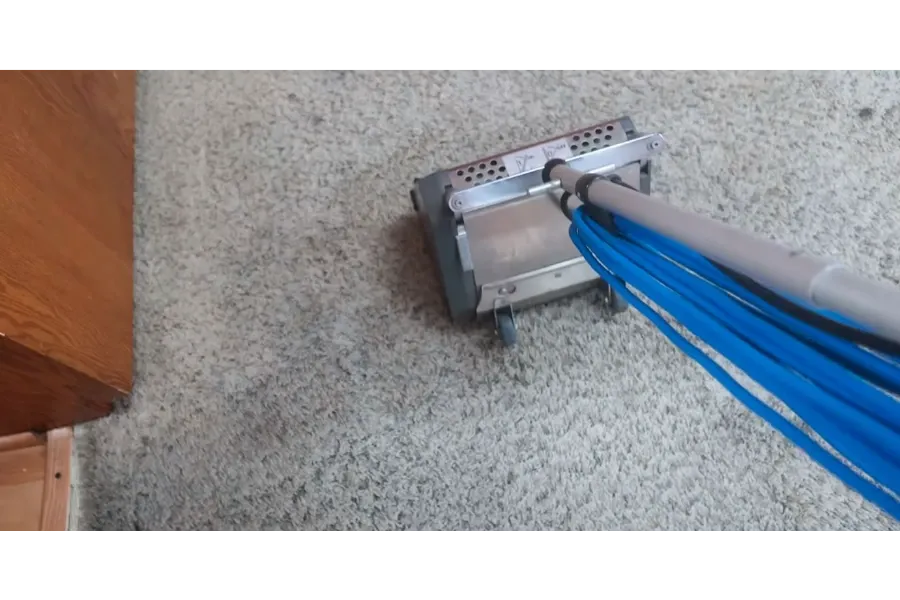

If you've lived in Central Oregon for a winter or two, you've probably noticed that your carpet doesn't behave the way it did wherever you lived before. The entryway looks permanently dingy. A faint reddish-gray tint appears near the garage door. After a smoky August, the whole house smells a little off, even with the windows closed. You vacuum, and nothing changes.
That isn't a failure of your vacuum or your housekeeping. Bend's high-desert environment puts unusual stress on carpet, and cleaning it well means understanding what's actually in the fiber.
The Hidden Culprit: Volcanic Cinder Dust
Every winter, road crews around Bend spread volcanic cinder for traction on icy streets. It works well on pavement. The trouble starts when it follows you home. Tires, boots, and paws carry it into garages and through front doors, where it breaks down into a fine, abrasive powder.
Unlike ordinary household dirt, cinder grit is sharp. It works its way down into the pile and acts like tiny sandpaper every time someone walks across the carpet. Over a season or two, it can dull the fibers and leave a tint that vacuuming never lifts. Entryways, hallways near the garage, and stair landings take the worst of it.
This is where many carpet cleaners go wrong. Hitting abrasive grit with hot water first can turn it into a gritty slurry that settles deeper into the backing. The better approach is to lift the dry soil out first, using agitation or dry extraction, and only then bring in moisture. That one sequencing decision is the difference between a carpet that looks refreshed and one that is truly clean.
Wildfire Smoke Doesn't Leave When the Sky Clears
Central Oregon has become familiar with fire season. Even on days when the air looks fine, particulate from regional fires can drift indoors and settle into soft surfaces. Carpet, with its enormous surface area, holds onto that residue far longer than hard flooring does.
The result is a stale, smoky smell that can linger for weeks or months after the outdoor air quality improves. Air fresheners only mask it. Removing it takes a cleaning process where odor treatment happens early, during the pre-spray and dwell stage, rather than being spritzed on at the end as an afterthought.
Pollen, Pets, and Everything Else
Winter cinder and summer smoke get most of the attention, but the calendar doesn't let up. Juniper pollen is a major presence in the early part of the year, and it settles into fabric and carpet where it can keep triggering allergy symptoms indoors. Add pets, muddy trail shoes, and the outdoorsy lifestyle that draws people to Bend in the first place, and carpet takes a beating year-round.
A practical rule: most households in this area benefit from a professional cleaning every 6 to 12 months. A late-winter clean removes the season's cinder before it can do lasting damage, and homes with allergy sufferers or pets may want to go closer to the 6-month end.
What a Good Carpet Cleaning Looks Like Here
Not every cleaning is equal, and a few markers separate a thorough job from a quick one:
- An inspection first. Fiber type, soil level, and moisture risk should determine the method, not a one-size-fits-all routine.
- Dry-soil pre-treatment. Abrasive grit comes out before any water goes in.
- Targeted treatment for problem spots. Pet stains, smoke odor, and set-in spots deserve their own chemistry and dwell time, not a quick pass with the main wand.
- Method matched to your situation. Hot water extraction suits heavily soiled carpet. Low-moisture cleaning works for lighter soil or when you need fast drying.
- A final walkthrough. You should see the results before the crew leaves.
Drying Time: Bend Has an Advantage
One of the most common worries about professional cleaning is how long the carpet will stay wet. Here, the climate works in your favor. Bend's dry air speeds up drying considerably compared with humid regions. Low-moisture cleaning typically dries in a few hours, and hot water extraction generally takes somewhere in the range of 4 to 8 hours. The real risk in a dry climate isn't slow drying. It's over-wetting from a cleaner using too much water. A good technician manages both moisture and airflow so the carpet dries evenly.
A Note for Vacation Rental Hosts
Short-term rental owners in Bend and Sunriver face a unique squeeze. The window between checkout and the next check-in can be just a few hours, and one guest review mentioning a musty smell or a stained carpet can cost far more than a cleaning appointment. For hosts, the key requirements are speed, fast drying, and reliable documentation. Low-moisture methods and same-day scheduling make it possible to turn a property around without losing a booking night, and a dated invoice for each visit is handy for property records.
For Renters and Landlords: Documentation Matters
Move-out season often brings carpet-cleaning disputes. Tenants worry about deposit deductions, and landlords want to know the unit was properly handled. In either case, a dated, itemized invoice that lists the method used and the rooms cleaned can clear up a lot of confusion. Oregon's rules around deposits and cleaning charges have specific conditions (ORS 90.300 is the statute to look up), so if you're in a dispute, it's worth reading the law or consulting a tenant or landlord resource. Either way, a clear paper trail only helps.
What Does It Cost?
Pricing varies, but a useful benchmark for Bend is roughly $35 to $55 per room, or about $150 to $300 for a typical three-bedroom home. Heavily soiled carpet, such as entryways loaded with cinder or homes needing smoke-odor treatment, may cost a bit more because of the extra pre-treatment. Be wary of any company that won't discuss pricing until a technician is standing in your living room. Upfront numbers are a sign of a business that's confident in its work.
Why Carpet Shield Bend Is the Go-To Choice
Plenty of companies can run a machine across your carpet. What sets Carpet Shield Bend apart is that the whole process is built around Bend itself, not borrowed from a national script.
Local, not remote. Carpet Shield Bend is based at 671 NE Greenwood Ave and has served Central Oregon since 2019. The team deals with the same cinder, smoke, and pollen cycles you do, so they know what those conditions do to carpet and how to counter them.
A process designed for high-desert problems. The seven-step approach starts with inspection and a dry-soil pre-treatment pass to lift abrasive cinder grit before any moisture is applied. Smoke odor is treated early with a targeted formula, and pet stains get individual attention.
Fast scheduling. Same-day and next-day appointments are available depending on the schedule, which matters for rental hosts, real estate sellers, and anyone with a deadline.
Transparent pricing and documentation. Rates are shared up front, and every job comes with a dated invoice, useful for rental turnover logs and move-out records.
Safe for the whole household. Eco-friendly, pet-safe products mean you don't have to worry about kids or animals returning to a freshly cleaned room.
Beyond carpet, Carpet Shield Bend also handles pet stain and odor removal, area rugs, upholstery, carpet repair and stretching, and tile and grout cleaning. Service extends beyond Bend to Sunriver, Redmond, Sisters, Tumalo, La Pine, and Prineville.
The Bottom Line
Bend carpet faces a mix of challenges that most of the country never sees: abrasive volcanic grit, seasonal wildfire smoke, and long pollen seasons. Cleaning it well means respecting that reality, starting dry, treating odors early, and choosing a method that fits your carpet and schedule.
If your entryway has been looking tired, your home still smells faintly of last summer's smoke, or you have a rental turnover coming up, the simplest next step is to get a quote from a team that works with these conditions every day.
Carpet Shield Bend
671 NE Greenwood Ave, Bend, OR 97701
Phone: (458) 836-1002
Open Monday through Saturday, 8:00 AM to 6:00 PM
carpetcleaningbendoregon.net
























Sign in to leave a comment.