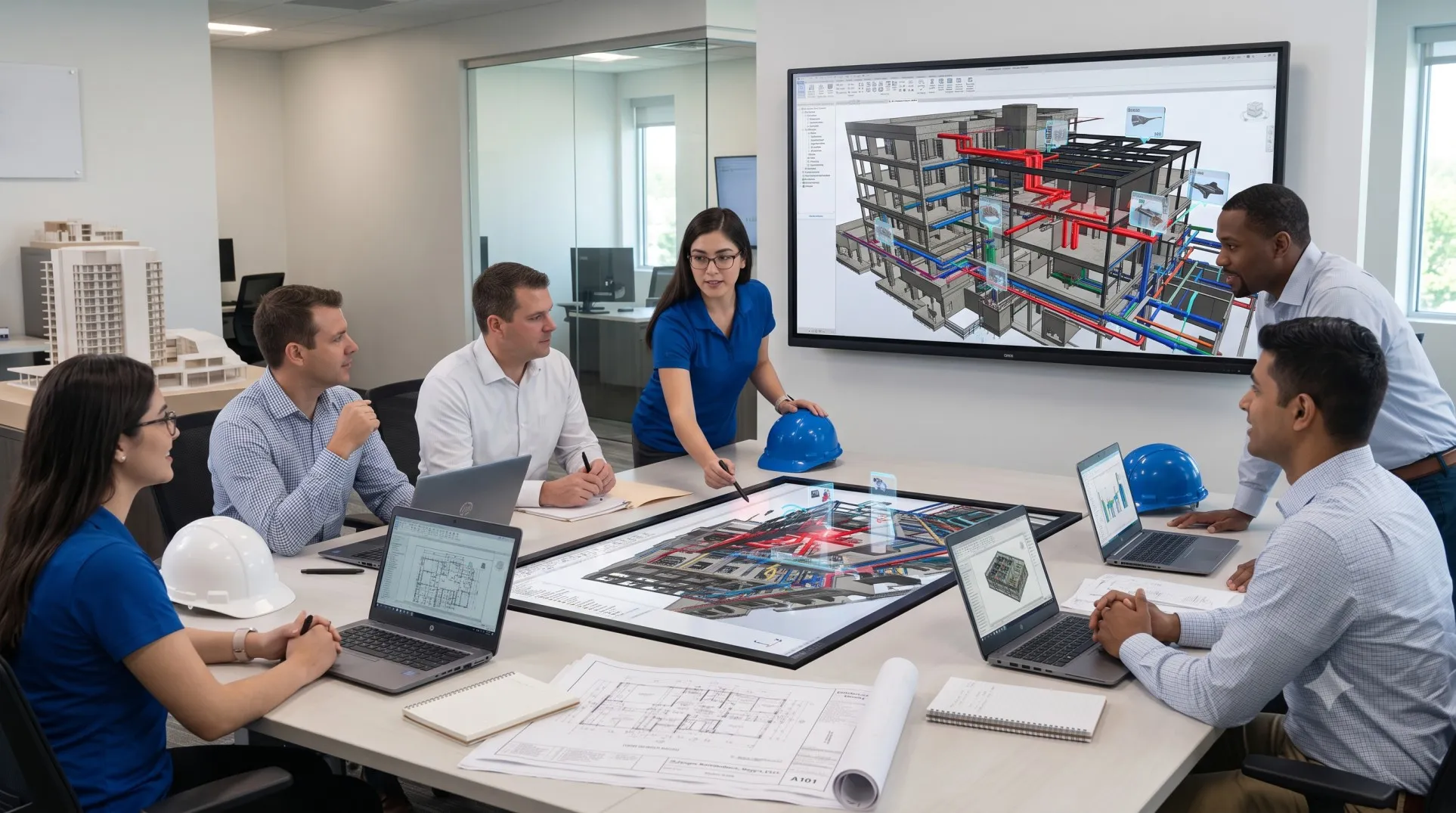


The construction industry is becoming increasingly complex. Modern projects involve architects, structural engineers, MEP designers, contractors, consultants, and project owners working together throughout the design and construction process. While this collaborative approach improves project outcomes, it also increases the possibility of design conflicts and communication gaps.
Building Information Modelling (BIM) has transformed how project teams collaborate, and one of its most valuable applications is BIM coordination. By integrating multiple disciplines into a single digital environment, BIM coordination helps teams detect clashes, improve communication, and reduce costly construction errors before work begins.
What Is BIM Coordination?
BIM coordination is the process of combining architectural, structural, mechanical, electrical, plumbing, and other building models into one coordinated digital model.
This integrated model enables project teams to review every system together, ensuring that building components fit correctly and perform as intended before construction starts.
Instead of discovering conflicts on-site, project teams identify and resolve issues during the design phase.
Why Coordination Matters
Construction projects generate thousands of drawings and design documents. When different disciplines work independently, conflicts can occur between systems.
Common examples include:
- HVAC ducts intersecting structural beams
- Plumbing pipes conflicting with electrical conduits
- Ceiling layouts interfering with lighting fixtures
- Equipment installed in inaccessible locations
These issues often lead to delays, redesigns, additional labour, and higher project costs.
BIM coordination helps eliminate these problems before construction begins.
Benefits of BIM Coordination Services
Improved Collaboration
BIM provides a shared digital model where architects, engineers, contractors, and consultants work from the same project information.
This improves communication and reduces misunderstandings between disciplines.
Clash Detection
One of BIM's most valuable features is automated clash detection.
Potential conflicts between structural, architectural, and MEP systems can be identified early, allowing teams to resolve issues before construction starts.
Reduced Construction Costs
Resolving design conflicts during planning is significantly less expensive than correcting errors on-site.
Fewer clashes mean:
- Less rework
- Fewer change orders
- Reduced material waste
- Improved labor productivity
Faster Project Delivery
Coordinated models reduce construction delays because contractors receive accurate, conflict-free documentation.
Projects can progress more efficiently while maintaining schedule commitments.
Better Decision-Making
Project stakeholders can review coordinated 3D models before construction, improving visualisation and supporting faster design decisions.
Industries That Benefit
BIM coordination is valuable across many sectors, including:
- Commercial buildings
- Residential developments
- Hospitals
- Airports
- Educational facilities
- Manufacturing plants
- Infrastructure projects
- Data centers
- Hotels
- Mixed-use developments
Any project involving multiple engineering disciplines can benefit from coordinated BIM workflows.
The Role of Technology
Modern BIM coordination relies on advanced software platforms such as:
- Autodesk Revit
- Navisworks
- BIM 360
- Autodesk Construction Cloud
- Solibri
- Revizto
These platforms help project teams manage coordination meetings, identify clashes, assign responsibilities, and monitor issue resolution throughout the design process.
Cloud collaboration further enables geographically distributed teams to work together efficiently using the latest project information.
Best Practices for Successful BIM Coordination
Successful coordination projects typically follow several best practices:
- Develop clear BIM execution plans.
- Establish standardised modelling guidelines.
- Maintain consistent naming conventions.
- Perform regular clash detection reviews.
- Hold multidisciplinary coordination meetings.
- Track and resolve issues systematically.
- Update coordinated models throughout the project lifecycle.
Following these practices improves design quality and project performance.
Looking Ahead
As construction projects become increasingly sophisticated, BIM coordination continues to play a vital role in digital project delivery.
Emerging technologies such as artificial intelligence, digital twins, automation, and cloud-based collaboration are further enhancing BIM workflows and helping project teams make better decisions throughout the building lifecycle.
Organizations that invest in BIM coordination are better positioned to improve efficiency, reduce project risks, and deliver higher-quality buildings.
Conclusion
BIM coordination services have become an essential component of modern construction projects.
By improving collaboration, identifying design conflicts early, and supporting accurate project documentation, BIM coordination helps organizations reduce costs, minimise delays, and improve overall project success.
For organizations seeking professional BIM coordination services, learn more here:
















Sign in to leave a comment.