
Travellers planning a mountain vacation often expect relaxation, quiet surroundings, and personal space. However, many traditional hotels struggle to deliver genuine privacy, especially in high-traffic tourist regions. Shared hallways, crowded parking lots, thin walls, elevator traffic, and constant guest turnover can reduce the sense of comfort many travellers seek during a getaway. For families, couples, remote workers, and outdoor enthusiasts, the lack of separation in standard lodging environments can make it difficult to fully disconnect and enjoy the destination.
This is one reason why Black Hills cabins continue to attract travellers looking for a more private and controlled lodging experience. Unlike hotels that operate within dense commercial layouts, cabins are typically designed with greater spacing, natural surroundings, and self-contained living features. These properties allow guests to enjoy the scenic environment of the Black Hills while maintaining distance from noise, crowds, and interruptions.
The Black Hills region itself naturally supports privacy-orientated travel. With expansive forested areas, mountain terrain, winding scenic roads, and lower-density development compared to urban hospitality zones, cabin accommodations are often integrated into quieter landscapes. This creates an environment that supports relaxation, outdoor recreation, family bonding, and longer stays without the distractions commonly associated with hotel environments. Keep reading.
The Structural Difference Between Cabins and Hotels
One of the most important differences between hotels and cabins is the physical layout. Hotels are designed for high occupancy within a compact footprint. Multiple rooms are stacked vertically or positioned side by side, with guests sharing walls, entrances, elevators, stairwells, dining areas, and parking facilities.
In contrast, Black Hills cabins are generally standalone or semi-private structures positioned across larger properties. This spacing significantly reduces noise transfer and guest interaction. Travelers can enter and exit their accommodations without passing through crowded lobbies or shared corridors.
This structural separation improves privacy in several ways:
- Reduced noise from neighbouring guests.
- Limited foot traffic near sleeping areas.
- Greater outdoor personal space.
- More control over schedules and activities.
- Improved security perception for families and groups.
Cabins are also frequently located near wooded areas, hillsides, or private recreational zones, which naturally create visual barriers between properties.
Natural Surroundings Create a More Private Environment
Environmental design plays a major role in how private an accommodation feels. Hotels located in commercial tourism districts are often surrounded by roads, restaurants, parking lots, and pedestrian traffic. Even luxury hotels may struggle to create a truly secluded atmosphere due to their centralised locations.
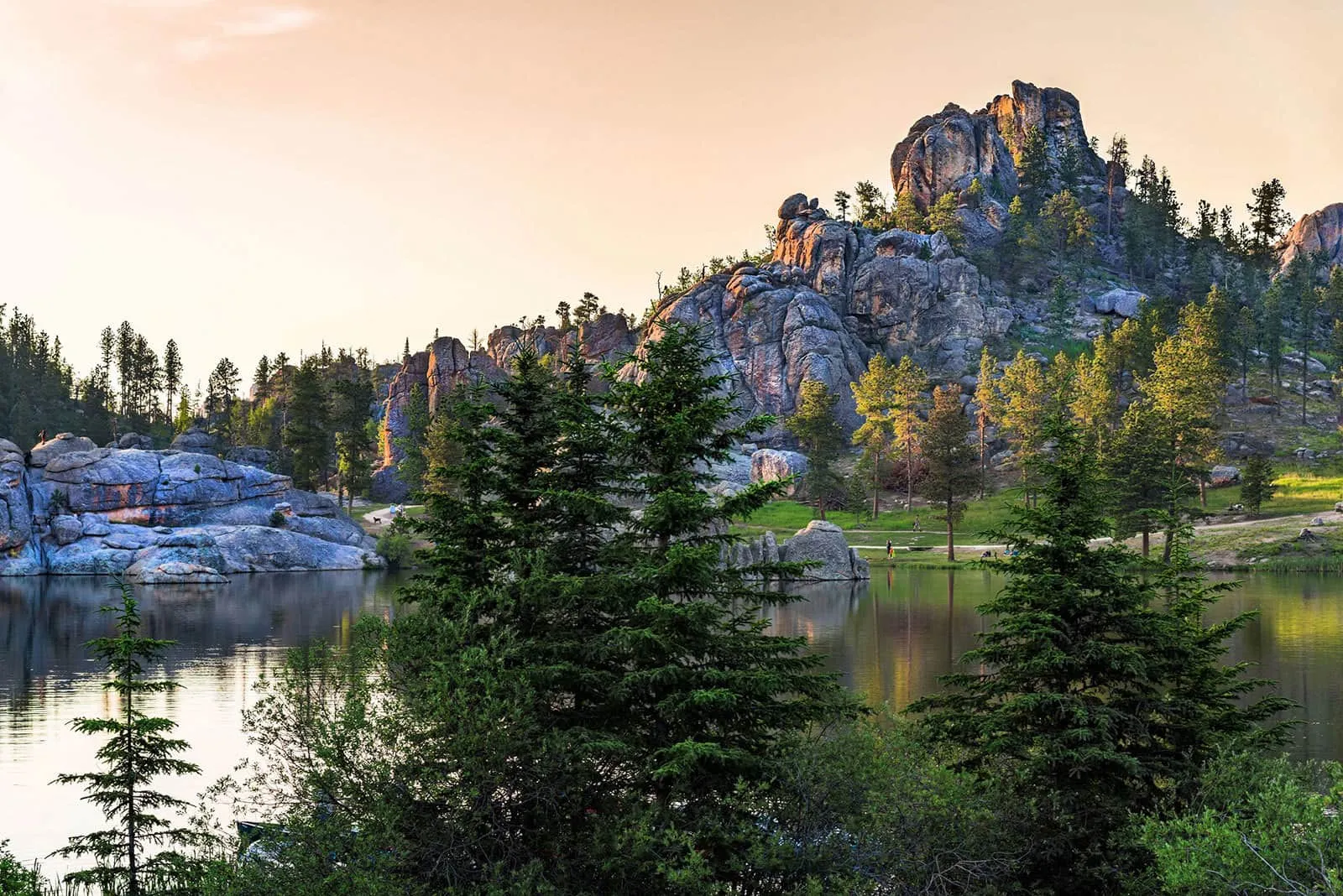
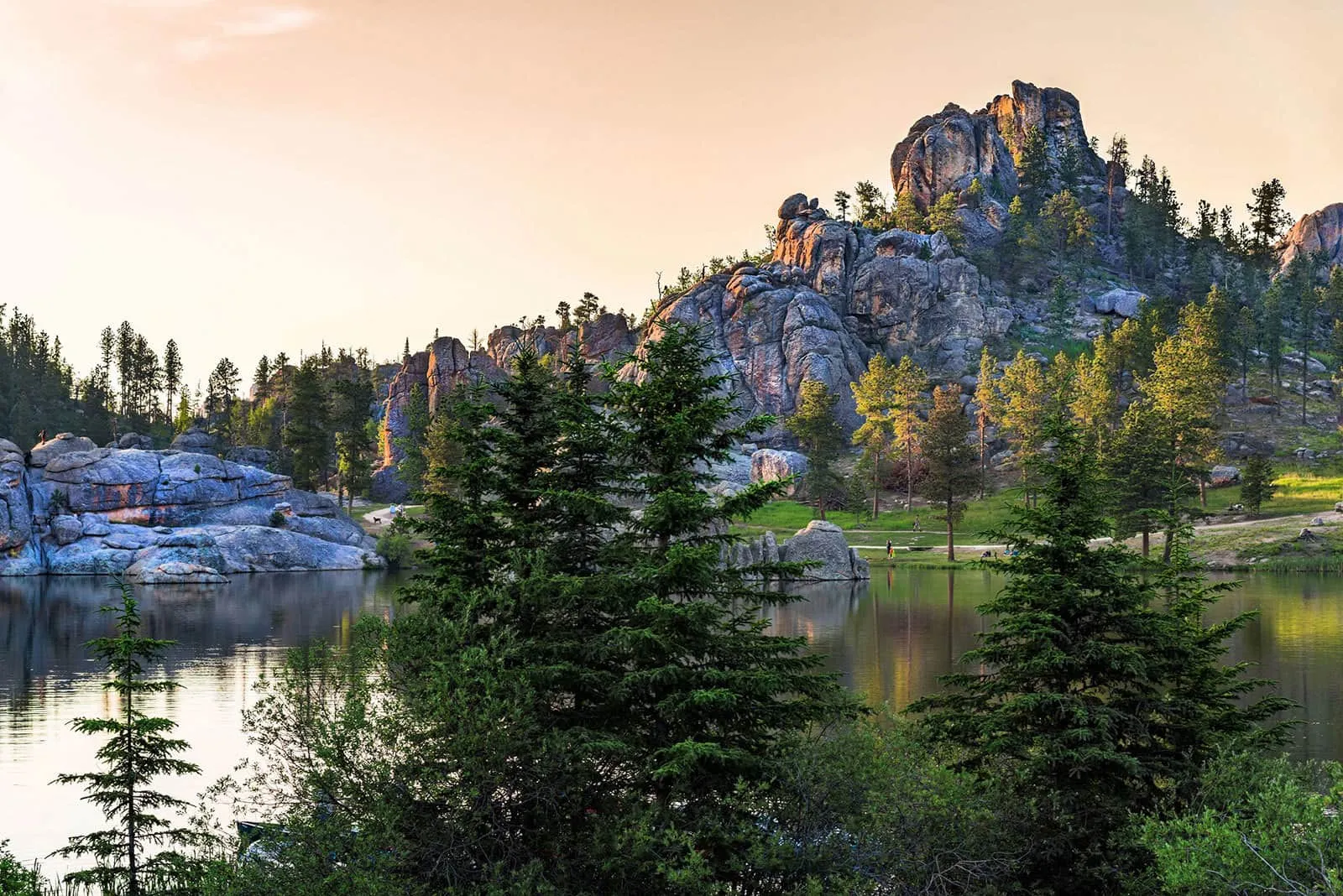
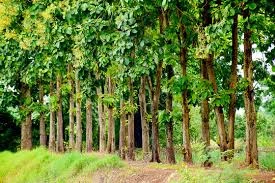
Many Black Hills cabins, however, are intentionally placed within forested or mountainous settings where natural landscapes serve as buffers between guests and surrounding activity. Pine forests, elevation changes, rock formations, and large outdoor spaces reduce visibility and noise exposure.
This environment supports travellers seeking:
- Quiet mornings and evenings.
- Minimal traffic disturbances.
- Scenic outdoor experiences.
- Wildlife observation opportunities.
- Reduced exposure to crowded tourism areas.
The Black Hills region is known for its expansive natural scenery, including access to national forests, hiking trails, scenic byways, and outdoor recreation zones. Cabins positioned within or near these areas allow visitors to experience the landscape without sacrificing comfort or privacy.
Better Privacy for Families and Group Travel
Large families and group travellers often experience logistical challenges when staying in hotels. Booking multiple hotel rooms can separate family members across floors or hallways, limiting convenience and reducing shared living space. Common hotel restrictions may also affect gathering times, cooking, parking, or recreational activities.
This is where Black Hills cabins provide a significant advantage. Multi-bedroom cabin layouts allow groups to stay together within a single property while still maintaining personal sleeping and relaxation areas.
Features commonly found in group-orientated cabins include:
- Multiple bedrooms and bathrooms.
- Open-concept kitchens and living rooms.
- Private decks and patios.
- Outdoor grilling spaces.
- Large dining areas.
- Private parking access.
These features allow families to socialise comfortably without the limitations associated with hotel room layouts. Parents can supervise children more easily, while groups can coordinate schedules without relying on shared public hotel spaces. Cabins also reduce the likelihood of disturbing neighbouring guests, which is particularly important for larger gatherings, reunions, or extended vacations.
Reduced Noise Levels Improve Guest Comfort
Noise control is one of the most overlooked aspects of travel privacy. In hotels, guests commonly encounter:
- Elevator noise.
- Hallway conversations.
- Late-night arrivals.
- Door slamming.
- Housekeeping interruptions.
- Shared HVAC system sounds.
Even upscale hotels can experience acoustic limitations because of building density and occupancy volume.
Many Black Hills cabins offer a quieter environment because they operate independently from large-scale hospitality structures. The physical distance between properties minimizes external noise exposure, while the surrounding natural landscapes help absorb sound. This quieter setting benefits travellers who prioritise the following:
- Better sleep quality.
- Remote work productivity.
- Relaxation and stress reduction.
- Family downtime.
- Nature-focused experiences.
For travellers escaping urban environments or busy work schedules, reduced noise levels can significantly improve the overall vacation experience.
Greater Schedule Flexibility and Independence
Hotels often operate around centralised systems and schedules. Guests may need to coordinate with:
- Check-in desk procedures.
- Dining hours.
- Housekeeping schedules.
- Shared amenity access.
- Elevator congestion.
- Parking limitations.
Cabins provide a more independent lodging model. Many Black Hills cabins offer self-check-in systems, private entrances, full kitchens, and independent utilities that allow travellers to manage their own routines.
This flexibility supports a wide range of travel styles, including:
- Early-morning hikers.
- Remote workers.
- Families with children.
- Extended-stay travellers.
- Outdoor recreation groups.
Guests can prepare meals, relax outdoors, or organise activities without the interruptions often associated with hotel operations. For longer stays, this level of independence becomes particularly valuable because it creates a more residential and comfortable environment.
Outdoor Living Spaces Increase Privacy
One major advantage cabins hold over hotels is the availability of private outdoor space. Hotel guests typically share balconies, pool areas, courtyards, or recreational facilities with dozens or even hundreds of other visitors.
In contrast, many Black Hills cabins include dedicated outdoor living areas such as:
- Private decks.
- Covered porches.
- Fire pit areas.
- Picnic spaces.
- Outdoor seating zones.
- Scenic overlook access.
These outdoor features allow guests to enjoy the surrounding environment without competing for shared amenities or crowded recreational spaces.
Outdoor privacy also enhances experiences such as:
- Morning coffee with mountain views
- Evening family gatherings.
- Stargazing opportunities.
- Wildlife viewing.
- Outdoor dining.
Because the Black Hills region experiences lower light pollution than many urban tourism centres, cabin travellers often enjoy clearer night skies and more immersive natural experiences.
Privacy Enhances Wellness and Relaxation
Modern travellers increasingly prioritise wellness-focused vacations that reduce stress and encourage mental recovery. Constant exposure to crowds, noise, and busy public environments can limit the restorative benefits of travel.
Private lodging environments support wellness in several measurable ways:
- Lower environmental stress.
- Reduced sensory overload.
- Improved sleep conditions.
- Better opportunities for uninterrupted rest.
- Increased connection to nature.
Research consistently shows that exposure to natural environments can support stress reduction and mental well-being. Many Black Hills cabins provide direct access to forested settings, hiking trails, and scenic landscapes that contribute to these benefits.
For remote workers and professionals experiencing digital fatigue, cabins also provide better opportunities for controlled downtime away from dense commercial tourism settings.
Enhanced Privacy for Couples and Romantic Getaways
Couples seeking a romantic vacation often prioritise quiet environments and uninterrupted experiences. Hotels, particularly in busy tourist destinations, may not always provide the atmosphere travellers expect for anniversary trips, honeymoons, or weekend escapes.
Cabins naturally support more intimate travel experiences because of their secluded layouts and private amenities.
Many Black Hills cabins include features such as:
- Private hot tubs.
- Mountain-view decks.
- Fireplaces.
- Full kitchens.
- Secluded wooded locations.
These amenities create a more personalised environment where couples can focus on relaxation without dealing with crowded common areas or noisy neighboring rooms.
The natural scenery of the Black Hills also enhances romantic travel experiences through access to scenic drives, hiking trails, wildlife viewing, and sunset overlooks.
Better Privacy for Remote Work and Extended Stays
The rise of remote work has changed traveller expectations regarding accommodations. Many professionals now combine work and leisure during extended stays, requiring environments that support concentration, internet access, and reduced distractions.
Hotels can create productivity challenges due to:
- Shared workspaces.
- Lobby noise;
- Limited room layouts;
- Unpredictable guest activity;
Many Black Hills cabins provide a better setup for remote professionals because they offer:
- Separate living and sleeping areas.
- Larger floor plans.
- Quiet surroundings.
- Outdoor workspaces.
- Kitchen access for long-term convenience.
Travellers staying for one week or longer often find cabins more practical and comfortable than standard hotel rooms.
The ability to work during the day while enjoying outdoor recreation in the evenings makes cabin lodging especially attractive in scenic destinations like the Black Hills.
Cabin Privacy Supports Safer and More Controlled Travel
Privacy and control are increasingly important factors in modern travel planning. Travelers often prefer accommodations where they can limit unnecessary interaction and manage their own environment. Cabins naturally support controlled travel experiences because they reduce dependence on shared infrastructure.
Compared to hotels, many Black Hills cabins provide:
- Private entrances.
- Independent ventilation systems.
- Less crowded surroundings.
- Dedicated parking.
- Reduced contact with large guest populations.
This level of control appeals to families, older travellers, and visitors seeking a more relaxed hospitality experience. Cabins also allow travellers to maintain personal routines more easily, including meal preparation, outdoor recreation schedules, and family activities.
The Black Hills Region Is Designed for Cabin Travel
The geography and tourism structure of the Black Hills make cabins particularly practical accommodations. The region attracts travellers interested in:
- National forest recreation.
- Hiking and trail systems.
- Scenic drives.
- Fishing and boating.
- Wildlife viewing.
- ATV and snowmobile trails.
Because these activities are spread across large natural areas, cabins often provide better geographic positioning than centralised hotels. Many cabin properties are located closer to outdoor recreation zones, allowing travellers to reduce commuting time and experience quieter surroundings away from congested tourism centres. This combination of accessibility and seclusion is one of the primary reasons travellers continue choosing Black Hills cabins over traditional hotel accommodations.
Conclusion
Privacy has become one of the most valuable features travellers look for when planning a vacation. While hotels continue to serve high-volume tourism needs, they often cannot provide the quiet, space, flexibility, and natural separation many travellers prefer. Shared infrastructure, crowded public areas, and dense occupancy can limit comfort and reduce the overall quality of a getaway experience.
In comparison, Black Hills cabins offer a more private and controlled lodging environment through standalone layouts, natural surroundings, reduced noise exposure, and independent living features. Whether travellers are planning a family vacation, romantic retreat, outdoor adventure, or extended remote-work stay, cabins provide a level of comfort and seclusion that traditional hotels often cannot match.
For travellers seeking meaningful relaxation, stronger connections with nature, and a more peaceful vacation experience, choosing the right cabin can significantly improve the quality of the trip. Carefully selecting a well-located cabin with the appropriate amenities, access to recreation, and sufficient personal space can help create a more comfortable, memorable, and stress-free Black Hills travel experience.




















Sign in to leave a comment.