
Procurement teams used to treat memorial products as low-variation inventory. That's changed fast. Buyers sourcing from Brass Urns Manufacturers, Metal Urns Manufacturers, and Wooden Urns Manufacturers now care about finish consistency, packaging durability, and private-label flexibility because retail customers have become far more selective.
And yet, plenty of importers still lose margin on avoidable mistakes.
A polished sample means very little if the supplier cannot maintain the same finish across a 2,400-piece shipment. We've seen buyers approve one handcrafted urn, then reject 18% of the landed order because lacquer tone shifted between production batches. That problem usually starts long before manufacturing. It starts during supplier evaluation.
Global demand is rising because memorial retailers want differentiated collections, not generic catalog products. Pet cremation urns, eco-friendly wooden designs, brass cremation urns, and memorial tribute items all have higher growth rates for personalized memorial items than standard low-cost memorials across the U.S, Europe, and Australia. The cremation trend is expected to grow and within the retail space urn memorials will grow across pet memorials and tribute items. The National Funeral Directors Association projected cremation trend rates to surpass 80% of the U.S population by 2045.
The Material Choice Buyers Debate Longer Than They Admit
Brass Urns Still Dominate Premium Retail Shelves
There's a reason premium memorial retailers continue sourcing Brass Urns despite higher material costs. Brass carries weight. Literally and psychologically.
Retail customers associate brass with permanence and craftsmanship. Most export-grade brass urns use alloy combinations that balance engraving clarity with corrosion resistance. A thinner wall thickness might lower freight costs by 7–9%, but it also increases dent risk during international shipping.
Most buyers never ask about lacquer curing temperatures.
They should. Poor curing causes tarnish complaints six months after retail sale, especially in humid regions. A supplier who avoids discussing finishing processes usually has inconsistent polishing controls behind the factory floor.
What Separates Good Metal Urns From Problematic Ones
Not every metal urn shipment fails dramatically. Most fail quietly.
The threading feels rough. Lid alignment shifts slightly. Powder coating chips when handled in the warehouse but do not show in video calls.
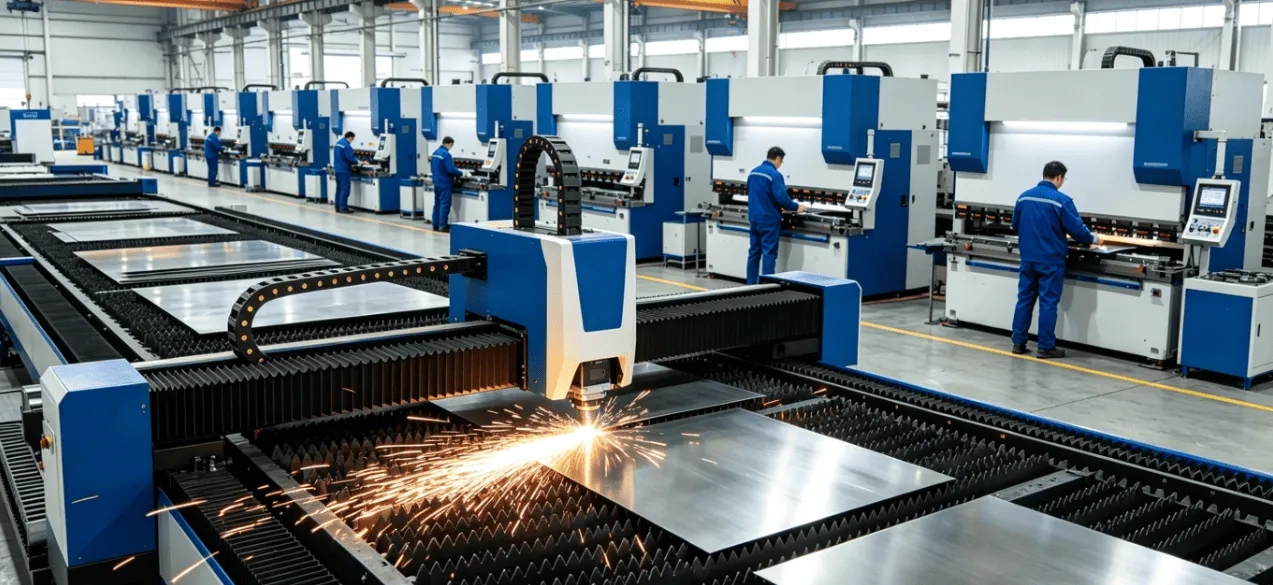
Quality Metal Urns Manufacturers have distortion-free polishing stages, dedicated electroplating areas, and drop-test ready packaging.
Cheap exporters often outsource finishing to uncontrolled workshops. That's where color inconsistency starts.
Which means the cheapest FOB quote can become the most expensive landed shipment.
Stainless steel and aluminum urns are also gaining traction because buyers want lighter products with lower freight weight. European Buyers increasingly prefer matte black and satin nickel finishes to traditional glossy finishes.
The Global Growth of Handmade Wooden Urns
Retailers noted a consistent demand for natural finished handcrafted memorial products with evident grain variations.That's helping Wooden Urns grow faster in boutique memorial retail.
But hardwood sourcing is harder than buyers expect.
Wood moisture content changes during monsoon seasons. If drying isn't controlled properly, lids warp after export transit. We’ve seen entire shipments develop fitting issues because production moved too quickly during humid months.
Reliable Wooden Urns Manufacturers monitor kiln drying carefully and adjust production schedules seasonally. A factory promising unrealistic lead times during peak humidity periods is usually cutting corners somewhere.
Specification Details Most Procurement Teams Skip
Material Grades Matter More Than Catalog Photography
Brass Construction
- Common export grades: brass alloy blends optimized for engraving
- Typical thickness: 0.7mm–1.2mm
- Finishes: brushed, polished, matte, hand-etched
- Popular capacity range: 3 cubic inches (keepsakes) to 220 cubic inches
Metal Construction
- Materials: stainless steel, aluminum, alloy blends
- Finish methods: electroplating, powder coating, painted enamel
- Average export carton drop resistance: 70–90 cm testing standards
- Increasing demand for threaded secure lids in North American retail
Wooden Construction
- Materials: mango wood, sheesham, MDF-core decorative builds, teak variants
- Finish styles: natural matte, gloss lacquer, hand-carved
- Moisture target before production: generally below 10–12%
- Velvet pouch packaging increasingly requested by distributors
Nobody tells new buyers this, but insert fitting tolerances matter almost as much as exterior appearance. Poor lid threading or uneven wooden alignment creates retail returns immediately because memorial products are emotionally sensitive purchases. Customers notice flaws fast.
5 Supplier Evaluation Criteria That Actually Protect Margins
How to Evaluate Brass Urns Manufacturers Before Ordering
1. Ask How Defects Are Handled After Shipment
A serious supplier explains replacement ratios, credit notes, and documentation procedures clearly.
A bad answer sounds like: “We’ll review issues case by case.”
That isn't a policy. That's delay disguised as flexibility.
2. Verify Packaging Testing Standards
International shipments face rough handling across multiple ports. Good suppliers conduct carton compression and drop testing.
A weak supplier says packaging has “never been a problem before.”
That's usually because complaints arrive after payment clears.
3. Review Finish Consistency Across Production Lots
Ask for photos from three separate batches, not just one polished sample.
Which means you see whether color variation exists before production begins.
4. Confirm Production Capacity Honestly
Some factories overload subcontractors during peak season. That's where quality collapses.
A supplier claiming 50,000 units monthly without showing facility scale deserves scrutiny.
5. Check Export Documentation Accuracy
Customs clearance is impeded by wrong HS codes, absent fumigation records, or inadequate carton labeling. One delayed container can wipe out seasonal retail timing.
Why Global Retailers Keep Expanding Memorial Product Categories
Broader Product Variety Protects Retail Margins
Retailers no longer depend on one classic shape. They stock premium brass collections, pet urns, keepsake lines, and eco-focused wooden designs because broader catalogs improve average order value.
Based on market observations from Funeralocity, personalized memorial products are becoming more popular in North American funeral retail, as buyers are showing more interest in emotional customization over readily available inventory.
Freight Efficiency Has Improved
Modern Metal Urns and engineered wooden designs often reduce shipping weight compared to older heavy-cast formats. That matters when container costs fluctuate aggressively.
Back in 2021, some Asia-to-U.S. container rates crossed $18,000. Buyers remember that.
Private Label Demand Keeps Growing
Retailers want exclusive designs. Importers want branding control. That’s pushed more buyers toward OEM-focused Brass Urns Suppliers and Metal Urns Suppliers capable of handling customized engraving, branded packaging, and mixed SKU containers.
Lower Return Rates Mean Better Retail Performance
Certain product features such as consistent threading, tight packaging, and uniform trimming lead to consumer complaint decrease and product return decrease.
Simple point. Fewer returns mean a retailer suffers fewer reputation hits.
Handcrafted Products Command Higher Retail Pricing
Generally, hand-finished Wooden Urns and engraved brass items yield better margins than almost all factory production stock.
Why India Remains a Core Sourcing Hub
India continues to dominate memorial product exports because the manufacturing ecosystem already supports metal casting, brass polishing, woodworking, engraving, and export packaging within concentrated industrial clusters.
That's a supply chain advantage, not just a labor-cost story.
Numerous international buyers seek Wooden Urns Manufacturers in India, Metal Urns Manufacturers in India, and Brass Urns Suppliers in India as local sourcing of components, finishes, and packaging significantly reduces production coordination time.
Moradabad has been and will continue to remain vital to the metal and brass memorial products sector due to decades of firs export-oriented metalworking. Northern India’s woodworking clusters also meet the demand for wooden memorial products that are engraved by hand.
However, the best locations mean nothing in the absence of operational discipline. Many manufacturers that produce inside export-oriented production zones have missed pre-determined deadlines because of bad production planning.
About Us — What Export Buyers Usually Notice First
At Square N Circle, we work with wholesalers, memorial retailers, and procurement teams sourcing export-grade Brass Urns, Metal Urns, and Wooden Urns for international markets.
We’ve learned that buyers care less about showroom language and more about shipment reliability. That’s why we focus heavily on finish consistency, protective packaging, production communication, and workable MOQs.
Back in 2021, we changed one internal foam packaging configuration after repeated distributor feedback from colder European regions where brittle inserts cracked during winter transit. Small adjustment. Big reduction in replacement claims.
Our products are exported to 31 countries, and every production cycle is reviewed against actual buyer feedback instead of catalog assumptions.
Send Specifications First. Samples Second.
When you are comparing Brass Urns Manufacturers, please provide your expected order quantity, preferred finish type, packaging requirement, target market, and estimated delivery timeline.
We will get back to you within one business day.
For most export orders, the MOQ will change by requesting a specific finish and/or requesting specific packaging.
Buyers requesting mixed-container SKUs should mention that upfront because it affects production scheduling immediately.
Conclusion
Global demand for Brass Urns, Metal Urns, and Wooden Urns keeps rising because memorial retail is becoming more design-focused, quality-sensitive, and brand-driven. Buyers are no longer competing only on price. They're competing on reliability, finish consistency, and product differentiation. The suppliers that understand export realities — not just manufacturing — will shape the next phase of memorial retail growth.
Here is another blog you might be interested in.
How Indian Urn Craftsmanship Is Winning Global Buyers
FAQs
Why are buyers shifting toward Indian Brass Urns Suppliers?
India offers stronger manufacturing depth across brass casting, engraving, polishing, and export packaging compared to many fragmented sourcing regions. But buyers still need to audit production discipline carefully. A factory with attractive samples can still fail on batch consistency.
Do Metal Urns Suppliers usually handle private labeling?
Many do, especially export-focused manufacturers. Buyers should still confirm carton labeling, barcode placement, insert printing, and packaging approvals before production begins. Assumptions create expensive delays later.
Are handcrafted Wooden Urns harder to standardize?
Yes. Natural grain variation and seasonal moisture changes make consistency more difficult than buyers expect. Good factories control drying and finishing carefully, but handmade products will never look perfectly identical.
What minimum order quantities are common with Wooden Urns Suppliers?
MOQ varies by design complexity, finish style, and packaging customization. Simpler stock designs may start lower, while custom engraved collections usually require higher production volumes.
Why do wholesalers prefer experienced Metal Urns Manufacturers?
Because export experience reduces avoidable problems. Threading accuracy, packaging strength, coating durability, and documentation accuracy all improve with operational maturity.
Are Brass Urns still stronger sellers than wooden styles?
In many premium retail markets, yes. Brass continues performing well because buyers associate it with durability and traditional memorial aesthetics. Wooden collections, though, are growing quickly in boutique and eco-conscious retail channels.
How should buyers compare Brass Urns Manufacturers fairly?
Request production photos, packaging specifications, defect handling policies, and shipment references — not just polished samples. Some suppliers invest heavily in presentation while ignoring repeatability on large-volume orders





















Sign in to leave a comment.