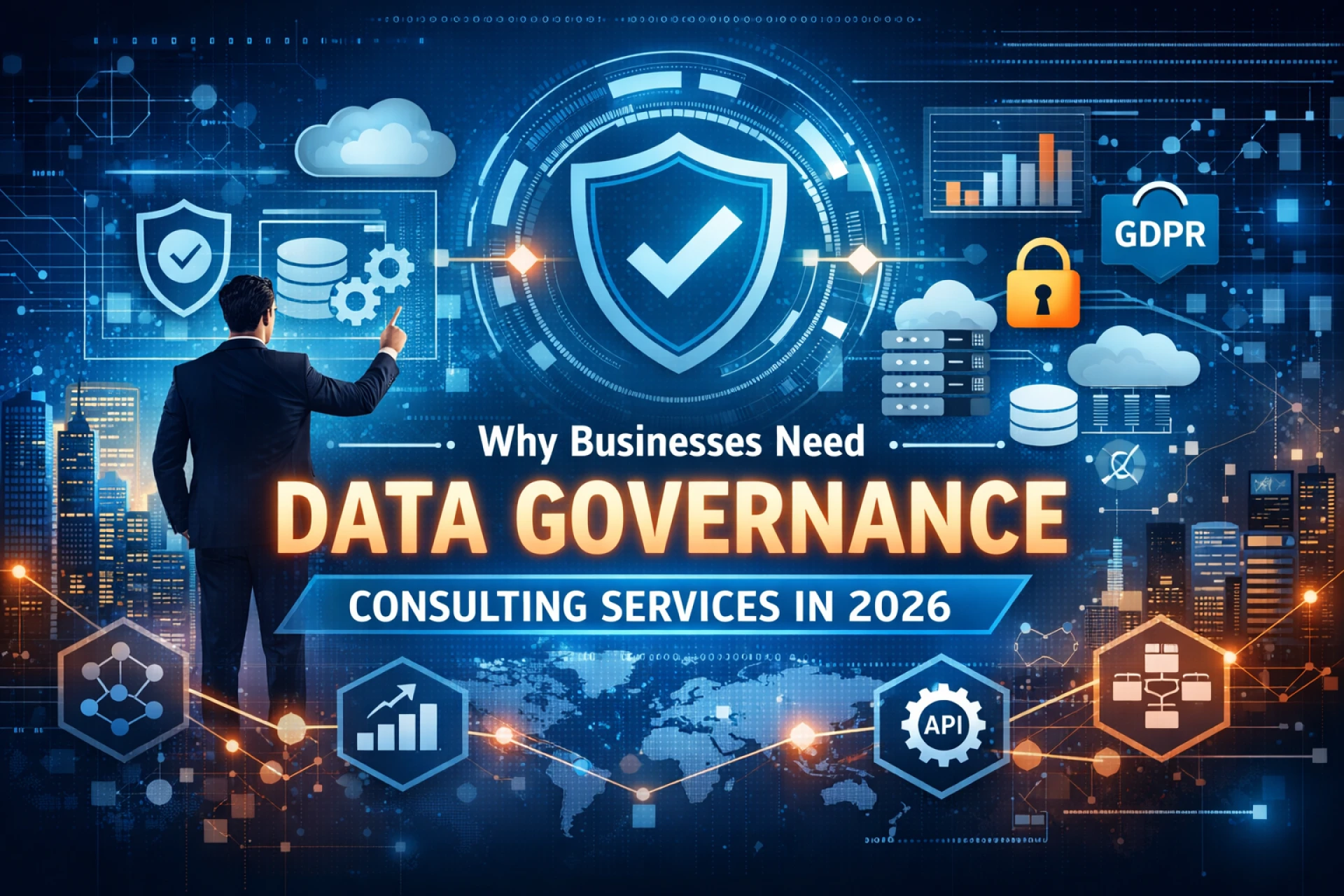

In 2026, data has become one of the most valuable assets for modern organizations. Companies generate massive volumes of data every day from customer interactions, digital platforms, analytics tools, and enterprise systems. However, without proper structure and control, this data can quickly become inconsistent, insecure, and difficult to manage. This is where data governance consulting plays a critical role. By implementing strong governance frameworks, businesses can ensure their data is accurate, secure, and aligned with strategic goals.
Organizations today rely on data not only for reporting but also for decision-making, innovation, and competitive advantage. As digital transformation accelerates across industries, the need for professional guidance in managing enterprise data has become more important than ever.
The Growing Importance of Data Governance
Data governance refers to the policies, processes, and technologies that ensure data is managed effectively throughout its lifecycle. It establishes clear standards for data quality, security, ownership, and accessibility within an organization.
Without a structured governance framework, businesses often struggle with issues such as duplicate data, inconsistent reporting, regulatory compliance risks, and limited data visibility. These challenges can significantly impact operational efficiency and strategic planning.
Professional consulting services help organizations design and implement governance strategies that align with business objectives. Consultants bring specialized expertise in regulatory requirements, data management frameworks, and technology integration, enabling companies to build a sustainable and scalable governance model.
Managing Complex Data Ecosystems
Modern businesses operate in increasingly complex data environments. Organizations often rely on multiple software platforms such as CRM systems, ERP platforms, analytics tools, and cloud-based databases. Integrating these systems while maintaining data accuracy can be a major challenge.
This is where API integration services become essential. APIs allow different systems to communicate and exchange information seamlessly. However, without proper governance, integrated data flows can create inconsistencies, security vulnerabilities, and compliance risks.
A strong governance strategy ensures that integrated systems follow standardized data structures, validation rules, and security protocols. This helps organizations maintain reliable data across all connected platforms.
Improving Data Quality and Reliability
High-quality data is the foundation of accurate analytics and strategic decision-making. When businesses rely on incomplete or inconsistent data, they risk making decisions based on incorrect insights.
Data governance consultants help organizations establish processes for data validation, cleansing, and monitoring. These processes ensure that information entering the system is accurate and consistent across all business units.
Improved data quality leads to better forecasting, more effective marketing strategies, and stronger operational planning. For companies investing in analytics, artificial intelligence, or machine learning, reliable data governance becomes even more essential.
Strengthening Regulatory Compliance
Global data regulations continue to evolve, and organizations must ensure they comply with strict standards related to privacy and security. Regulations such as GDPR and other regional data protection laws require businesses to manage data responsibly and maintain clear audit trails.
Consulting experts assist companies in building governance frameworks that align with regulatory requirements. This includes defining data ownership, implementing access controls, and creating documentation for compliance reporting.
A well-structured governance model not only reduces legal risks but also enhances trust with customers, partners, and stakeholders.
Enabling Data-Driven Decision Making
Businesses that successfully manage their data can unlock powerful insights that drive innovation and growth. However, analytics initiatives often fail when organizations lack proper data governance.
Through strategic consulting, companies can build governance frameworks that ensure data is accessible, consistent, and properly categorized. This allows analytics teams to extract meaningful insights without spending excessive time cleaning or organizing data.
As organizations adopt advanced technologies such as AI-powered analytics and predictive modeling, strong governance practices become essential to maintain the reliability of these systems.
Supporting Digital Transformation Initiatives
Digital transformation continues to reshape industries worldwide. Organizations are adopting cloud platforms, automation technologies, and advanced analytics tools to improve efficiency and customer experience.
However, digital transformation also increases the complexity of data management. Multiple systems, applications, and integration points generate large volumes of structured and unstructured data.
By leveraging data governance consulting, businesses can create structured frameworks that support innovation while maintaining control over enterprise data assets. Governance ensures that digital initiatives remain scalable, secure, and aligned with business strategy.
Enhancing Collaboration Across Departments
Another major benefit of a strong governance framework is improved collaboration between departments. When teams across marketing, finance, operations, and IT rely on standardized data definitions and shared policies, communication becomes more efficient.
Governance eliminates confusion around data ownership and ensures everyone in the organization works with the same reliable information. This alignment improves operational coordination and reduces conflicts caused by inconsistent reporting.
Preparing Businesses for the Future of Data
The role of data in business strategy will continue to grow in the coming years. Emerging technologies such as artificial intelligence, predictive analytics, and intelligent automation depend heavily on high-quality, well-governed data.
Organizations that invest in governance today will be better prepared to leverage these technologies in the future. Structured governance frameworks create a strong foundation for innovation, allowing businesses to adapt quickly to evolving digital trends.
Conclusion
As organizations move deeper into the digital economy, managing enterprise data effectively has become a strategic necessity. Companies must ensure that their data is secure, accurate, and accessible across multiple platforms and systems.
By adopting data governance consulting, businesses can implement structured frameworks that improve data quality, strengthen compliance, and support advanced analytics initiatives. When combined with modern technologies such as API integration services, governance strategies enable seamless system connectivity while maintaining control over critical information.
In 2026 and beyond, organizations that prioritize data governance will be better equipped to transform raw data into meaningful insights, drive innovation, and maintain a competitive advantage in an increasingly data-driven world.























Sign in to leave a comment.