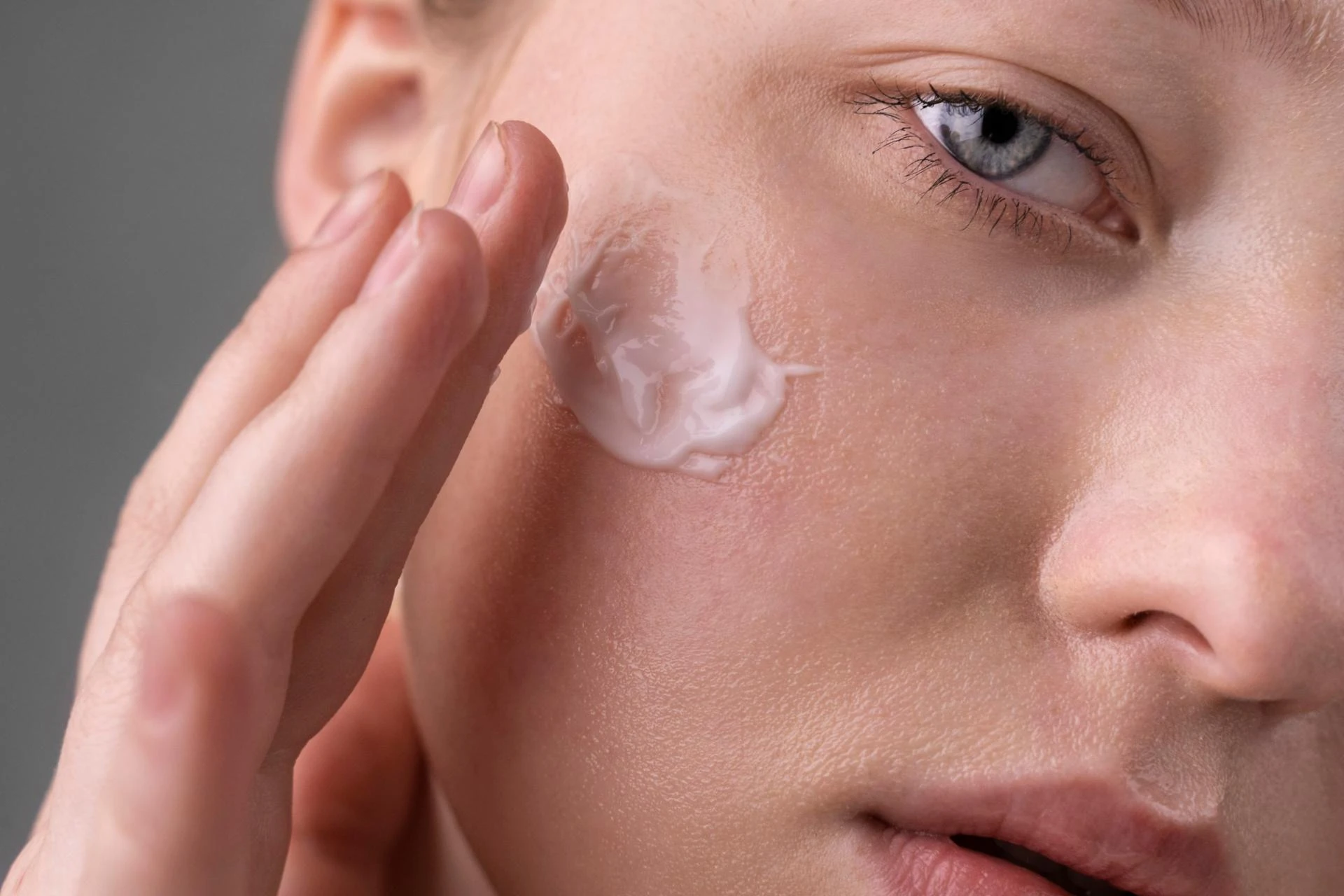

Finding a moisturiser that hydrates without irritating can feel impossible when you have sensitive or acne-prone skin. Many products either clog pores, feel greasy, or leave you with more breakouts. This is where Cetaphil face moisturizer for acne comes in as a gentle yet effective option for daily care.
What Makes Sensitive, Acne-Prone Skin Different?
Acne-prone skin often produces excess oil and can easily develop spots and blemishes. At the same time, sensitive skin reacts easily to harsh ingredients, causing redness, burning or irritation. Because of this, it might seem logical to skip moisturiser altogether. But that can actually make things worse. Skipping hydration causes the skin to become dehydrated, prompting it to produce more oil to compensate — which in turn can clog pores and lead to more breakouts. A good moisturiser helps keep your skin balanced and calm.
Why Moisture Matters for Acne-Prone Skin?
Moisturising is not just for dry skin. Even oily, acne-prone skin needs hydration to stay healthy. When you wash your face or use acne treatments, the skin’s moisture barrier can become weakened. This barrier is your skin’s first line of defence. If it’s damaged, irritation and breakouts can worsen. Moisturisers help lock in water and support this barrier, making it easier for treatments to work without causing dryness or inflammation.
Choosing the right acne prone skin moisturizer helps control excess oil while keeping the skin hydrated, which reduces the chances of irritation and recurring breakouts.
Cetaphil’s Gentle, Non-Comedogenic Formula
One of the strengths of Cetaphil’s moisturisers is the non-comedogenic design — this means they are made not to block pores, which is crucial for avoiding new blemishes. Many Cetaphil products are also fragrance-free and hypoallergenic, meaning they reduce the risk of irritation on sensitive skin.
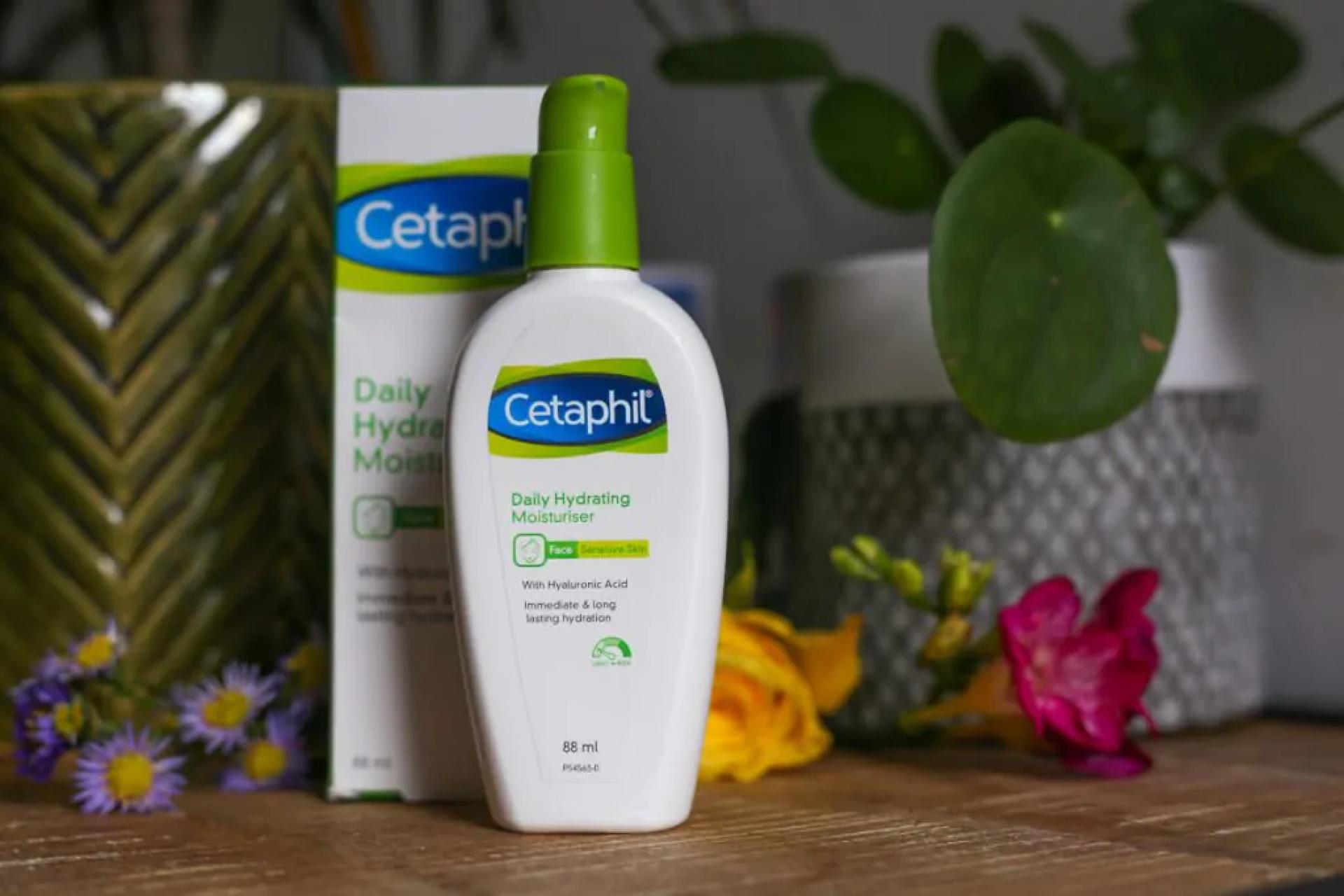
Cetaphil’s acne-focused moisturiser, such as the Gentle Clear Mattifying Acne Moisturizer, pairs lightweight hydration with acne-fighting benefits. It contains ingredients like salicylic acid that work to clear and prevent breakouts without over-drying the skin. This blend helps absorb excess oil, so your complexion feels smooth rather than shiny.
How to Use Cetaphil Moisturiser in Your Routine
For best results, apply Cetaphil moisturiser right after you cleanse. Cleansing removes dirt, oil and makeup, but it can also strip some natural moisture. Applying a moisturiser straight away helps trap hydration in the skin.
If you are using acne treatments like benzoyl peroxide or salicylic acid products, applying a gentle moisturiser afterwards can reduce dryness and irritation that sometimes come with these actives. Over time, keeping your skin hydrated can make your overall routine more comfortable and effective.
Clearing Up Confusion: Body Lotion on Face?
You might be tempted to use general body lotion on your face, especially on dry days. It’s important to avoid this. Body lotions are usually richer and not formulated for the delicate skin on your face. They can easily clog pores or feel too heavy, especially if you have oily or acne-prone skin. Always choose a product designed for facial use, like an acne-friendly moisturiser, to keep your skin balanced.
Choosing the Right Moisturiser
Look for products labelled non-comedogenic, fragrance-free, and lightweight. These labels mean the formula is more likely to sit well on sensitive, breakout-prone skin without causing irritation or blocked pores. Some moisturisers also include barrier-supporting ingredients like niacinamide for extra soothing benefits.
Conclusion
Sensitive, acne-prone skin needs care that balances hydration with gentle action. Cetaphil face moisturizer for acne supports this by offering a formula that hydrates without clogging pores, calms irritation and works with your acne-treatment routine. Rather than avoiding moisturiser out of fear of breakouts, choosing the right one like Cetaphil helps build a calmer, more resilient complexion over time.




Sign in to leave a comment.