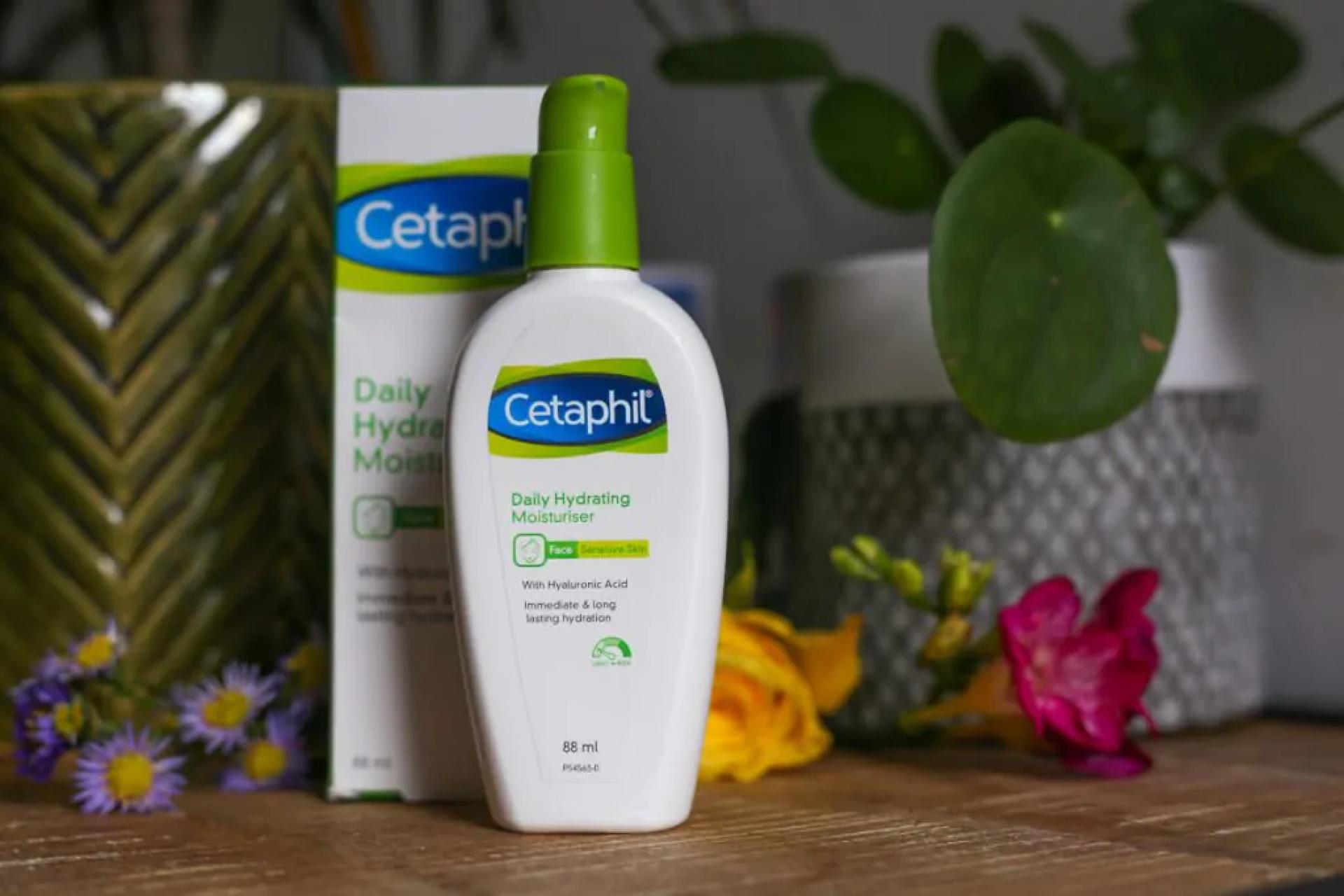

Reading skincare labels can feel like learning a new language. Long lists of strange names don’t help when you’re trying to choose the best products for your skin. But once you know what to look for, label reading becomes a powerful tool to pick formulas that actually work. This guide explains how to break down the key parts of a skincare label and what ingredients mean for your skin.
1. Why Ingredient Order Matters
Skincare labels aren’t random lists. By law, most products list ingredients in order of concentration, starting with the highest amount first. This means the first few names tell you what your skin will be getting the most of. If your product’s main active ingredients are buried near the bottom, it may not do much for your skin.
For example, water (listed as aqua) often appears first in moisturisers and cleansers. After that, look for hydrators like glycerin or hyaluronic acid in the top section — they help bind moisture to the skin.
2. Know Your Active Ingredients
Actives are the ingredients that target specific skin concerns. Here’s how some common ones help:
- Hyaluronic Acid: A moisture magnet that draws water into the skin.
- Niacinamide: Good for hydration, barrier support and uneven skin tone.
- Retinol and derivatives: Promote cell turnover and help with ageing signs.
- Salicylic Acid: Helps clear pores and reduce breakouts — especially useful if you’re trying skin care products for oily sensitive skin.
Don’t expect every active to be in high amounts. Some, like peptides, work well at low concentrations and may be listed lower on the label.
3. Ingredients That Can Irritate
Some ingredients may sound innocuous but can irritate sensitive or reactive skin. Knowing these can prevent redness, breakout or dryness:
- Fragrances and parfum: Often include many hidden chemicals that can trigger irritation.
- Certain alcohols: Like denatured alcohol, can dry out the skin if too high in the list.
- Harsh surfactants: Sodium lauryl sulfate (SLS) may strip natural oils and disrupt the skin barrier.
If sensitive skin is your main concern, avoid products that list these high up.
4. Buzzwords on Packaging Aren’t Always What They Seem
Front-of-pack words like “clinically proven,” “natural” or “dermatologist approved” don’t always have strict rules behind them. They may sound reassuring, but the real story is still in the ingredient list. Look for products where the active ingredients you need are near the top, not just on the front claim.
Symbols on the packaging also matter. A little jar icon with 12M means the product should be used within 12 months of opening. These details help you choose products that are fresh and safe.
5. Tips for Smarter Shopping
Knowing how to read labels makes it easier when you buy body skin care products or face serums. Always:
- Take time to check the full ingredients list, not just the front marketing.
- Use ingredient guides or apps to understand complex names.
- Pick formulas tailored to your skin type — for example, non-comedogenic products if you’re acne-prone.
Conclusion
Reading between the lines on skincare labels isn’t about memorising every complex term. It’s about spotting ingredients that help your skin and recognising those that might harm it. When you do this, you shop smarter, choose products that truly suit your needs and feel more confident in every purchase — whether you’re stocking up basics or exploring new formulas. Next time you go to buy body or skin products, let the ingredients guide your choice rather than the packaging claims.
































Sign in to leave a comment.