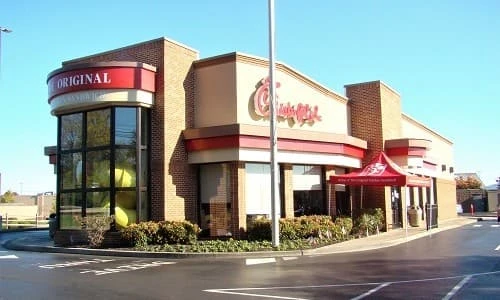

Triple net real estate remains one of the most sought after asset classes for investors seeking dependable income, minimal management responsibilities, and long term stability. Among the many retail categories available, quick service restaurant properties consistently rank near the top due to strong consumer demand and resilient operating models. This leads many investors to ask a common question: why invest in Chick-fil-A real estate?
The answer lies in a combination of tenant performance, lease structure, site selection, and investor confidence. This article explores the key reasons these properties are widely regarded as premium triple net assets and explains why they continue to attract long term capital from both individual and institutional investors.
Understanding the Appeal of Triple Net Real Estate
Predictable Income Streams
Triple net properties are structured so the tenant covers property taxes, insurance, and maintenance. This arrangement allows owners to receive consistent rental income with limited exposure to unexpected expenses. Predictability is one of the main reasons investors favor this model over other commercial real estate types.
Minimal Management Requirements
Because tenants assume most property level responsibilities, owners are not burdened with day to day operational oversight. This makes triple net investments especially attractive to investors who value passive income and portfolio scalability.
Long Term Lease Durations
Triple net leases are typically signed for extended terms, often spanning multiple decades. These long lease periods reduce vacancy risk and provide stable cash flow across market cycles.
Why Invest in Chick-fil-A Real Estate
Exceptional Tenant Performance
One of the strongest arguments for why invest in Chick-fil-A real estate is consistent unit level performance. Properties leased to top performing quick service operators benefit from strong sales volumes, high customer loyalty, and steady foot traffic. These factors significantly reduce the risk of lease default.
Brand Driven Demand
Consumer demand plays a major role in tenant durability. Locations associated with highly recognizable and trusted dining concepts tend to outperform peers, even during economic slowdowns. This demand translates into long term lease stability and investor confidence.
Limited Supply of Available Properties
Unlike many retail tenants, this category offers a relatively small number of investment opportunities nationwide. Limited availability increases competition among buyers, which supports property values and enhances long term appreciation potential.
Lease Structure Advantages
True Triple Net Responsibilities
These investments often feature leases where the tenant assumes full responsibility for operating expenses. This structure protects investors from rising costs and simplifies financial planning.
Built In Rent Growth
Many leases include periodic rent increases. Over time, these escalations help offset inflation and improve cash flow without additional capital investment from the owner.
Long Remaining Lease Terms
Properties with substantial remaining lease duration are highly attractive to investors. Long terms provide income security and make assets easier to finance and resell.
Location Strategy and Site Selection
High Traffic Trade Areas
Successful quick service locations are typically placed in areas with strong vehicle counts, visibility, and accessibility. These site characteristics support consistent sales performance and long term tenant success.
Strong Demographic Fundamentals
Population density, household income, and employment levels influence consumer spending patterns. Properties positioned in favorable demographic areas tend to maintain relevance and value over time.
Barrier to Entry Markets
Zoning restrictions and limited available land in prime corridors create natural barriers to entry. These constraints protect existing locations from oversupply and enhance long term investment stability.
Financing Benefits for Investors
Attractive Lending Terms
Lenders often view these properties as low risk due to tenant strength and lease structure. As a result, investors may benefit from competitive interest rates and favorable loan terms.
Ease of Refinancing
Strong property performance and long lease terms make refinancing more straightforward. Investors can improve cash flow or access equity while maintaining ownership of a high quality asset.
Portfolio Level Appeal
These assets are frequently used as cornerstone holdings within diversified portfolios. Their stability supports broader investment strategies and long term wealth planning.
Risk Mitigation Factors
Resilience During Economic Downturns
Food service remains a consistent consumer priority, even during periods of economic stress. This resilience helps protect rental income when other retail segments may struggle.
Operational Excellence
Efficient operations and disciplined management contribute to consistent performance. Investors benefit from tenants that prioritize quality control, customer experience, and financial stability.
Strong Renewal Probability
High performing locations are more likely to renew leases at expiration. Renewal reduces vacancy risk and preserves income continuity for property owners.
Long Term Wealth Preservation
Stable Cash Flow for Passive Investors
Predictable rental income makes these properties well suited for investors seeking reliable returns without operational complexity. This stability supports long term financial planning.
Inflation Protection
Rent escalations and long term leases help preserve purchasing power over time. Fixed debt paired with rising rental income can enhance real returns.
Attractive Exit Liquidity
High demand for premium triple net assets creates strong resale potential. Investors benefit from a deep buyer pool when it comes time to sell or rebalance portfolios.
Comparing to Other NNN Retail Investments
Lower Volatility
Compared to other retail categories, top tier quick service properties often experience less volatility in sales and foot traffic. This stability translates into reduced income risk for owners.
Stronger Investor Demand
Institutional and private investors consistently compete for these assets. Strong demand supports pricing and reduces time on market during resale.
Superior Lease Quality
Lease terms are often more favorable than those found in other retail segments. Longer durations and clearer expense responsibilities enhance overall investment quality.
Strategic Considerations for Buyers
Evaluating Remaining Lease Term
Investors should assess how much time remains on the lease and how that aligns with their investment horizon. Longer terms generally offer greater security.
Assessing Market Fundamentals
Understanding local economic drivers helps determine long term property viability. Even strong tenants benefit from being located in healthy markets.
Aligning Financing With Investment Goals
Loan terms should complement lease duration and cash flow objectives. Thoughtful financing enhances returns while maintaining flexibility.
Conclusion
For investors evaluating high quality triple net opportunities, understanding why invest in Chick-fil-A real estate reveals a compelling combination of stability, performance, and long term value. Strong tenant demand, favorable lease structures, and strategic site selection contribute to consistent income and reduced risk.
These properties continue to serve as cornerstone assets for passive investors seeking predictable returns and long term wealth preservation. As competition for premium triple net investments grows, assets with proven performance and limited supply are likely to remain among the most desirable choices in the market.
Sign in to leave a comment.