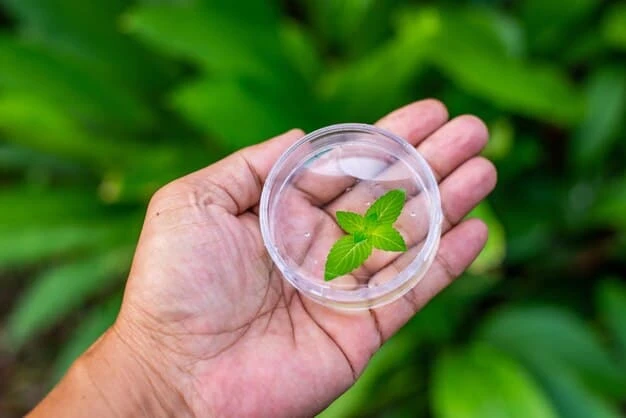

In today's fast-paced world, where consumers are becoming increasingly health-conscious and aware of what they put into their bodies, the discussion surrounding food preservation has gained significant traction. The choice between natural preservatives and artificial additives is a critical topic, especially for those who prioritize health, sustainability, and ethical considerations in their purchasing decisions. This article delves into the reasons why one should favor natural preservatives over synthetic alternatives, examining the health implications, environmental impact, and consumer preferences that define this ongoing debate.
The Health Benefits of Natural Preservatives
One of the most compelling reasons to choose natural preservatives is their health benefits. Natural preservatives, derived from plant sources, often contain beneficial compounds that can enhance the nutritional profile of food. For instance, substances such as rosemary extract and vitamin E not only act as preservatives but also provide antioxidant properties. This dual functionality contributes to better health outcomes, as antioxidants are known to combat oxidative stress in the body, which can lead to chronic diseases.
Contrarily, artificial additives have been linked to various health concerns. Numerous studies suggest that certain synthetic preservatives, such as sodium benzoate and BHA (butylated hydroxyanisole), may cause allergic reactions or other adverse effects in sensitive individuals. The potential for long-term health implications remains a concern, as many artificial additives are not thoroughly tested for safety over extended periods. By opting for natural preservatives, consumers can reduce their exposure to these questionable ingredients, aligning their dietary choices with a more health-conscious lifestyle.
Environmental Considerations
The environmental impact of food production and preservation cannot be overlooked. Natural preservatives often come from renewable resources and contribute to a more sustainable food system. For example, extracts from fruits, vegetables, and herbs require less energy to produce than their synthetic counterparts, which often involve complex chemical processes. This reduction in energy consumption translates to a smaller carbon footprint, making natural preservatives a more environmentally friendly choice.
In contrast, the production of artificial additives is frequently associated with environmental degradation. The use of synthetic chemicals in agriculture and food processing can lead to pollution and biodiversity loss. Moreover, as public awareness of environmental issues rises, consumers are increasingly seeking products that reflect their values. By choosing products preserved with natural preservatives, they not only support their health but also contribute to a healthier planet.
Consumer Preferences and Market Trends
Consumer demand plays a pivotal role in shaping the food industry. As more individuals prioritize clean eating and transparency in food labeling, the preference for natural ingredients has surged. According to market research, there has been a noticeable shift towards products that emphasize natural preservatives. Brands that incorporate these ingredients into their formulations are often viewed as more trustworthy and aligned with consumer values.
The rise of organic and non-GMO products has further fueled this trend. Shoppers are now more inclined to scrutinize ingredient lists, seeking items that contain recognizable components rather than obscure chemical names. This growing preference has prompted many manufacturers to reformulate their products, replacing artificial additives with natural alternatives. As a result, the market for natural preservatives is projected to expand significantly in the coming years, reflecting a broader movement towards holistic health and wellness.
The Role of Natural Preservatives in Food Quality
Beyond health and environmental considerations, natural preservatives also play a crucial role in maintaining food quality. They help to extend shelf life while preserving the flavor, texture, and nutritional value of products. For instance, natural acids such as citric acid and vinegar not only act as preservatives but also enhance the taste of foods, offering a more enjoyable eating experience.
On the other hand, artificial preservatives can often impart undesirable flavors or textures, which may compromise the overall quality of the food. Consumers are increasingly discerning about the sensory aspects of their food, and the use of natural preservatives can significantly improve the appeal of products on the shelf. This emphasis on quality is particularly important in the competitive food market, where taste and freshness can make or break a product’s success.
Overcoming Challenges in Natural Preservation
While the benefits of natural preservatives are clear, there are challenges associated with their use. One of the primary concerns is their efficacy compared to artificial additives. Natural preservatives may not always provide the same level of protection against spoilage or microbial growth, which can lead to shorter shelf lives for certain products. However, ongoing research and innovation in food science are addressing these challenges. Techniques such as incorporating multiple natural preservatives in combination or using advanced preservation methods like high-pressure processing are enhancing the effectiveness of natural alternatives.
Additionally, the perception that natural preservatives are less effective can deter some manufacturers from making the switch. It's essential for the industry to educate both producers and consumers about the advancements in natural preservation techniques and the benefits they bring. Providing clear information on the efficacy and safety of natural preservatives can help bolster confidence in these alternatives, encouraging broader adoption.
Conclusion
The movement towards natural preservatives over artificial additives is not merely a trend; it reflects a profound shift in consumer awareness and preferences. As individuals become more invested in their health and the environment, the demand for clean, transparent, and high-quality food products continues to grow. Natural preservatives offer numerous advantages, from health benefits and environmental sustainability to improved food quality and alignment with consumer values.
For those looking to make informed choices that support their health and the planet, selecting products that utilize natural preservatives is a meaningful step forward. Companies that prioritize these ingredients are well-positioned to thrive in a market that increasingly values authenticity and health.
If you’re interested in exploring high-quality products that harness the power of natural preservatives, look no further than Allyson Enterprises Inc.. Join the movement towards healthier living and make a choice that benefits both you and the environment. Your journey towards better health starts today!


























Sign in to leave a comment.