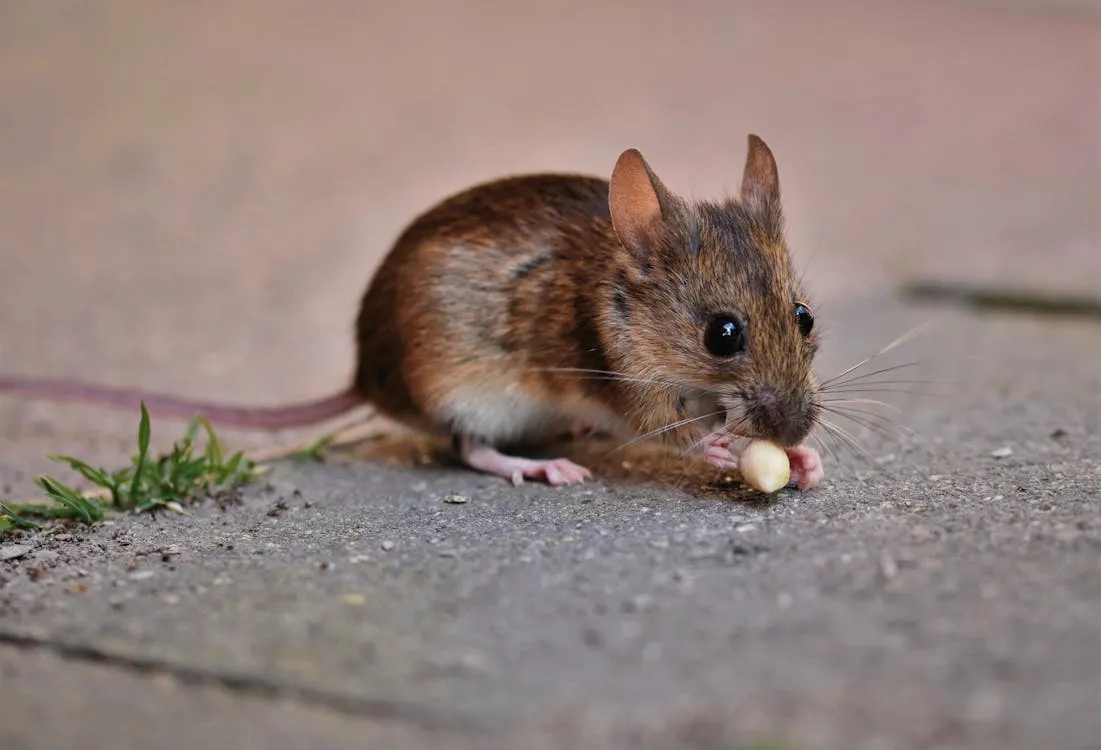

Coastal areas in Texas, including Galveston, Kemah, and Clear Lake, experience pest activity at a much higher rate than many inland regions. Homeowners in these communities often deal with recurring infestations involving ants, mosquitoes, cockroaches, rodents, and other pests throughout the year.
The reason is largely environmental. Coastal climates create conditions that support pest survival, breeding, and movement far more consistently than drier inland areas. High humidity, moisture buildup, warm temperatures, and frequent rainfall all contribute to faster and more persistent pest infestations in coastal homes.
Humidity Supports Constant Pest Activity
One of the biggest differences between coastal and inland environments is humidity. Coastal Texas communities experience elevated moisture levels for much of the year due to their proximity to the Gulf Coast. Many pests depend on moisture to survive and reproduce. Cockroaches, ants, and mosquitoes thrive in humid conditions because moisture helps support their nesting and feeding behavior.
In inland areas where air conditions are often drier, pest populations may slow down during certain seasons. Coastal regions, however, maintain conditions that allow pests to remain active for longer periods. This is one reason homeowners in places like Kemah and Galveston often notice year-round pest pressure instead of isolated seasonal activity.
Standing Water Increases Mosquito Breeding
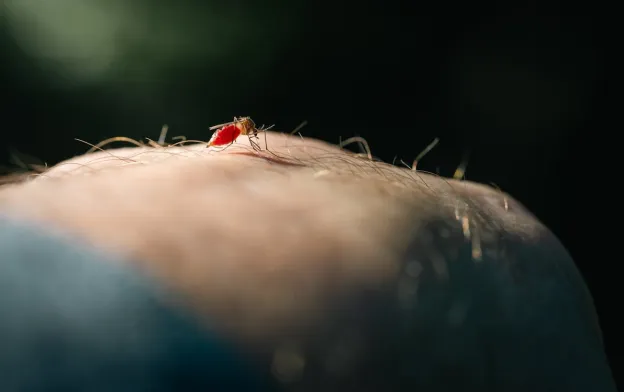
Coastal environments frequently collect standing water due to rain, humidity, and slower evaporation rates. This creates ideal breeding conditions for mosquitoes. Even small water sources, such as clogged gutters, flower pots, drainage areas, bird baths, and outdoor containers, can support mosquito development. Warm temperatures accelerate the mosquito life cycle, allowing populations to grow quickly.
In many coastal neighborhoods, repeated rainfall combined with humid air means standing water remains present longer than it would inland. As a result, mosquito infestations can become more persistent and widespread. Outdoor patios, gardens, and waterfront properties are especially vulnerable to increased mosquito activity in these conditions.
Warm Temperatures Extend Pest Seasons
Temperature also plays a major role in pest behavior. Coastal Texas generally experiences milder winters and extended warm seasons compared to inland areas. Many pests become less active in colder weather. However, in coastal communities like Clear Lake and Galveston, temperatures often remain warm enough to support continuous insect and rodent activity.
Cockroaches, ants, and spiders continue searching for food, moisture, and shelter throughout much of the year. This means infestations can develop more rapidly because pests are not slowed by long periods of cold weather. For homeowners, this often results in recurring pest issues that require more frequent monitoring and treatment.
Coastal Homes Often Contain Moisture-Prone Areas
Moisture accumulation around homes is another major factor behind increased pest infestations in coastal regions.
Humidity and salt air can contribute to condensation around plumbing systems, attics, crawl spaces, and windows. Roof leaks and poor ventilation may also become more common due to coastal weather conditions.
These damp areas attract pests looking for stable nesting environments. Cockroaches are especially drawn to moisture-heavy spaces such as kitchens, bathrooms, laundry rooms, and under sinks. Ants are also more likely to enter homes searching for water sources during hot periods, particularly when outdoor conditions fluctuate between rain and heat.
Dense Vegetation Supports Pest Populations
Many coastal homes feature landscaping designed for humid climates, including dense plants, shrubs, and shaded outdoor areas. While visually appealing, these environments also create shelter for pests.
Mosquitoes often rest in shaded vegetation during the day before becoming active in the evening. Ant colonies may establish themselves beneath mulch beds, tree roots, and garden structures.
Overgrown vegetation near foundations can also create direct access points for pests entering the home. Inland areas with drier landscaping conditions may not provide the same level of shelter and moisture needed to sustain large pest populations.
Coastal Storms and Flooding Disrupt Pest Habitats
Heavy rainstorms, flooding, and tropical weather events are common in coastal Texas. These environmental disruptions often force pests to relocate into homes and commercial buildings.
Rodents may move indoors seeking dry shelter after flooding. Ant colonies displaced by saturated soil may migrate into walls, kitchens, and structural voids. Cockroaches are also known to spread through drainage systems during storms.
This movement contributes to sudden increases in pest infestations after periods of heavy rainfall or coastal weather activity. In many cases, homeowners first notice infestations shortly after severe weather changes environmental conditions outdoors.
High Population Density Contributes to the Spread
Coastal communities frequently contain closely built neighborhoods, waterfront developments, restaurants, and tourism-related businesses. These conditions can increase the spread of pests between nearby properties. Shared walls, drainage systems, dumpsters, and outdoor gathering spaces all create opportunities for pests to travel between homes and businesses.
Apartment complexes, condominiums, and townhomes in coastal areas may experience recurring infestations because pests can move between connected structures through plumbing and utility openings. This interconnected environment allows infestations to spread faster compared to more isolated inland properties.
Common Coastal Pests in Texas Homes
Several pests are especially common in coastal Texas communities:
Ants
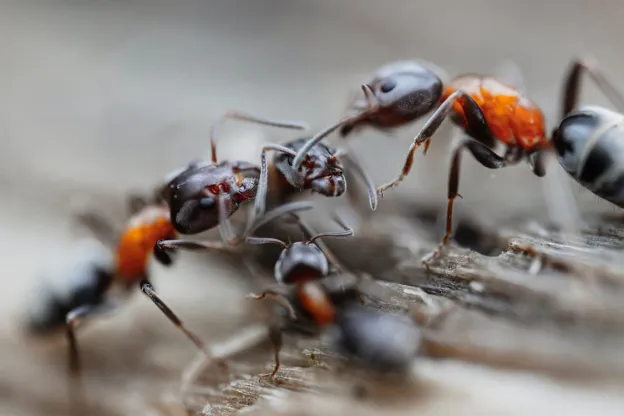
Ants thrive in warm, humid environments and are attracted to food and moisture inside homes.
Cockroaches
Cockroaches prefer dark, damp environments and often hide behind appliances, plumbing lines, and storage areas.
Mosquitoes
Standing water and coastal humidity support large mosquito populations throughout much of the year.
Rodents
Rodents seek shelter indoors during storms, flooding, or changing outdoor conditions.
Spiders
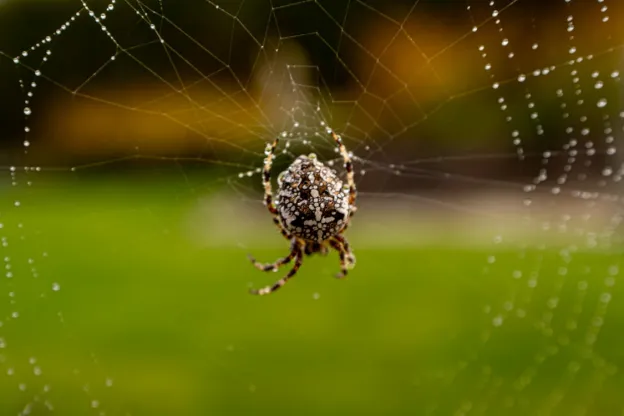
Spider activity often increases when insect populations rise, especially in garages, storage areas, and outdoor structures.
Preventative Maintenance Is Especially Important in Coastal Areas
Because coastal environments naturally support pest activity, preventative maintenance becomes more important for homeowners. Reducing standing water, monitoring moisture buildup, sealing entry points, and maintaining landscaping can help reduce conditions that attract pests.
Regular inspections are also important because many infestations begin in hidden areas before becoming visible inside the home. Without ongoing attention, coastal pest infestations can develop quickly due to the environment’s ability to support continuous pest survival and reproduction.
Coastal environments in Texas often create ongoing pest challenges for both homeowners and businesses, especially in areas like Galveston, Kemah, and Clear Lake. Ajax Exterminating has provided professional pest control services since 2008, helping properties manage issues linked to humidity, standing water, and year-round insect activity. Their licensed team handles mosquito control, rodent control, and targeted pest removal solutions designed for coastal conditions. In addition to residential services, the company also supports businesses requiring consistent commercial pest control for restaurants, offices, and high-traffic properties throughout surrounding Texas communities.
Need pest control near you? Contact them.
About the Author
Written by Robert White, a pest control professional with experience serving residential and commercial properties across coastal Texas.




























Sign in to leave a comment.