

In today’s crowded marketplace, brands are constantly competing for attention. While messaging, product quality, and customer experience all play important roles, there’s one often underestimated factor that can instantly elevate how your brand is perceived color consistency. From your website to packaging and even a luxury branded merchandise kit, cohesive color usage has the power to make your brand look more polished, trustworthy, and high-value.
The Psychology Behind Color and Perception
Color is more than just a visual element, it's a psychological trigger. Studies show that people form first impressions within seconds, and color plays a major role in shaping those perceptions. Consistent color usage helps your audience quickly recognize your brand and associate it with specific emotions.
For example, deep blues often convey trust and professionalism, while black and gold combinations are commonly associated with luxury and exclusivity. When these colors are used consistently across all touchpoints, they reinforce a unified brand identity that feels intentional and refined.
What Is Color Consistency in Branding?
Color consistency means using the same palette of primary, secondary, and accent colors across all brand materials. This includes your website, social media graphics, email campaigns, packaging, and promotional items.
When your brand maintains a consistent color scheme, it creates a seamless visual experience. On the other hand, inconsistent colors can confuse your audience and dilute your brand identity, making it appear less credible or even unprofessional.
How Color Consistency Builds Perceived Value?
1. Creates a Premium Look and Feel
Consistency in color signals attention to detail. When every piece of communication looks aligned, your brand automatically feels more premium. Think about high-end brands they rarely deviate from their signature colors. This consistency builds a sense of exclusivity and sophistication.
2. Strengthens Brand Recognition
A consistent color palette makes your brand instantly recognizable. Over time, customers begin to associate certain colors with your business, which improves recall and trust. The more familiar your brand feels, the more valuable it appears.
3. Enhances Trust and Credibility
Inconsistency can raise doubts. If your website uses one set of colors while your packaging or ads use another, it can feel disjointed. A cohesive color strategy reassures customers that your brand is professional, reliable, and established.
4. Elevates Customer Experience
Color consistency creates a smoother, more enjoyable user experience. Whether someone is browsing your website or unboxing a product, the visual harmony makes interactions feel more intentional and memorable.
The Role of Color in Branded Merchandise
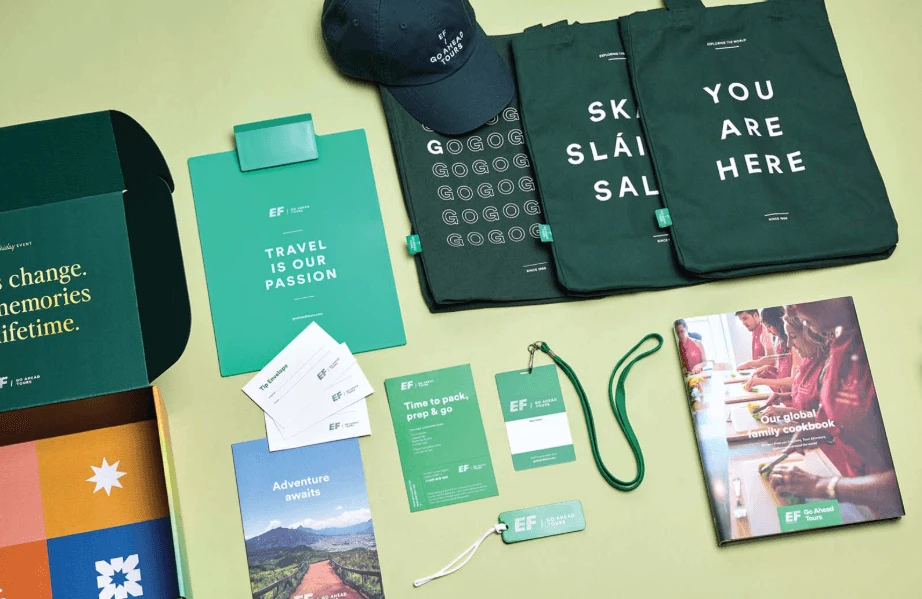
Branded merchandise is a powerful extension of your brand identity, and color consistency plays a crucial role here. A well-designed luxury branded merchandise kit can leave a lasting impression but only if it aligns with your brand’s visual language.
Imagine receiving a corporate gift set where each item uses slightly different shades or clashing colors. It instantly reduces the perceived value. Now compare that to a kit where every element from the packaging to the products follows a cohesive palette. The difference is striking. The latter feels curated, thoughtful, and premium.
Consistent color application across merchandise not only enhances aesthetic appeal but also reinforces brand recognition every time the item is used.
How to Maintain Color Consistency Across Channels?
- Develop a Clear Brand Color Guide
Start by defining your primary and secondary colors, along with exact codes (HEX, RGB, CMYK). This ensures that everyone working on your brand uses the same shades. - Use Templates and Design Systems
Create templates for social media, presentations, and marketing materials. This minimizes variation and keeps your visuals aligned. - Align Digital and Physical Branding
Make sure your online presence matches your offline materials. Your website, emails, packaging, and merchandise should all reflect the same color identity. - Audit Your Brand Regularly
Over time, inconsistencies can creep in. Regularly review your assets to ensure they still align with your color strategy.
Real-World Impact: From Visual Harmony to Business Growth
Brands that prioritize color consistency often experience stronger engagement and higher perceived value. When customers see a cohesive visual identity, they are more likely to trust the brand and view its offerings as premium.
This is especially important for businesses offering marketing solutions and branded merchandise. A cohesive approach demonstrates expertise and attention to detail qualities that clients actively look for when choosing a partner.
Final Thoughts
Color consistency is not just about aesthetics it’s a strategic tool that directly impacts how your brand is perceived. By maintaining a cohesive color palette across all touchpoints, you can instantly elevate your brand’s image, build trust, and create a more memorable experience.
Whether you’re designing a website, launching a campaign, or curating a luxury branded merchandise kit, remember that every color choice contributes to your overall brand story. When those choices are aligned, the result is a brand that looks more valuable, feels more professional, and leaves a lasting impression.





























Sign in to leave a comment.