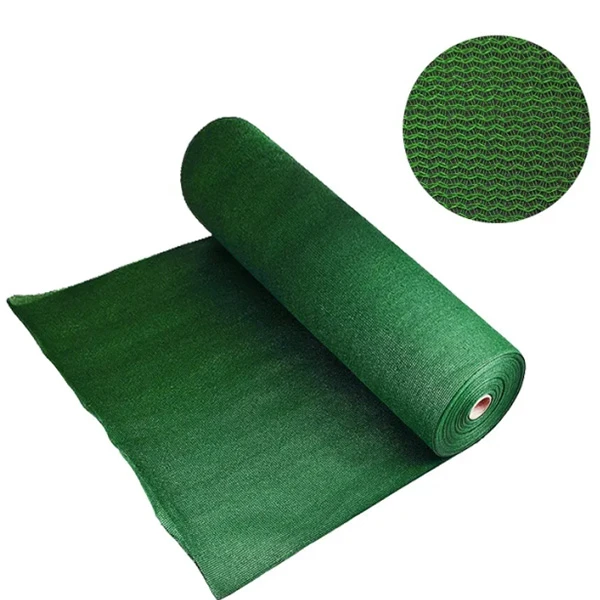

In the dynamic and often hazardous world of construction, progress is measured in steel and concrete, in floors added and structures reaching for the sky. Yet, beneath this visible advancement lies an invisible framework that is arguably more critical than any beam or column: a comprehensive culture of safety. Within this framework, few elements are as fundamental, as unobtrusively vital, as Construction Safety Nets. They are the silent guardians, the unseen protectors that form the backbone of a secure worksite. While hard hats, steel-toed boots, and safety harnesses are the visible symbols of a commitment to protection, safety nets operate on a different, more profound level. They represent a proactive, systemic approach to risk mitigation, providing a collective shield that protects not just individuals, but the entire project ecosystem.
The Unforgiving Reality of Gravity: The Primary Need for Fall Protection
At its core, construction safety is about managing one relentless and unforgiving force: gravity. Falls from height remain the leading cause of fatalities and serious injuries in the construction industry. A momentary lapse in concentration, a misplaced step, or a sudden equipment failure can lead to a tragedy with irreversible consequences. While personal fall arrest systems (PFAS), such as harnesses and lanyards, are crucial, they are a last line of defense. They are designed to arrest a fall after it has already begun. This arrest, while saving a life, subjects the worker to immense deceleration forces and can lead to its own set of serious injuries, including suspension trauma.
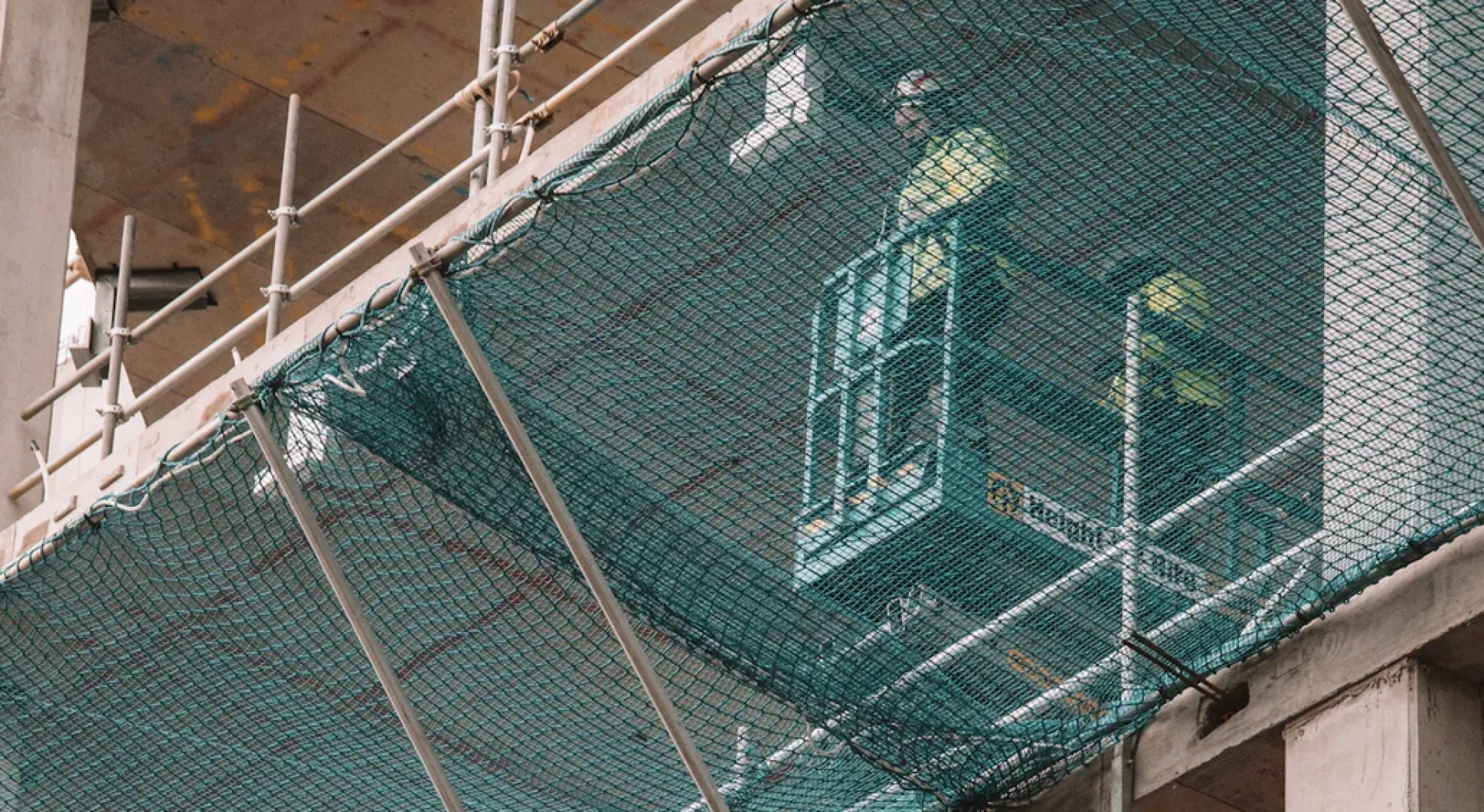
This is where the strategic value of Construction Safety Nets becomes clear. They function as a primary layer of protection. Their purpose is not to arrest a fall at the last moment, but to catch a falling person or object safely, decelerating them over a wider area and a longer distance. This significantly reduces the impact forces on the body, preventing the severe injuries associated with sudden stops. Consequently, safety nets create a "soft landing" zone that transforms a potentially fatal event into a survivable one. They are the ultimate expression of the "hierarchy of controls," a principle in safety management that prioritizes eliminating hazards over relying on personal protective equipment. By installing a net, you are actively creating a safer environment, rather than just relying on an individual's equipment to work perfectly in a crisis.
Beyond Personnel: The Critical Role of Debris Containment
A secure worksite is not just about protecting the workers on it; it's also about protecting the public and the surrounding property. Construction sites are inherently messy, and at height, even a small tool or piece of debris can become a dangerous projectile. A falling wrench, a piece of broken concrete, or even a loosely fastened piece of siding can cause serious injury to pedestrians below or damage to vehicles and adjacent buildings. This risk creates significant liability for the construction company and can strain community relations.
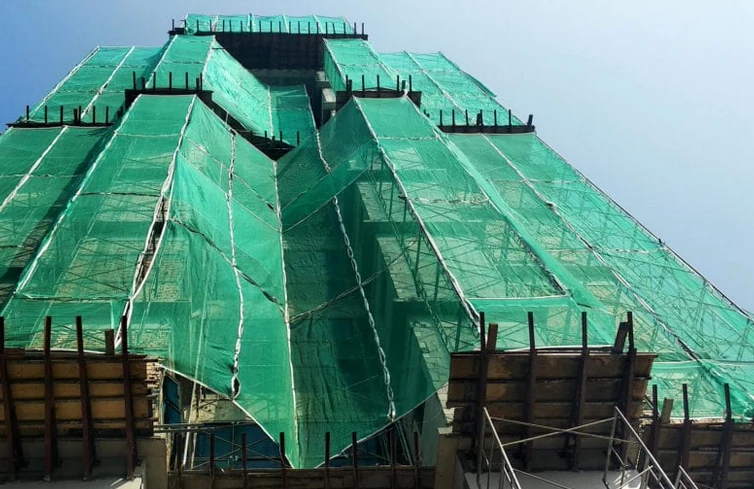
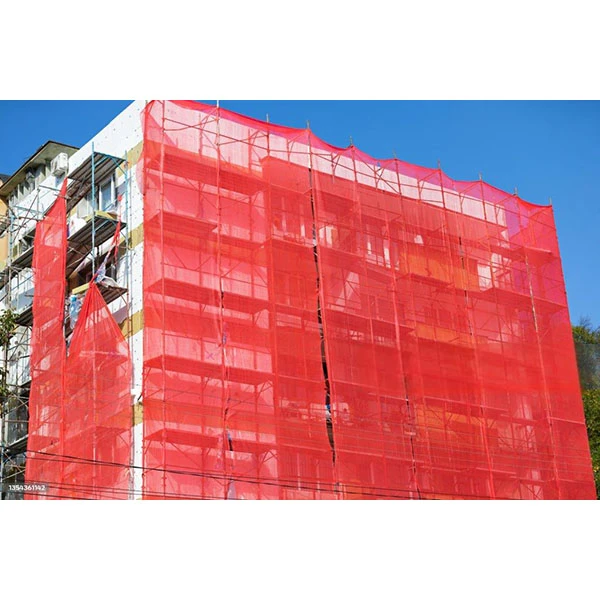
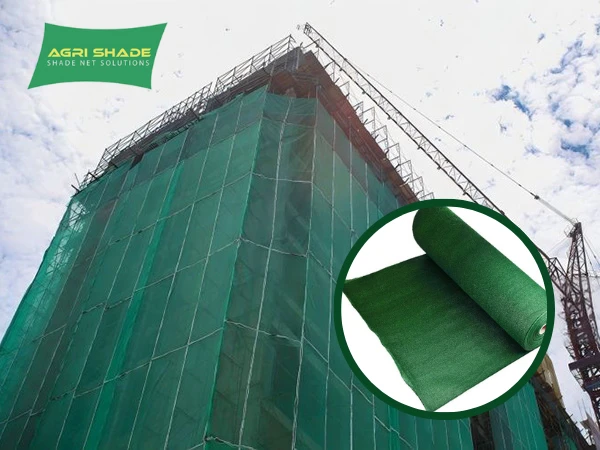
Therefore, Construction Safety Nets serve a dual purpose. Personnel safety nets are designed with larger mesh sizes to safely catch a person, but they are also highly effective at catching larger debris. For finer materials, specialized vertical debris netting is used. This fine-mesh netting is installed along the sides of scaffolding or building facades, acting as a curtain that contains dust, small tools, and other lightweight materials. This containment serves several critical functions. First and foremost, it drastically reduces the risk of public injury and property damage. Furthermore, it helps maintain a cleaner worksite by preventing materials from being scattered by wind. It can also contribute to environmental compliance by containing dust and particulate matter. In this capacity, safety nets are an essential tool for risk management and corporate responsibility, extending the zone of safety far beyond the site's perimeter.
-The Science of Safety: Understanding How Construction Safety Nets Work
The effectiveness of a safety net is not a matter of chance; it is a product of sophisticated engineering and material science. When an object or person strikes a net, the system must perform a complex task: it must absorb a tremendous amount of kinetic energy without failing. This is achieved through a combination of material properties, intelligent design, and precise installation.
The primary material used in high-quality Construction Safety Nets is High-Density Polyethylene (HDPE). This polymer is chosen for its exceptional strength-to-weight ratio. It is incredibly strong and resistant to abrasion, yet lightweight enough for practical installation and handling. At Qingdao Agrishade Mesh Co., Ltd., we use 100% virgin HDPE resin, ensuring consistent quality and performance. Furthermore, the HDPE is treated with advanced UV stabilizers. Construction sites expose nets to constant, direct sunlight, which can degrade polymers, making them brittle and weak over time. UV stabilization inhibits this degradation, ensuring the net retains its tensile strength and integrity throughout the project's duration, even in harsh climatic conditions.
The net's construction is equally critical. Most high-performance safety nets are made using a Raschel knitting process, which creates a robust, stable, and highly flexible mesh. The knots in this type of net are firm and secure, preventing the mesh from running or unraveling under load. The energy absorption happens in two ways. First, the individual fibers of the net stretch, converting kinetic energy into elastic potential energy. Second, and more importantly, the entire net system deforms, creating a "pocket" that catches the falling object. The perimeter ropes, connection points, and support structure all work together to distribute the immense forces of the impact across a wide area. This distribution is what prevents the net from tearing and what makes the landing survivable. The design must account for the minimum required clear fall distance, the sag of the net under load, and the energy absorption capacity, all of which are rigorously defined by international safety standards.
-A System, Not a Standalone Product: The Importance of Proper Installation
A high-quality safety net is only as effective as the system it is a part of. The net itself is just one component. The backbone of its performance is the complete installation system, which includes the border ropes, connection shackles, and the structural anchor points on the building. This system must be designed and installed by trained and competent personnel who understand the engineering principles involved.
The installation process begins with a thorough site-specific risk assessment. Engineers must determine the potential fall height, the maximum load the net might need to withstand (including the weight of a person and the dynamic force of the fall), and the most suitable anchor points on the structure. The border ropes, which are significantly stronger than the net mesh, must be tensioned correctly. This tension is what allows the net to deform properly and absorb energy. If the net is too loose, it may bottom out against a lower level, defeating its purpose. If it is too tight, it cannot deform enough, and the impact forces become dangerously high. Furthermore, all connection points must be secure and inspected regularly. At Qingdao Agrishade Mesh Co., Ltd., we not only provide the netting but also offer comprehensive guidance on best practices for installation, emphasizing that a safety net is a complete, engineered safety system.
-The Economic and Ethical Imperative: Why Investing in Safety Nets Pays Off
Some may view Construction Safety Nets as an added expense. However, this perspective is dangerously short-sighted. The cost of a comprehensive netting system pales in comparison to the catastrophic costs of a single serious accident. These costs are multifaceted and include:
- Direct Costs: Medical expenses, workers' compensation premiums, fines from regulatory bodies (like OSHA), and legal fees.
- Indirect Costs: Project delays, increased insurance premiums, damage to company reputation, loss of employee morale, and the time spent on investigations and paperwork.
Investing in a high-quality safety net system is a proactive measure that mitigates these immense financial risks. It is a clear demonstration of a company's commitment to its most valuable asset: its people. This commitment fosters a positive safety culture, where workers feel valued and protected. A strong safety culture leads to higher morale, increased productivity, and a better reputation in the industry, making it easier to attract and retain skilled labor. Ultimately, prioritizing safety is not just an ethical obligation; it is a sound business decision. It is an investment in operational stability, workforce well-being, and long-term profitability.
Qingdao Agrishade Mesh Co., Ltd.: Your Partner in Comprehensive Worksite Safety
Choosing the right supplier for your Construction Safety Nets is a critical decision. At Qingdao Agrishade Mesh Co., Ltd., we bring our extensive experience in manufacturing high-performance mesh products to the construction industry. We understand that safety cannot be compromised. Our commitment is reflected in every aspect of our product:
- Uncompromising Quality: We use only the finest 100% virgin HDPE, enhanced with industry-leading UV stabilizers to ensure maximum durability and lifespan.
- Adherence to Standards: Our manufacturing processes are aligned with stringent international standards, ensuring that our nets meet or exceed the required performance criteria for strength, energy absorption, and durability.
- Customized Solutions: We recognize that every project is unique. We offer a range of netting systems, including personnel nets and debris nets, with various mesh sizes, rope configurations, and dimensions to meet the specific needs of your worksite.
- Expert Support: Our team is dedicated to providing not just a product, but a solution. We offer technical guidance and support to help you select the right system and ensure it is implemented effectively.
Construction Safety Nets are far more than a simple piece of equipment. They are the backbone of a secure worksite, a foundational element of a robust safety culture. They provide a proactive, collective defense against the primary risks of working at height, protecting workers, the public, and the project itself. By understanding the science behind their design and investing in a high-quality, properly installed system, construction companies can build more than just structures; they can build an environment where safety is the unwavering foundation upon which all progress is made.
Frequently Asked Questions (FAQ)
Q1: What is the difference between a personnel safety net and a debris net?
A: The primary difference lies in their purpose, mesh size, and load-bearing capacity.
-Personnel Safety Nets: These are designed to catch a falling person. They feature a larger mesh size (typically around 60mm to 100mm) to reduce air resistance and prevent the "trampoline" effect, while still effectively catching a body. They are constructed with high-tenacity ropes and must meet strict standards for energy absorption.
-Debris Nets: These are designed to contain falling objects like tools, bricks, and construction materials. They have a much smaller mesh size (as small as 10mm or less) to prevent small items from passing through. Vertical debris netting is a common type used to wrap scaffolding. While strong, their load requirements are different from personnel nets.
It is crucial to use the correct type of net for the intended hazard. Using a debris net for personnel fall protection would be a catastrophic failure.
Q2: How often do construction safety nets need to be inspected?
A: Safety nets must be inspected regularly to ensure they remain in a safe and serviceable condition. The frequency of inspections depends on regulations and the specific site conditions, but a general guideline is:
-Formal Inspection: A thorough, documented inspection should be conducted by a competent person at least weekly, or after any significant event, such as a storm, a fall into the net, or any impact that could affect its integrity.
-Visual Inspection: Workers and supervisors should perform a quick visual check of the nets and their fixings at the start of each shift.
During an inspection, you should look for cuts, abrasions, UV degradation (fading or brittleness), damaged knots, broken or loose border ropes, and faulty connection points. Any net found to be defective must be immediately removed from service and replaced.
Q3: Are your construction safety nets compliant with international safety standards?
A: Yes, at Qingdao Agrishade Mesh Co., Ltd., we are committed to manufacturing products that meet and exceed international safety standards. Our Construction Safety Nets are produced in accordance with key regulations such as the European standard EN 1263-1 and the American standard OSHA 1926.502. These standards dictate specific requirements for material strength, mesh size, energy absorption capacity, testing procedures, and installation guidelines. When you purchase from us, you can be confident that you are receiving a product engineered for maximum safety and performance.
Q4: What is the typical lifespan of a construction safety net?
A: The lifespan of a safety net depends heavily on its usage, care, and exposure to environmental factors. A net that is properly installed, regularly inspected, and protected from sharp edges and chemical contaminants can last for several years. The most significant factor affecting lifespan is UV exposure. This is why our nets are manufactured with high-grade UV stabilizers. However, even with this protection, the net's strength will gradually degrade over time. We recommend following the manufacturer's guidelines and replacing any net that shows signs of significant wear, UV damage, or has been subjected to a major impact.
Q5: Can safety nets be repaired if they get damaged?
A: It depends on the extent and location of the damage. Minor damage, such as a small cut or a broken mesh strand, can often be repaired using a special repair cord or patch kit specifically designed for safety nets. These repairs must be carried out by a competent person following the manufacturer's instructions. However, there are situations where a net must be taken out of service immediately. This includes damage to the border ropes, multiple large holes in close proximity, damage near a connection point, or any damage that compromises the overall integrity and energy-absorbing capacity of the net. When in doubt, the safest course of action is always to replace the net.





























Sign in to leave a comment.