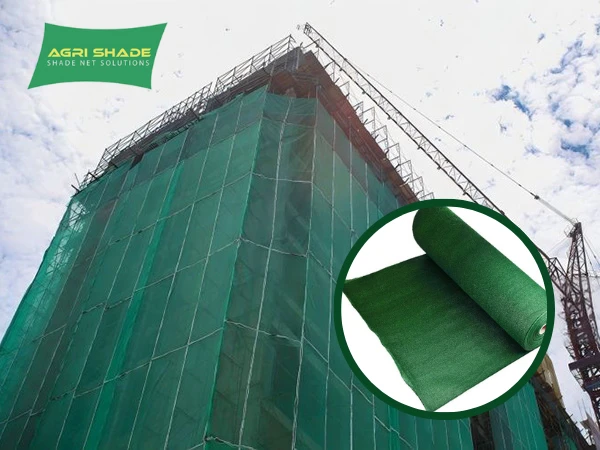

In the ever-evolving world of construction, safety remains the cornerstone of every successful project. As building designs become more ambitious and construction sites more complex, the need for advanced safety solutions has never been greater. Among the most essential and versatile tools in the modern builder’s arsenal are Construction Safety Nets. Traditionally used to prevent falls and protect workers, these nets have undergone significant innovation, expanding their role far beyond basic safety measures.
At Qingdao Agrishade Mesh Co., Ltd., we recognize that today’s construction projects demand more than just compliance—they require proactive, adaptable, and innovative approaches to risk management. Construction Safety Nets are no longer limited to catching falling debris or safeguarding workers at height. Instead, they are being integrated into building projects in creative ways that enhance efficiency, sustainability, and overall site management.

Understanding Construction Safety Nets
What Are Construction Safety Nets?
Construction Safety Nets are strong, flexible mesh structures made from high-density polyethylene (HDPE), nylon, or polypropylene. They are engineered to absorb the impact of falling objects or people, thereby reducing the risk of injury or damage on construction sites. These nets are available in various sizes, mesh densities, and strengths to suit different applications and safety requirements.
Key Features of Construction Safety Nets
- High Tensile Strength: Designed to withstand heavy loads and impacts.
- UV and Weather Resistance: Treated to endure prolonged exposure to sunlight, rain, and wind.
- Customizable Sizes and Shapes: Can be tailored to fit unique site layouts and project needs.
- Easy Installation and Removal: Lightweight and flexible for quick deployment and repositioning.
- Compliance with Safety Standards: Manufactured to meet or exceed international safety regulations.
Traditional Uses of Construction Safety Nets
It’s important to understand the traditional roles of Construction Safety Nets:
- Fall Protection: Installed at various heights to catch workers or equipment that may fall from scaffolding, platforms, or building edges.
- Debris Containment: Prevents construction debris, tools, and materials from falling onto workers or pedestrians below.
- Perimeter Safety: Acts as a barrier around the edges of buildings or scaffolding to prevent accidental falls.
While these uses remain critical, the construction industry is now leveraging safety nets in new ways to address emerging challenges and opportunities.
Innovative Uses of Construction Safety Nets in Modern Building Projects
1. Temporary Work Platforms
Construction Safety Nets can be tensioned horizontally to create temporary work platforms or “net floors.” These platforms provide safe, flexible access for workers during tasks such as facade installation, painting, or maintenance, especially in high-rise projects where traditional scaffolding may be impractical.
2. Vertical Enclosures for Dust and Debris Control
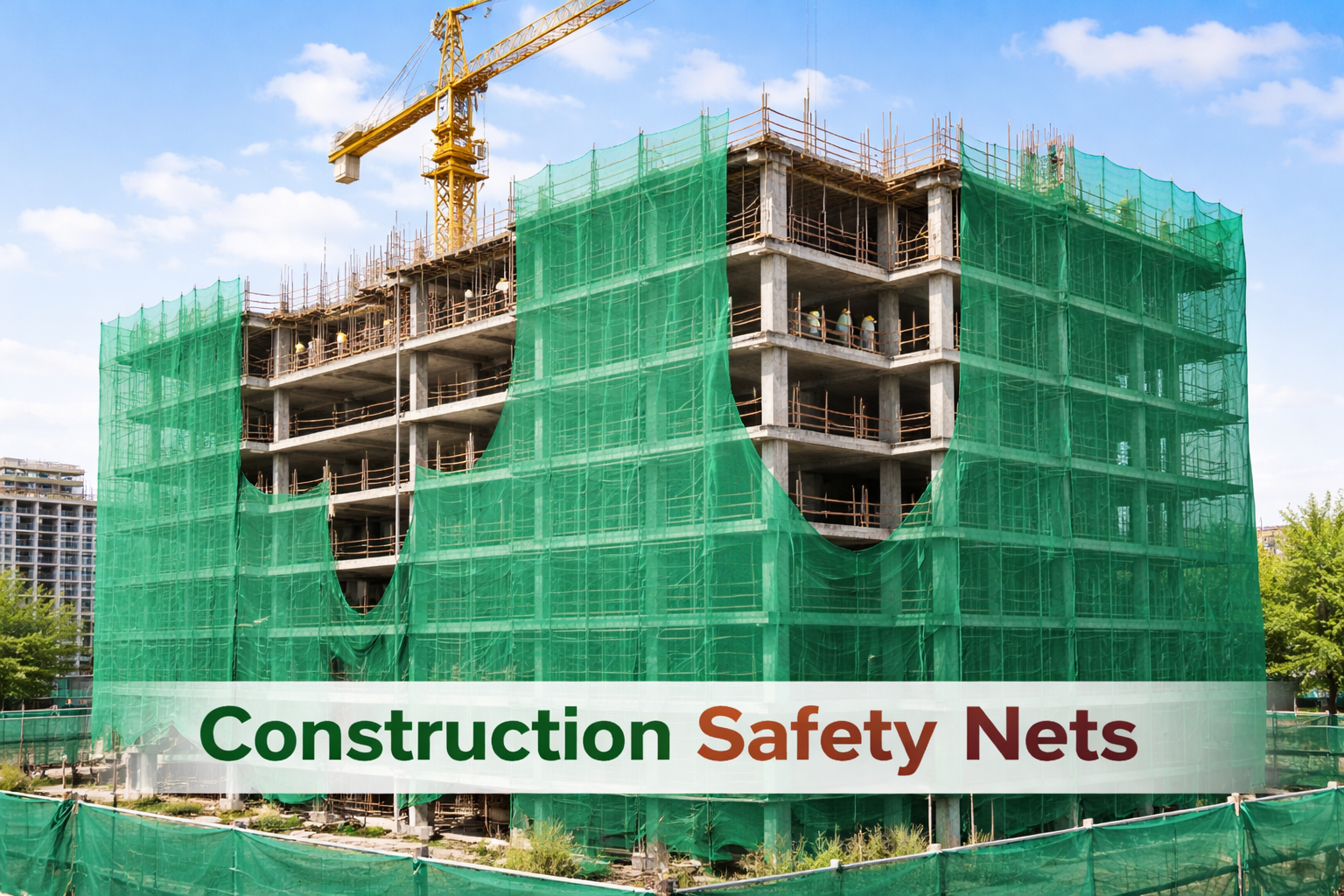
Modern building sites often require strict dust and debris management, particularly in urban environments. Safety nets can be installed vertically around the perimeter of a structure to contain dust, prevent debris from escaping, and protect neighboring properties and public spaces.
3. Wind and Weather Barriers
By using specially designed mesh, Construction Safety Nets can act as windbreaks, reducing wind speed on scaffolding or open floors. This not only improves worker comfort and safety but also minimizes the risk of materials being blown off the site.
4. Protection for Adjacent Structures and Pedestrian Areas
In dense urban settings, safety nets are increasingly used to shield adjacent buildings, sidewalks, and roads from falling objects. This proactive approach helps maintain good community relations and reduces liability for contractors.
5. Safety for Bridge and Infrastructure Projects
On bridges, overpasses, and elevated roadways, Construction Safety Nets are used to catch falling tools, materials, or even vehicles, providing an extra layer of protection for workers and the public below.
6. Support for Green Construction Initiatives
Some innovative projects use Construction Safety Nets as temporary supports for green walls, vertical gardens, or facade plantings during the establishment phase. Once plants are established, the nets can be removed or integrated into the final design.
7. Noise Reduction Barriers
Certain types of safety nets, when combined with sound-absorbing materials, can help reduce noise pollution from construction activities, benefiting both workers and nearby residents.
8. Fire Retardant Applications
Fire retardant safety nets are now available for use in high-risk environments, providing additional protection during hot work or in areas where flammable materials are present.
9. Custom Branding and Project Messaging
Construction Safety Nets can be printed with company logos, safety messages, or project information, turning a safety requirement into a marketing and communication tool.
10. Reusable and Sustainable Solutions
With growing emphasis on sustainability, many contractors are choosing reusable safety nets that can be relocated from project to project, reducing waste and environmental impact.
Key Considerations for Selecting and Using Construction Safety Nets
1. Project Requirements
Assess the specific risks and needs of your project—height, type of work, proximity to public areas, and environmental conditions.
2. Material and Mesh Size
Choose the appropriate material (HDPE, nylon, polypropylene) and mesh size based on the type of debris or objects to be contained.
3. Load Capacity and Certification
Ensure the net meets or exceeds relevant safety standards and is rated for the expected loads and impacts.
4. Installation and Maintenance
Proper installation is critical for effectiveness. Work with experienced professionals and conduct regular inspections to ensure the nets remain secure and undamaged.
5. Customization and Accessories
Consider custom sizes, shapes, and accessories such as edge ropes, hooks, or tensioning systems for optimal fit and performance.
Installation and Maintenance Tips
- Plan Ahead: Integrate safety net installation into the project timeline to avoid delays.
- Use Qualified Installers: Ensure nets are installed by trained personnel following manufacturer guidelines.
- Inspect Regularly: Check for wear, damage, or improper tension and repair or replace as needed.
- Document Compliance: Keep records of inspections, certifications, and maintenance for regulatory compliance and project documentation.
- Store Properly: When not in use, store nets in a dry, shaded area to prolong their lifespan.
Also Read: Step-by-Step Guide to Install Construction Safety Nets
Why Choose Construction Safety Nets from Qingdao Agrishade Mesh Co., Ltd.?
At Qingdao Agrishade Mesh Co., Ltd., we are committed to providing high-quality, innovative Construction Safety Nets tailored to the demands of modern building projects. Our products are manufactured using advanced materials and processes to ensure superior strength, durability, and compliance with international safety standards.
Our advantages include:
- Wide range of mesh sizes, materials, and custom options
- UV-stabilized and weather-resistant nets for long-term use
- Fire-retardant and reusable options available
- Fast delivery and responsive customer service
- Technical support and installation guidance
Construction Safety Nets have evolved from simple fall protection tools to multifunctional solutions that address a wide range of challenges in modern building projects. By embracing innovative uses—from temporary work platforms to dust control and green construction—contractors can enhance safety, efficiency, and sustainability on every job site. At Qingdao Agrishade Mesh Co., Ltd., we are dedicated to supporting your projects with high-quality, customizable safety nets and expert guidance.
Frequently Asked Questions (FAQ)
1. What is the lifespan of Construction Safety Nets?
High-quality safety nets from Qingdao Agrishade Mesh Co., Ltd. can last several years, depending on usage, environmental conditions, and maintenance.
2. Are Construction Safety Nets reusable?
Yes, many of our nets are designed for multiple uses and can be relocated to different projects, making them a sustainable choice.
3. Can safety nets be customized for unique project needs?
Absolutely. We offer custom sizes, shapes, colors, and accessories to fit your specific requirements.
4. How do I ensure my safety nets meet regulatory standards?
All our nets are manufactured to meet or exceed international safety standards. We provide certification and documentation upon request.
5. What maintenance is required for Construction Safety Nets?
Regular inspections for wear, damage, and proper tension are essential. Clean nets as needed and store them properly when not in use.
6. Can safety nets be used in all weather conditions?
Our nets are UV-stabilized and weather-resistant, suitable for use in a wide range of climates. For extreme conditions, consult our technical team for the best solution.
7. Are fire retardant safety nets available?
Yes, we offer fire retardant options for high-risk environments or projects with specific fire safety requirements.
8. Can safety nets help with dust and noise control?
Yes, certain net designs can help contain dust and, when combined with sound-absorbing materials, reduce noise pollution.
9. How do I install Construction Safety Nets?
We recommend professional installation for maximum safety and effectiveness. Our team can provide guidance and support as needed.
10. How do I order Construction Safety Nets from Qingdao Agrishade Mesh Co., Ltd.?
Contact our sales team with your project details, including dimensions, required mesh size, and any customization needs. We will provide a tailored solution and guide you through the ordering process.

























Sign in to leave a comment.