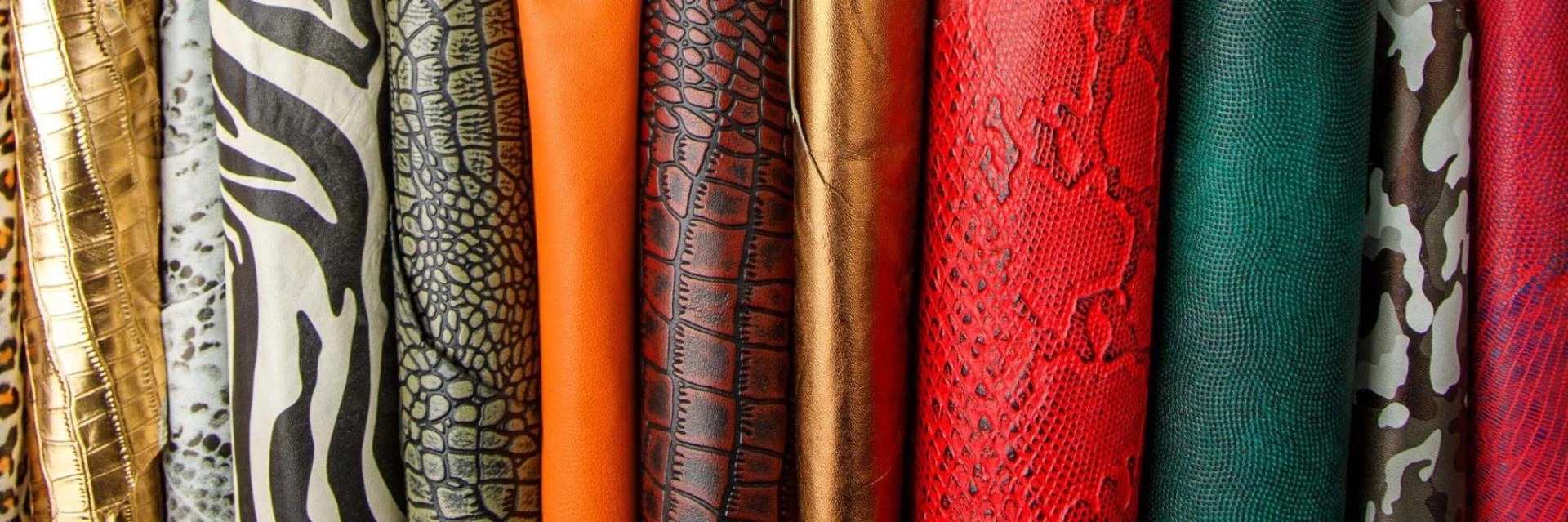

The modern fashion industry is experiencing a noticeable return to authentic materials. Consumers today value quality over quantity. They want products that last, age beautifully, and reflect craftsmanship. Leather fashion has responded to this demand by focusing on natural hides rather than synthetic substitutes. Designers are revisiting traditional materials and elevating them through contemporary design.
This shift is not driven by nostalgia alone. It is influenced by sustainability concerns, durability expectations, and evolving lifestyle preferences. Leather pieces are no longer just accessories. They are long-term investments. As trends move away from disposable fashion, genuine hides are becoming central to premium collections. This growing preference has reshaped sourcing decisions and production methods across the fashion world. Natural leather now represents reliability, elegance, and timeless appeal.
The Rise of Natural Leather in Contemporary Fashion
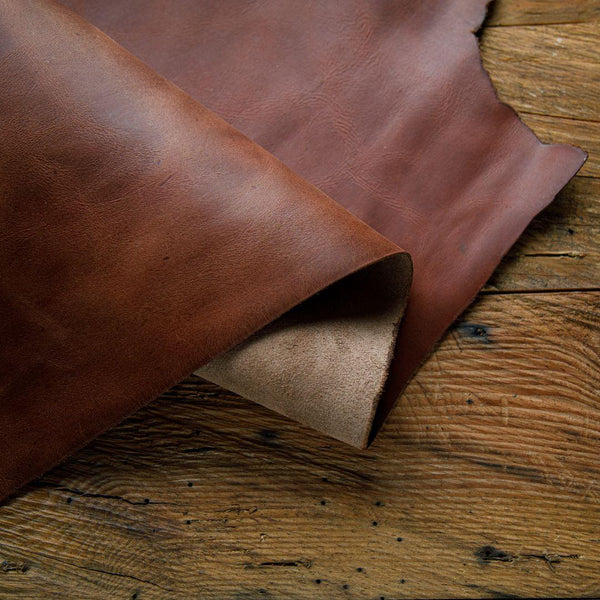
Fashion trends evolve quickly, but some materials consistently maintain relevance. Natural leather has regained popularity because it offers a balance between strength and beauty. Designers appreciate materials that perform well under daily use. Consumers want fashion that adapts to their lifestyle. In the center of this movement stands Cowhide, valued for its durability and natural texture.
This material holds structure while remaining flexible. It supports detailed stitching and creative finishes. Unlike artificial alternatives, it develops character over time. Each piece becomes unique through wear. Fashion houses now highlight raw textures and organic patterns. These elements reflect authenticity and craftsmanship. Cowhide adapts easily to modern silhouettes. It works equally well in minimal designs and bold statement pieces. This versatility explains its dominance across luxury and everyday fashion lines.
What Makes Cowhide a Premium Leather Choice
Quality defines premium fashion materials. Cowhide meets this standard through its dense fiber structure. This density allows it to resist stretching and tearing. It also supports long-term use without losing shape. The tanning process enhances these qualities. Properly treated hides maintain softness while preserving strength. Designers prefer materials that perform well under stress.
Cowhide responds well to cutting, stitching, and shaping. It allows precision during production. Natural grain patterns add visual depth without artificial enhancement. These patterns differ from hide to hide. That uniqueness increases perceived value. Premium leather also needs to age gracefully. Cowhide develops a rich patina rather than cracking. This aging process adds character and charm. These qualities position cowhide as a trusted material for high-end leather fashion.
Fashion Applications Driving Market Demand
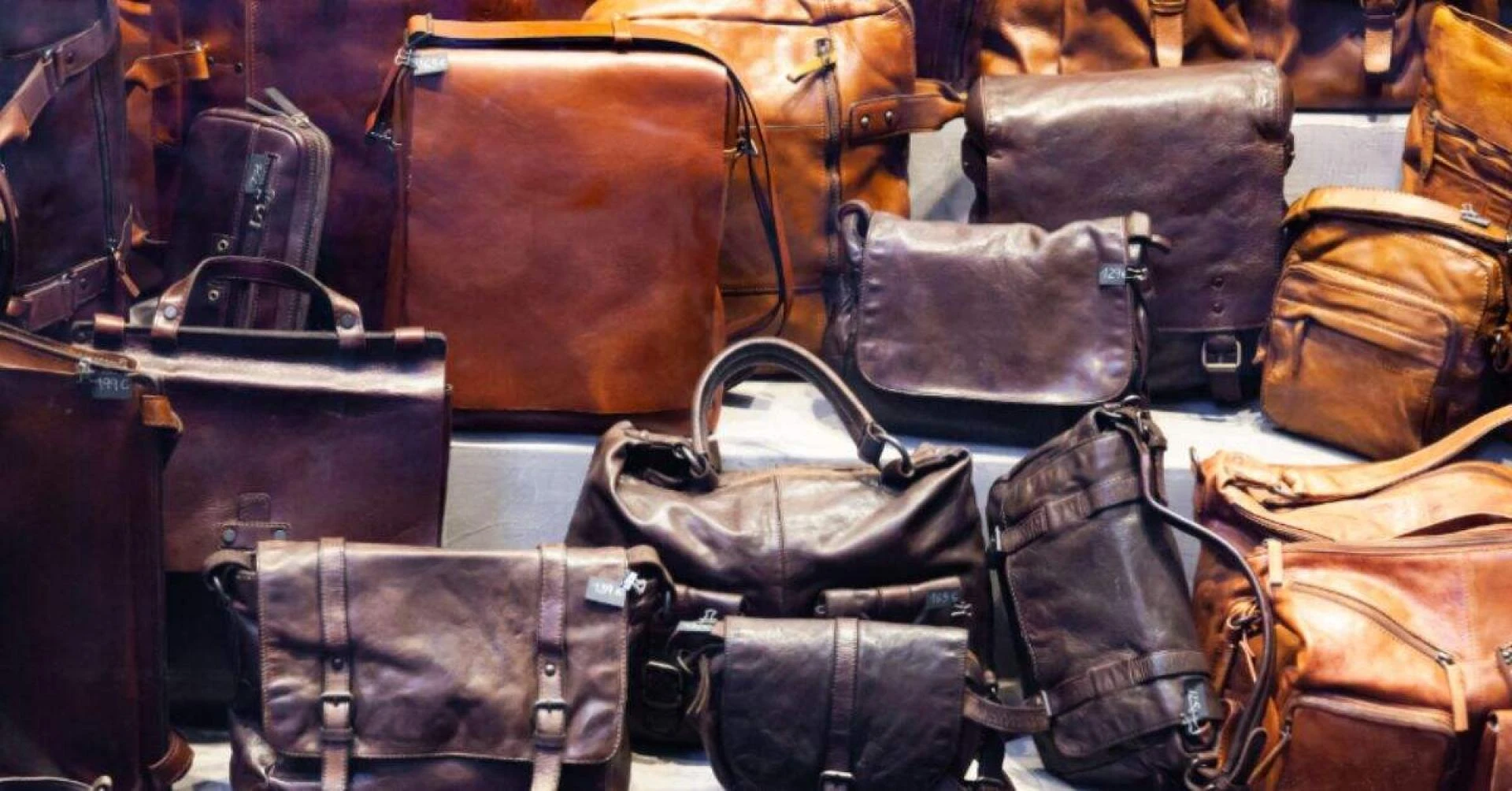
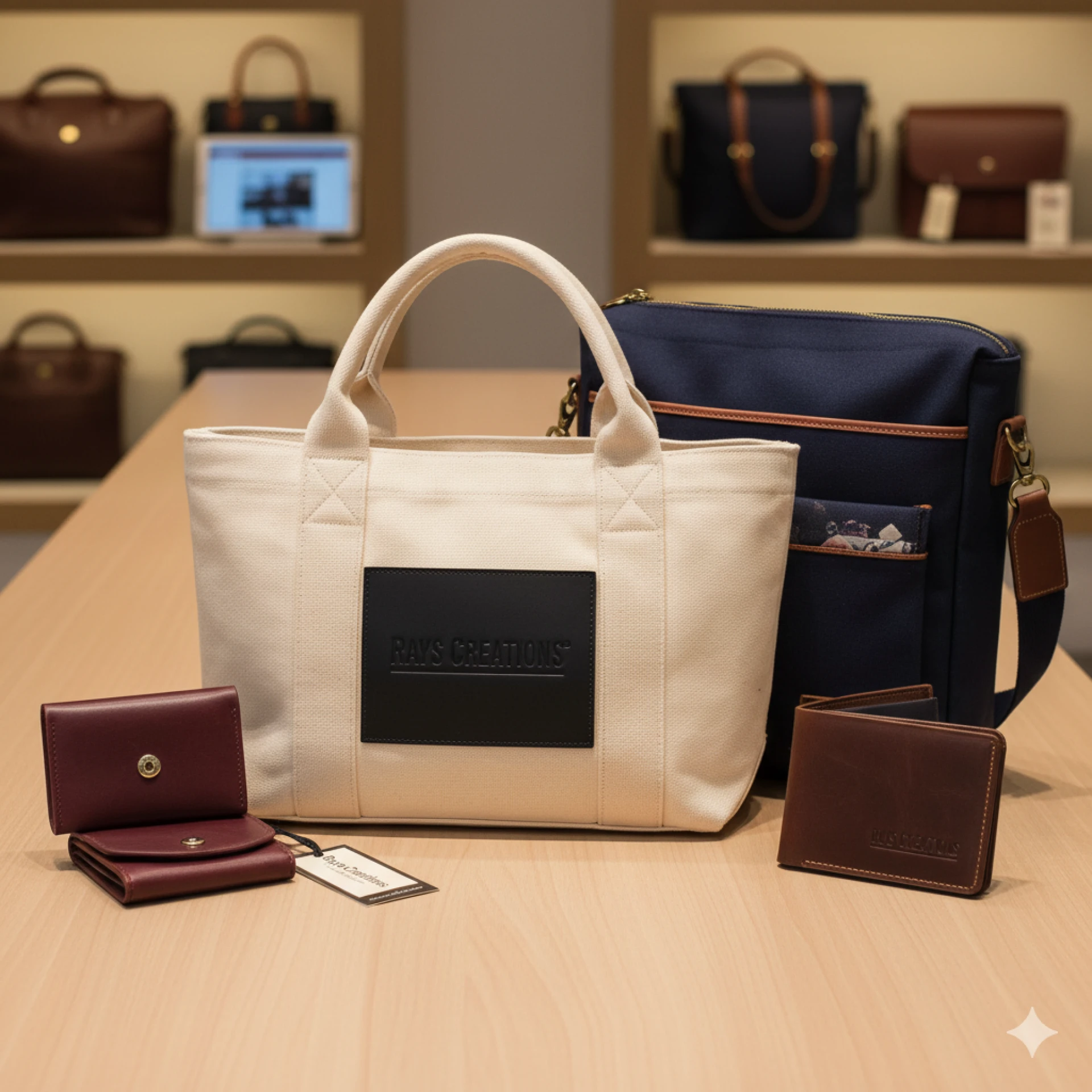
Cowhide plays a key role in modern fashion collections. Handbags remain one of the most popular applications. Designers rely on this material for structured bags that maintain form. Jackets crafted from premium hides offer warmth and durability. They adapt to seasonal fashion changes easily. Footwear benefits from cowhide’s strength and comfort. Shoes made from quality hides mold to the foot over time. Belts and accessories require materials that resist daily wear.
Cowhide meets these functional demands without sacrificing style. A secondary keyword like genuine leather fashion fits naturally here, reflecting how designers market these products. The ability to dye and finish cowhide supports diverse color palettes. From neutral tones to bold shades, the material responds consistently. This adaptability drives continued demand across fashion categories.
Sustainability and Responsible Leather Production
Sustainability influences modern buying decisions. Cowhide is often a byproduct of the food industry. This reduces waste and supports responsible resource use. Ethical sourcing has become a priority for manufacturers. Many producers now follow strict environmental standards. Tanning processes have improved significantly. Vegetable tanning uses plant-based extracts. It minimizes chemical impact while enhancing leather quality. Long-lasting leather reduces consumption frequency.
Consumers buy fewer items but use them longer. This shift supports sustainable fashion goals. Transparency in sourcing builds trust with buyers. Brands that explain material origins gain credibility. Cowhide aligns with these values when sourced responsibly. It offers durability without compromising environmental awareness. This balance makes it suitable for modern fashion markets seeking ethical solutions.
How to Identify High-Quality Cowhide Products
Choosing the right cowhide product requires attention to detail. Buyers should examine surface consistency. Natural markings are normal, but excessive flaws reduce quality. Thickness should feel even across the hide. Flexibility is another key indicator. High-quality leather bends without cracking. Smell also matters. Genuine leather has a natural scent, not a chemical odor. Tanning methods affect longevity. Well-tanned hides resist moisture and wear. Stitching quality reflects overall craftsmanship.
Clean, tight stitches indicate professional production. Buyers should also consider intended use. Fashion accessories need softer finishes. Structured items require firmer hides. Understanding these differences helps buyers make informed decisions. Investing in quality ensures better performance and appearance over time.
Buying Trends and Market Accessibility
The leather market has expanded beyond physical stores. Buyers now research materials before purchasing. Online platforms provide access to global suppliers. This has increased competition and transparency. Product descriptions have become more detailed. Images show texture and grain clearly.
Customer reviews influence purchasing decisions. Buyers seek reliability and consistency. The demand for leather upholstery hides has also grown. These hides serve both fashion and interior needs. Designers appreciate materials that cross categories. This versatility increases value. Buyers now expect detailed specifications and care instructions. Accessibility has improved, but informed choices remain essential. Understanding material grades and finishes protects buyers from disappointment.
Conclusion
Cowhide continues to shape modern leather fashion through quality, versatility, and authenticity. Its ability to meet functional and aesthetic demands keeps it relevant. Designers rely on it for dependable performance.
Consumers trust it for long-term value. As fashion evolves, materials that balance tradition and innovation lead the way. Leather Hub stands out by focusing on craftsmanship and quality sourcing. Choosing well-made cowhide products ensures timeless style and lasting satisfaction.
FAQs
Why is cowhide considered better than synthetic leather?
Cowhide offers natural durability, breathability, and aging characteristics that synthetic materials cannot replicate over long-term use.
How long do cowhide fashion products typically last?
With proper care, high-quality cowhide products can last decades while developing a richer appearance over time.
Is cowhide suitable for everyday fashion items?
Yes, its strength and flexibility make it ideal for daily-use items like bags, jackets, and footwear.
Does cowhide require special maintenance?
Basic conditioning and proper storage help preserve softness and prevent cracking.
Can cowhide be used for both fashion and interior design?
Absolutely, its versatility allows use in apparel, accessories, and decorative applications.




















Sign in to leave a comment.