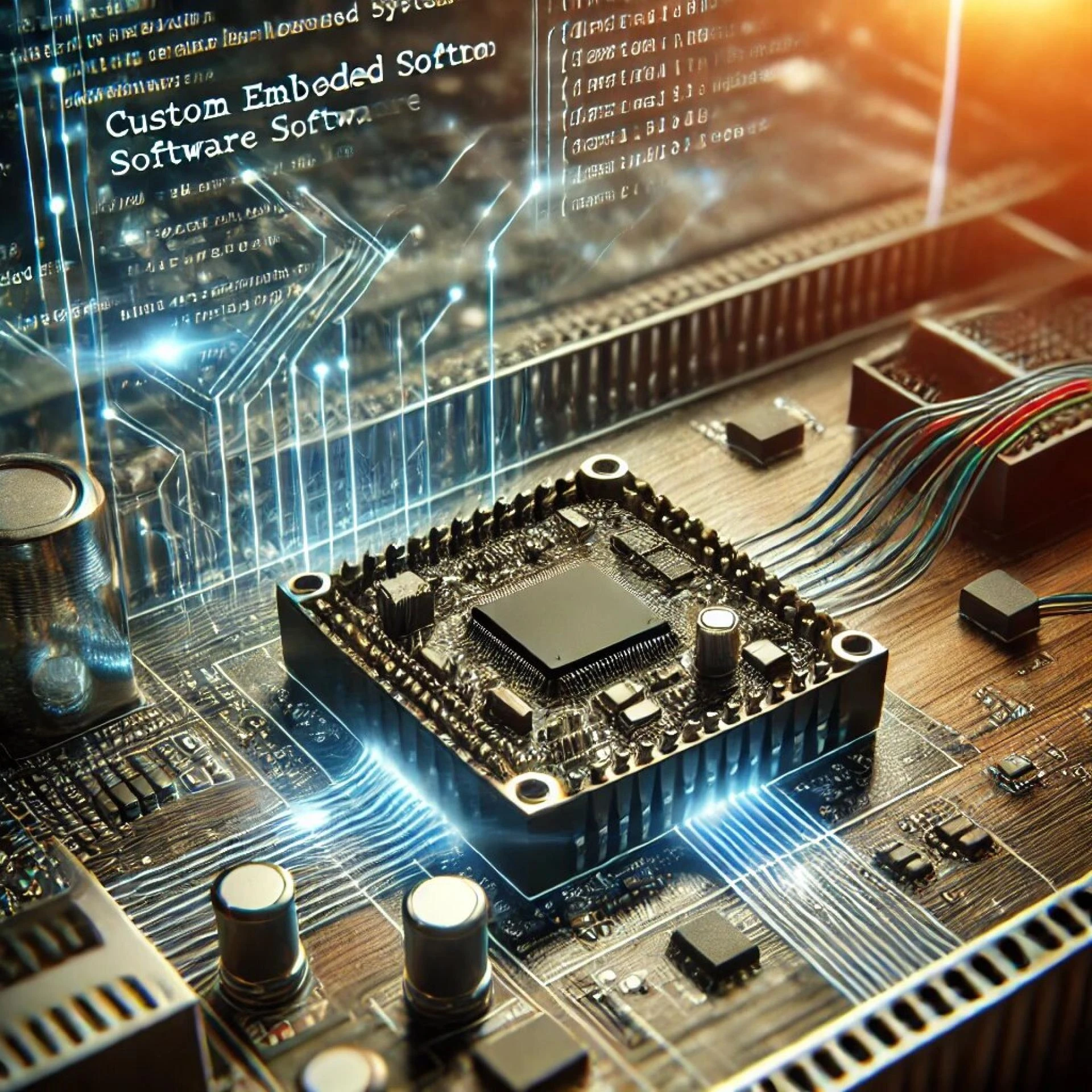

In today’s digital world, the use of technology is everywhere. Embedded systems are a key part of this technology, from smartphones and smart appliances to medical devices and automotive systems. These systems rely heavily on embedded software to function correctly and efficiently. While there are general software solutions available, custom embedded software has distinct advantages for specific needs. Let’s dive into why custom embedded software is essential for your system.
What is Embedded Software?
Before exploring why custom embedded software is important, it’s helpful to understand what embedded software is. Embedded software refers to a specialized program that runs on hardware and is designed to perform specific tasks. Unlike general-purpose software that can run on a wide range of devices, embedded software is tailored to a particular system or product. It interacts directly with the hardware to control and manage various functions of the system.
Benefits of Custom Embedded Software
1. Optimized Performance
One of the main reasons to use custom embedded software is that it is optimized for your specific system. Off-the-shelf software solutions may work for general applications, but they are not designed to handle the unique requirements of your system. Custom embedded software allows you to fine-tune performance and ensure that your system works as efficiently as possible.
By tailoring the software to your hardware, you can minimize resource consumption like memory and processing power. This ensures that your system runs smoothly without wasting valuable resources. For instance, if you are developing a wearable fitness tracker, custom software can be created to optimize battery life, making the device last longer on a single charge.
2. Greater Flexibility
Custom embedded software offers greater flexibility in terms of functionality. General-purpose software may not have the features you need, or it may have unnecessary features that slow down your system. With custom software, you can build exactly what you need and leave out what you don’t. This level of customization ensures that your system is built for your specific requirements.
Whether you need your system to interact with other devices, respond to user input in a particular way, or handle complex tasks, custom embedded software can be created to support those needs. The flexibility of custom software ensures that your system can evolve as your needs change.
3. Increased Security
Security is one of the most critical concerns in today’s connected world. With the rise of cyber-attacks and data breaches, ensuring that your embedded system is secure is vital. Custom embedded software allows you to integrate security measures directly into the design of your system.
Off-the-shelf software may have vulnerabilities or unnecessary features that expose your system to threats. By creating custom software, you can implement robust security features such as encryption, secure boot processes, and data protection protocols. Additionally, custom software allows you to address specific security concerns unique to your system.
4. Reduced Time to Market
It may seem counterintuitive, but custom embedded software can actually help you get your product to market faster. While off-the-shelf solutions may seem like a quick fix, they often come with limitations or require additional workarounds to make them fit your system. Custom embedded software, on the other hand, can be designed from the start to fit your needs, avoiding unnecessary adjustments or delays.
Additionally, working with a development team experienced in custom embedded software means they can work alongside your engineering team to make the entire development process more efficient. By reducing compatibility issues and avoiding the need for constant troubleshooting, custom software can streamline the development process.
5. Better Integration with Hardware
One of the key advantages of custom embedded software is its seamless integration with hardware. When software is built specifically for your hardware, it ensures that the two work together optimally. This is especially important in embedded systems where hardware and software must be tightly coupled for optimal performance.
For example, in automotive applications, embedded software must interact with various sensors, actuators, and control systems in real-time. Custom software ensures that the communication between the hardware components is efficient, which can significantly improve the overall system’s reliability and performance.
6. Long-Term Support and Maintenance
Another benefit of custom embedded software is the ability to receive long-term support and maintenance. Off-the-shelf software may not receive regular updates or patches, especially for niche or specialized applications. With custom software, the development team that created it can offer ongoing support and updates, ensuring that your system remains up to date and secure over time.
As technology advances, your system may need to evolve to meet new standards or requirements. Custom embedded software can be easily modified or upgraded to keep up with these changes, providing long-term value and future-proofing your system.
7. Cost Efficiency in the Long Run
While custom embedded software may require a larger initial investment compared to off-the-shelf solutions, it can be more cost-effective in the long run. Off-the-shelf software may require licensing fees, ongoing subscription costs, or costly customization efforts to make it work for your system. On the other hand, custom software, once developed, doesn’t come with these recurring expenses.
Additionally, the optimized performance and tailored features of custom embedded software can lead to significant savings in terms of energy efficiency, hardware requirements, and maintenance. By reducing unnecessary overhead, custom software can improve the overall cost-efficiency of your system over time.
When Should You Choose Custom Embedded Software?
Custom embedded software is particularly valuable when you need a system to perform specific tasks or integrate seamlessly with unique hardware. Industries like healthcare, automotive, industrial automation, and consumer electronics often require custom embedded software to meet strict performance, security, and reliability standards. If your system has specific requirements that cannot be met with off-the-shelf software, investing in custom development is the right choice.
Conclusion
Custom embedded software is essential for ensuring that your system meets its performance, security, and functionality needs. From optimizing performance and increasing flexibility to providing long-term support, custom software offers numerous benefits that off-the-shelf solutions simply cannot match. If you want a system that is tailored to your exact requirements, integrates smoothly with hardware, and provides reliable performance over time, custom embedded software is the way to go. Whether you’re developing a consumer product or an industrial solution, custom embedded software ensures that your system functions at its best.




























Sign in to leave a comment.