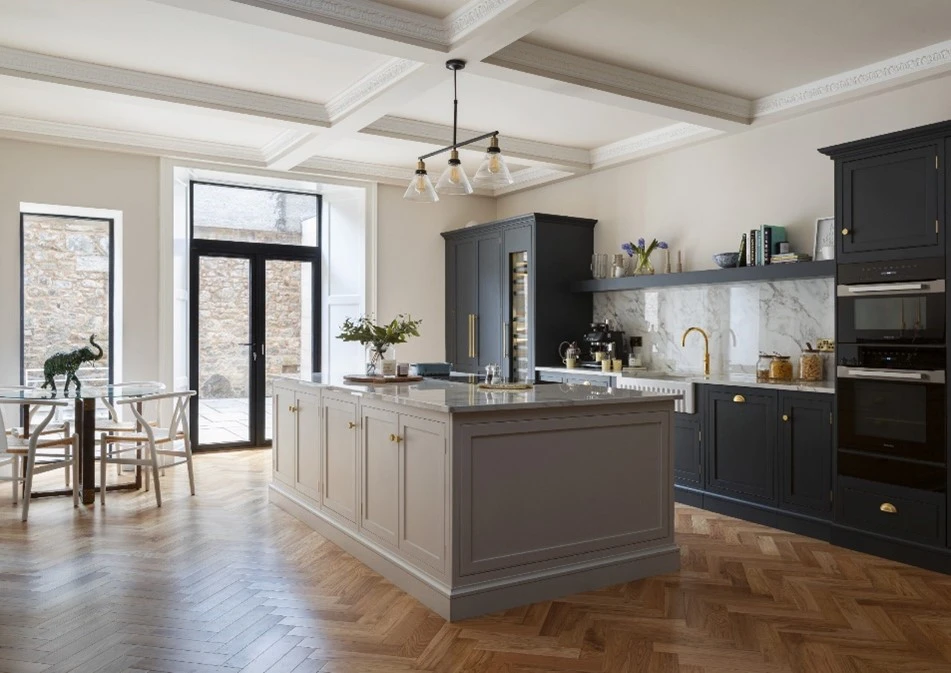

Are you someone who loves the look of showroom kitchens, but still worries that they won't fit the way you actually cook, tidy, or host? That instinct is usually the first clue that you're comparing "picked from a range" versus "planned around you." Standard kitchens are built to suit the widest set of homes and budgets. Modern bespoke kitchens often feel more considered because the design starts with your space and routines, then translates them into layout, storage, lighting, and finish choices that make everyday use simpler.
In this blog, we will discuss why bespoke kitchens often feel more concerned when compared with traditional and standard designs.
What "More Considered" Really Means
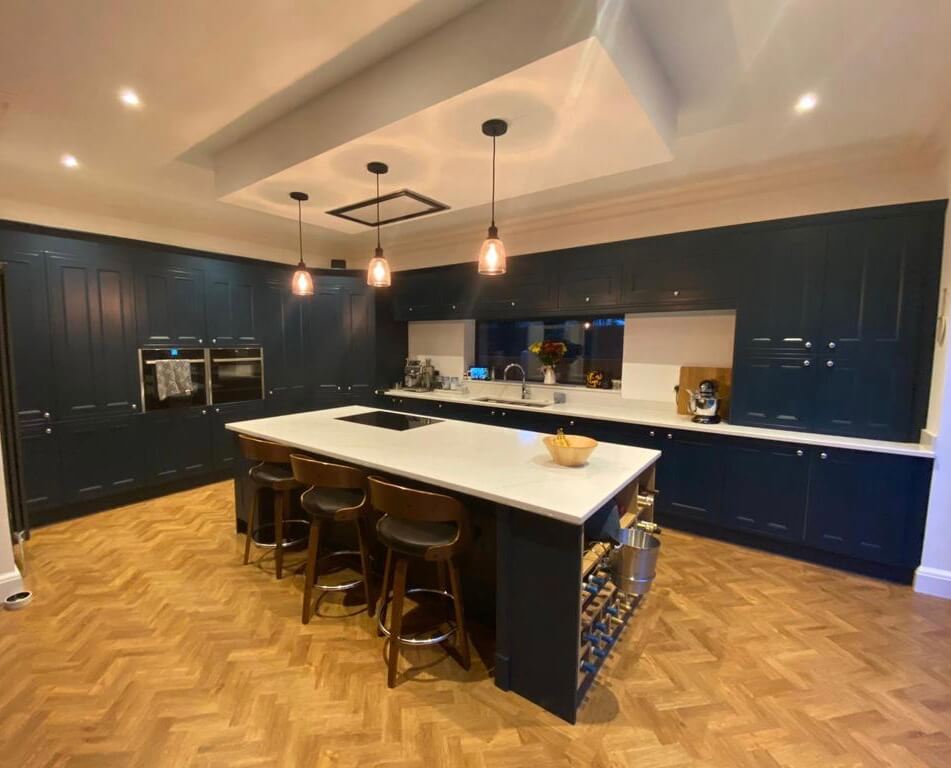
A considered kitchen isn't just stylish. It's a kitchen where each choice has a clear reason: better movement, fewer awkward gaps, calmer sightlines, and storage that matches real items you own.
In other words, it reduces friction. You notice it when drawers open without blocking walkways, prep space lands where you need it, and the room feels "resolved" rather than patched together.
Layout Starts with Your Life, Not Fixed Cabinet Sizes
Standard designs often begin with set unit widths and pre-defined runs. Bespoke planning usually begins with measurement, architecture, and habits, then builds the cabinetry around that.
That's why bespoke layouts frequently nail practical "zones":
- Prep near the sink, bins, and chopping tools
- Cooking with a landing space on both sides of the hob
- Storage placed where you use it (not where a catalogue assumes)
If you speak with bespoke kitchen designers in Essex, ask how they map your workflow, because this is where the biggest day-to-day gains typically come from.
Visual Calm Comes From Alignment & Proportion
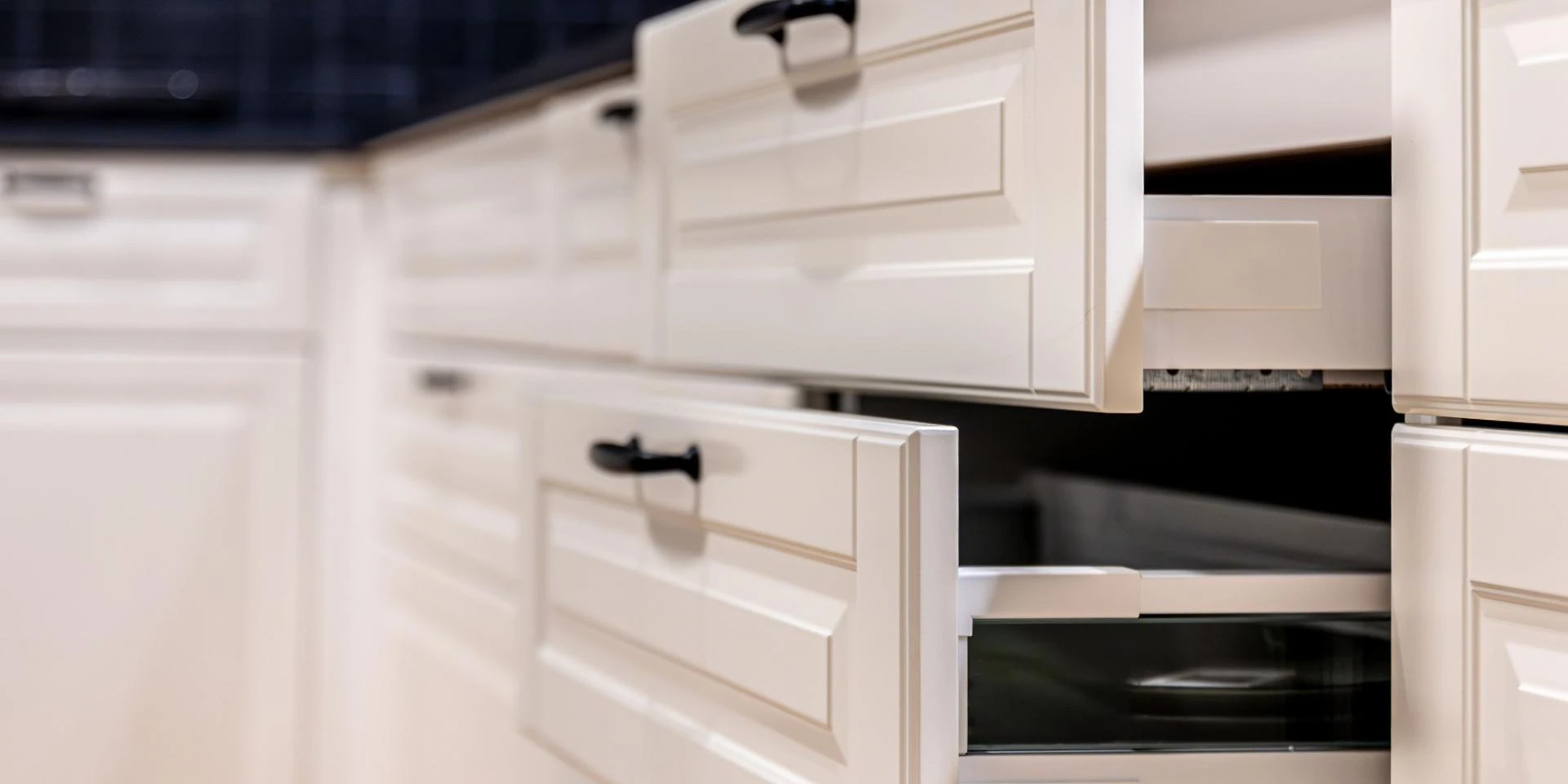
Many standard kitchens rely on filler panels and "close enough" alignment to make units fit. Bespoke allows cleaner lines: better symmetry, consistent reveals, and tall runs that use ceiling height neatly.
This is one reason modern bespoke kitchens can look intentionally minimal: the design doesn't fight the room, so it reads as cohesive.
Materials & Hardware are Chosen for How You Live
Mass-market ranges have to hit broad price points, so components are often selected for scale and speed. Bespoke projects tend to compare trade-offs more openly: scratch resistance, heat tolerance, fingerprint visibility, and maintenance time.
A kitchen design company in Essex is also able to flag practical considerations as ventilation, moisture, and lighting placement, which are very influential in determining the way that the kitchen will work once the first wow has elapsed.
Storage is Built around Objects, Not Assumptions
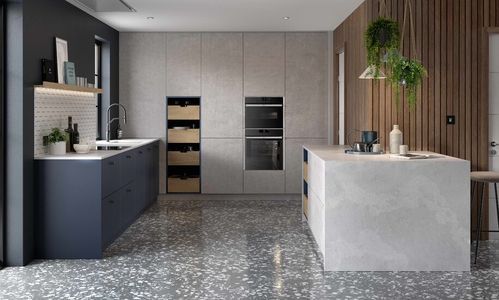
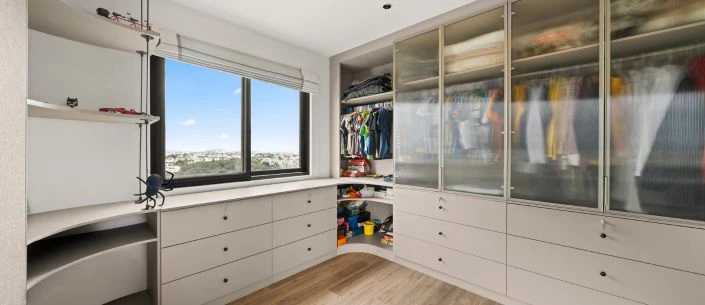
"More storage" isn't always the goal. Better storage is. Bespoke planning often creates homes for trays, bins, spice drawers, pan stacks, and appliance garages, so worktops stay clearer and the kitchen feels calmer.
That intention is a key reason people say modern bespoke kitchens feel easier to live with than standard designs.
Quick Checklist: Is this Kitchen Truly Considered?
Use this before approving any plan:
- Map movement: note traffic routes and where doors/drawers could clash
- Define zones: prep, cook, clean-up, food storage, serving
- Confirm landing space: next to the hob, oven, fridge, and sink
- Test ergonomics: worktop height, shelf reach, drawer depths
- Plan layered lighting: task, ambient, and feature (avoid prep shadows)
- Validate clearances: corners, appliance doors, and bin access
Final Words
It is quite common to regard a kitchen as the centre of the household. But in case you are not satisfied with the generic kitchen installed by a developer, it is difficult to spend time in it or be as productive as possible. But there is a solution. Modern bespoke kitchens allow you to tailor all sorts of details in the kitchen that meets your visual and productivity requirements.
If you are planning to renovate your existing kitchen or construct a new one, check out Fine Measures Limited to make your vision come to life.
FAQs
Q1: Are bespoke kitchens always more expensive than standard?
Often, but not always. You pay for tailored design and manufacturing, not just units.
Q2: Why do bespoke kitchens feel calmer visually?
Cleaner alignment, fewer fillers, and proportions designed for the room create a more cohesive look.
Q3: What's the biggest practical advantage of bespoke planning?
A layout that matches your workflow, so daily tasks take fewer steps and cause fewer bottlenecks.
Q4: Can I get a "considered" result without fully bespoke?
Yes, better zoning, lighting, and storage planning can improve standard or semi-custom kitchens.
Q5: What should I ask in a first consultation?
Ask how they'll handle zones, clearances, landing space, and material choices for your lifestyle.






















Sign in to leave a comment.