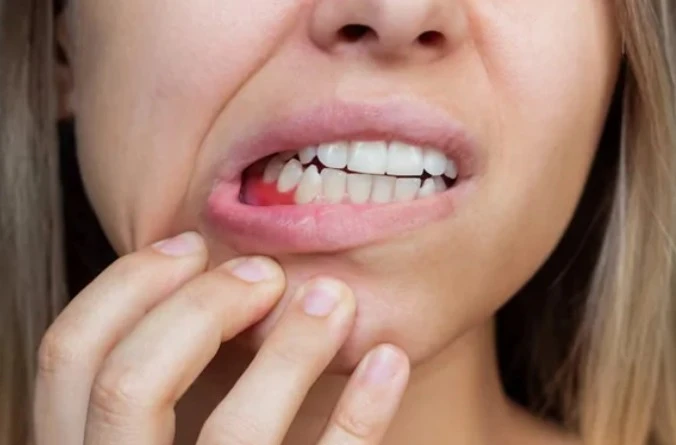
It is not uncommon for gums to bleed while brushing, often indicating the presence of gum disease. Many individuals mistakenly attribute this to brushing too hard and subsequently disregard it until the condition worsens, necessitating gum disease treatment. Darqoon Medical Center, recognized for providing the finest gum disease treatment in Al Ain, stresses that healthy gums should not bleed.
Bleeding serves as a distress signal from your body. It is a response to inflammation, suggesting that there is an issue with the foundation of your smile. While occasional bleeding may appear trivial, it frequently represents the initial stage of gum disease (periodontal disease). If neglected, this can escalate from mere inflammation to tooth loss.
The expert periodontists at Darqoon assist patients in safeguarding their teeth and gums, preventing minor issues from evolving into significant problems.
Bleeding is a mechanism through which your body communicates that something is amiss. It is an inflammatory response indicating that you should seek attention. While occasional bleeding may not be a cause for concern, persistent bleeding during brushing often signifies the onset of gum disease (periodontal disease). If left untreated, this can ultimately lead to tooth loss. This is not intended to alarm you, but it is a common progression.
What Causes Gums to Bleed? Understanding Gingivitis and Periodontitis
The primary cause of bleeding gums is plaque, a sticky film of bacteria that accumulates on your teeth. Plaque is typically not eliminated through brushing and flossing alone, and when it hardens into tartar (calculus), it irritates the gum line. This is where regular dental cleanings become essential.
Otherwise, it may develop into:
Gingivitis (The Initial Stage): It is crucial to be vigilant about the earliest stage of gum disease. In addition to bleeding, you may observe that the gums appear red, swollen, and bleed easily. However, there is no need for alarm, as this indicates a warning state. Gingivitis is generally reversible with professional cleaning and diligent care at home.
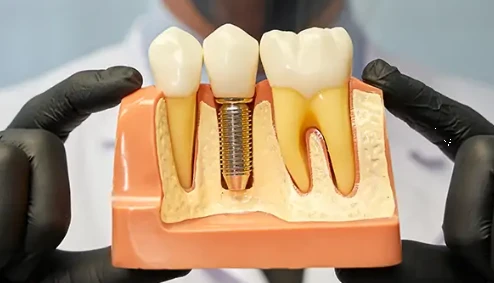
2. Periodontitis (The Advanced Stage): Should you neglect this phase, it will progress to periodontitis. You may observe that the gums are receding from the teeth, accompanied by the presence of infected pockets. Initially, the body’s immune system combats the bacteria; however, the demands on the body are significant, leading to the eventual deterioration of the bone and tissue that support your teeth. This damage becomes irreversible without professional intervention.
Conclusion
It is advisable to consult your dentist at Darqoon Medical Center before the situation worsens, necessitating gum disease treatment in Al Ain! Additionally, you can implement some home care strategies to alleviate inflammation. For instance, consider using a soft or extra-soft toothbrush and employ gentle, circular motions while brushing. You may also enhance your oral hygiene by utilizing a therapeutic mouthwash to diminish plaque and eliminate the bacteria responsible for gum disease. Furthermore, it is crucial to monitor your diet, as sugar promotes the growth of plaque-forming bacteria. Reducing your intake of sugary snacks and acidic beverages will aid in safeguarding your gum health.

























Sign in to leave a comment.