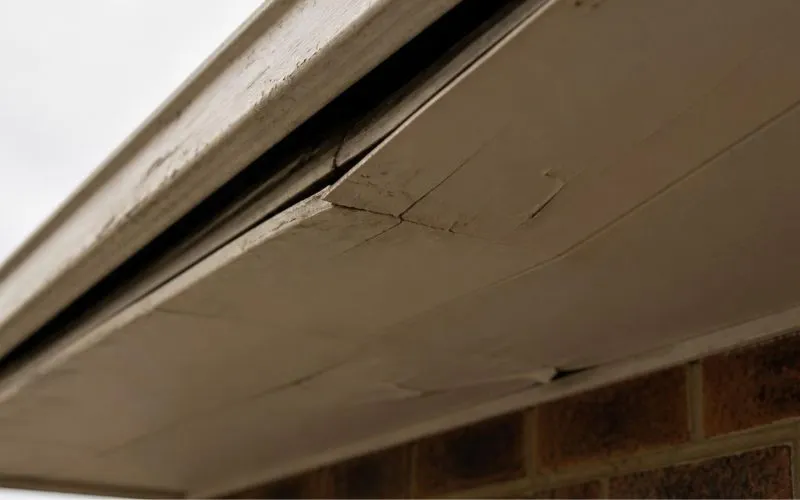

“Soffits are the most ignored part of a roof until they are not. By the time one sags, something behind it has usually been failing for months.”
A sagging soffit is rarely a cosmetic problem. Most homeowners notice the dip along the eave line and assume it is age or weather. What sits behind that panel tells a more serious story about what has been happening inside the roof edge without any visible sign from the ground.
Why Soffits Sag and What Causes It
Soffits sag when the structure holding them fails. The panel is often the last thing to give way. By the time the sag is visible something behind it has already been breaking down for a while.
- Overflowing gutters soaking the eave
- Rotting fascia losing grip on the panel
- Pests breaking fixings from inside
- Trapped moisture softening the frame
- Sun warping the panel over time
What Is Actually Hiding Behind a Sagging Soffit
This is where the real problem lives. A sagging panel is a door left open to everything the roof edge is supposed to keep out. What sits behind it depends on how long the problem has been left alone.
- Wet insulation against roof timber
- Rafters softening under pooled water
- Mould across damp frames and sarking
- Possum nesting fills the cavity
- Termites start in wet soft wood
Roof restoration in Bayswater on older brick homes regularly turns up termite activity behind sagging soffits on the southern eave line. That side stays wet longest after rain and draws the most pest activity over time.
When Is It the Right Time to Replace a Soffit
Replacing too early wastes money. Replacing too late turns a panel job into a full eave repair. The frame condition behind the panel determines the timing, not how the sag looks from below.
- Panel dipping or cracking at the eave
- Paint peeling after a wet season
- Gaps opening between panel and fascia
- Pest noise coming from the cavity
- Ceiling staining above the eave line
- Panel soft when pressed from below
Waiting until a panel falls means the timber behind it has been wet long enough to need replacing too. Finding the sag early keeps the repair to the panel only.
What Options Are Available Beyond a Direct Panel Replacement
Replacing the panel is rarely the only decision once the cavity is open. The condition of the frame behind it determines which path makes sense. Closing the cavity without fixing the cause brings the same problem back.
- Replace panel only if frame is sound
- Replace fascia and soffit if both show rot
- Book a pest check before structural work
- Claim insurance if storm started the damage
- Check council rules on older homes first
How to Stop Soffits Sagging Again
Most soffit problems come back because the water source or pest entry point was never closed off. A new panel over the same unresolved cause fails just as fast as the old one did.
- Clear gutters before every wet season
- Seal pest entry points at the roofline
- Check panels for gaps after storms
- Repaint soffit panels every five to seven years
- Book a roof and eave check every two years
Conclusion
A sagging soffit is a signal not a surface issue. What the open cavity reveals determines the real scope and cost of the fix. Roof restoration in Bayswater and roof restoration in Epping both start with checking the frame before closing anything back up. Replacing the panel without finding what caused the sag is the most costly shortcut a homeowner can take.
Final Checklist
- Confirm quote includes checking the cavity
- Ask if fascia was checked along the full eave
- Check if pest report is needed before repairs
- Note which eave lines dip, stain, or crack
- Record when gutters were last cleared
- Get two quotes before agreeing to any fix
Knowing which eave lines are affected, whether pests are active, and what the frame looks like behind the panel gives any tradesperson the right starting point before work begins.


























Sign in to leave a comment.