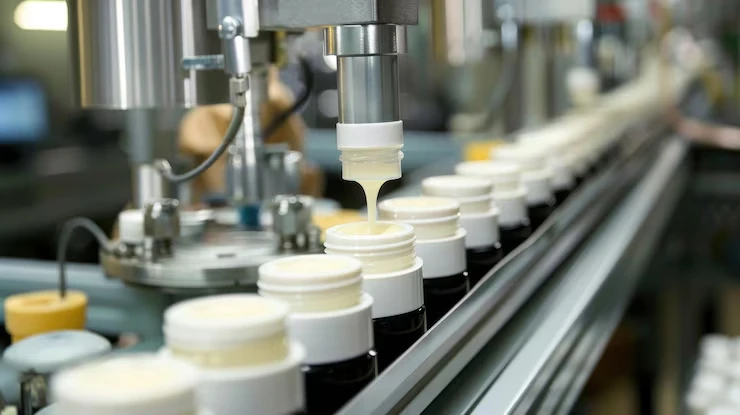

Water is the most abundant ingredient in almost every hair care product. From shampoos and conditioners to serums and creams, it forms the base of most formulations. However, it’s not just about using any water — it's about using purified, high-quality liquid. In industrial hair care manufacturing, the quality of this essential ingredient can directly impact the safety, effectiveness, and shelf life of the final product.
While many consumers may overlook this detail, manufacturers understand that this component isn't simply neutral. It can carry minerals, bacteria, organic matter, and dissolved salts — all of which can interfere with product quality and stability. This is why purification is a critical requirement in modern, GMP-compliant hair care production facilities.
Purified Water’s Key Role in Delivering Superior Hair Care Products
The liquid base is used not just as a filler, but as a functional component that dissolves active ingredients, supports emulsification, and helps maintain the desired texture and feel of the product. It facilitates the blending of surfactants, oils, conditioners, and preservatives, making it possible to create a stable, uniform formula.
But using untreated or raw liquid can introduce various risks. Even trace amounts of contaminants can destabilize formulations, cause microbial growth, or react with other ingredients to produce discoloration or odor. That’s why high-quality purification is non-negotiable when producing professional hair care products.
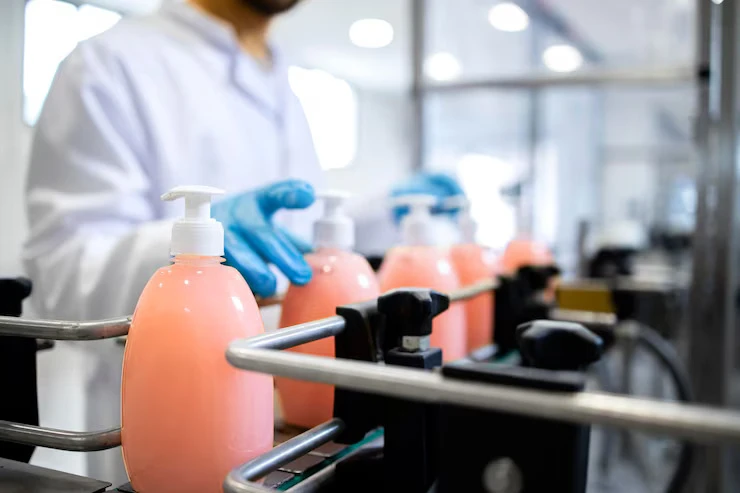
The Fundamentals of Purification in Manufacturing Industries
Purified liquid is processed to remove physical, chemical, and microbiological impurities. It undergoes a series of treatments such as reverse osmosis, deionization, carbon filtration, and UV sterilization. Each stage removes specific contaminants, from heavy metals and hardness ions to bacteria and viruses.
In many cosmetic and pharmaceutical-grade manufacturing facilities, the final purified liquid must meet strict standards of purity — particularly in terms of conductivity, microbial load, and chemical stability. This ensures it is chemically neutral and safe across multiple applications, especially in industries where formulations are highly sensitive. This is where expertise from pre-treatment water plant manufacturers becomes crucial.
Why Does It Matters for Product Quality?
Purified liquid directly influences the quality and consistency of the product. For example, untreated sources may contain calcium and magnesium salts, which can interfere with surfactants — the primary cleaning agents in shampoos. It can also introduce bacteria, which might survive production and continue multiplying after packaging, leading to spoilage or consumer harm.
Moreover, inadequately filtered liquid may alter the viscosity of conditioners, separate emulsions, or even affect fragrance stability over time. This makes purification not just an ingredient process but a vital quality control measure.
Adhering to Regulatory and Safety Protocols
Today’s hair care manufacturers operate in a highly regulated environment. Regulatory bodies such as the FDA, BIS, and European Commission expect cosmetic producers to follow good manufacturing practices (GMP), including the use of high-purity liquid inputs.
Systems supplying this essential component are frequently inspected during audits, and non-compliance can lead to product recalls, penalties, or export bans. By installing proper purification systems and maintaining strict hygiene protocols, manufacturers reduce risks and stay audit-ready.
Laying the Groundwork for Successful GMP Manufacturing
Good Manufacturing Practices require strict control of every element in the production environment — from air and raw materials to the liquid used. Purified liquid serves not only as an ingredient but also for cleaning equipment, rinsing packaging materials, and conducting lab testing.
Materials used in these processes must be free from microbial and chemical contaminants to prevent cross-contamination. Many plants install stainless steel storage tanks and continuous distribution loops to maintain quality from purification to point-of-use, keeping it safe until utilized in production.
Key Water Treatment Technologies in Hair Care Manufacturing
To meet cosmetic and pharmaceutical-grade standards, manufacturers implement comprehensive purification systems. The process begins with pre-treatment, essential for removing larger particles, chlorine, organic matter, and hardness before the main purification stage.
Pre-treatment water plants, usually installed by specialized manufacturers, may include sand filters, activated carbon filters, and water softeners. These protect downstream systems like reverse osmosis (RO) membranes from damage and fouling, extending system life.
Advanced purification steps include RO units that remove dissolved salts, heavy metals, and microorganisms. For ultra-high purity, many add deionization units (DI) or mixed bed resin filters. Disinfection through UV sterilization or ozonation is often incorporated, especially following designs modeled after pharmaceutical pre-treatment water plants.
These technologies—originating from the water purification system in the pharmaceutical industry—are now widely adopted in personal care to meet global safety and quality expectations.
Long-Term Advantages for Manufacturers
While installing a comprehensive purification system is a significant investment, it ultimately saves money by preventing batch losses, avoiding contamination recalls, and reducing downtime due to maintenance. It also supports consistent product quality, crucial for building brand reputation and consumer trust.
With growing interest in international markets and clean beauty standards, manufacturers that use purified inputs position themselves as trustworthy, responsible, and export-ready.
Conclusion
Purified liquid is a cornerstone of quality in hair care manufacturing, influencing every step from formulation to packaging. For manufacturers committed to safe, effective, and stable products, investing in reliable treatment systems is essential.
As regulations tighten and consumer expectations rise, only brands prioritizing purity and consistency will succeed. SWJAL PURE PROCESS is Water Pre-Treatment Plant Manufacturer Exporter in Mumbai, supports this by providing advanced, customized purification solutions that help manufacturers maintain compliance and deliver superior products.
Source URL: https://www.swjal.com/water-treatment-system/


























Sign in to leave a comment.