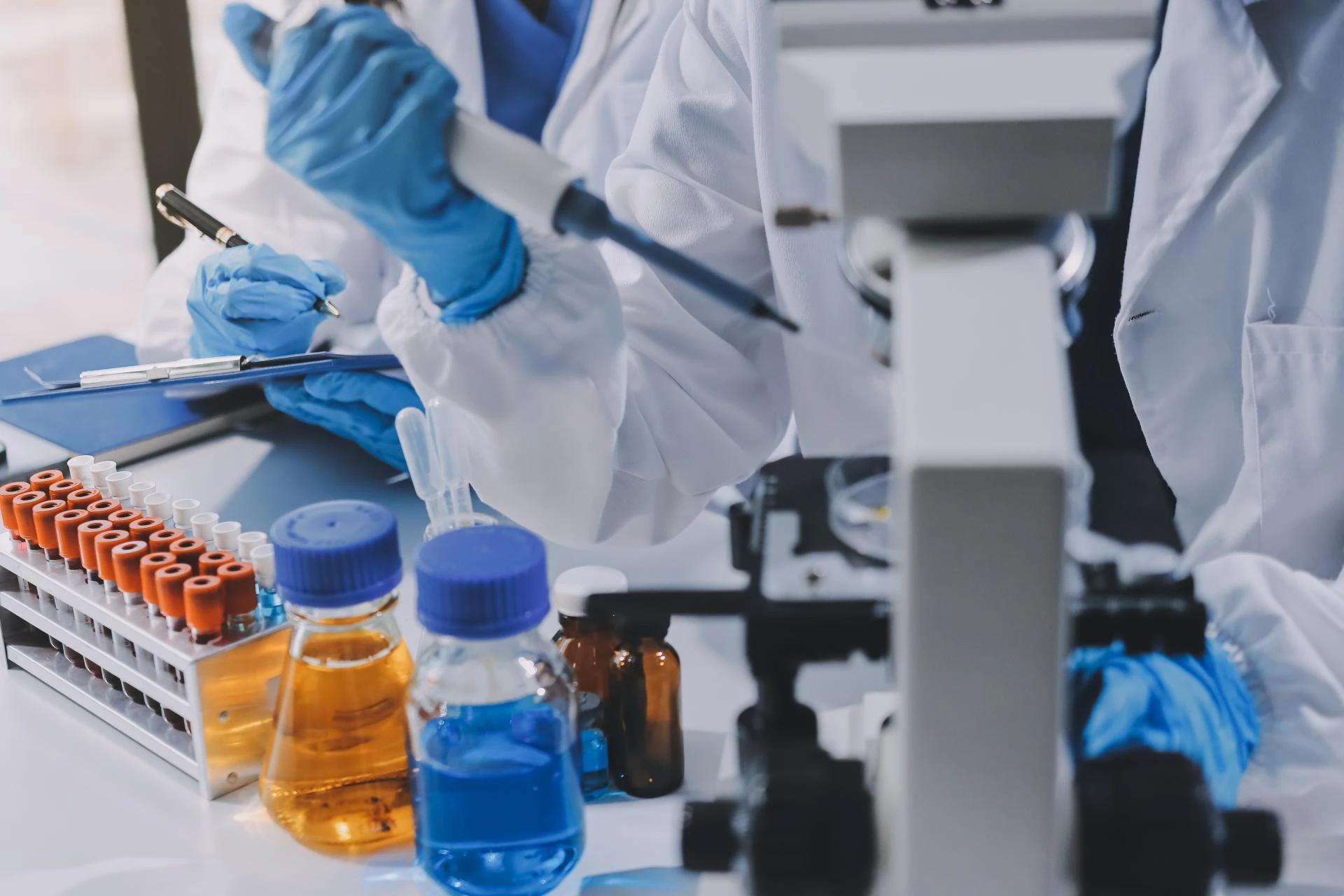

In the highly specialized field of diagnostic reagent manufacturing, ultrapure water is far more than just an ingredient — it forms the backbone of the entire production process. From reagent formulation to equipment cleaning and quality control, the purity of this essential element directly affects the accuracy, safety, and reliability of diagnostic tests. Even trace impurities can compromise reagent performance, resulting in inaccurate test outcomes and potentially jeopardizing patient care.
To meet the highest standards, modern producers invest heavily in advanced purification technologies such as Purified Water Systems, RO — EDI Systems, Water For Injection Plants, Ultrafiltration Systems, and comprehensive storage and distribution infrastructure. These systems collaborate to deliver water of the utmost purity, fulfilling stringent regulatory requirements and ensuring consistent product quality.
Why Ultrapure Water Is Essential in Diagnostic Reagents
Diagnostic reagents are formulated to detect specific biological or chemical markers in clinical samples. For optimal reagent performance, the liquid used in their production must be free from contaminants such as dissolved salts, organic compounds, microorganisms, and endotoxins.
Impurities can:
- Alter chemical reactions or enzyme activity in reagents.
- Cause batch-to-batch variability.
- Lead to false positives or negatives in diagnostic tests.
- Shorten reagent shelf life due to microbial growth or chemical instability.
Therefore, the demand for ultrapure water is critical in manufacturing diagnostic reagents for clinical chemistry, immunoassays, molecular diagnostics, and other sensitive applications.
Advanced Purification Technologies in Diagnostic Reagent Manufacturing
- Purified Water System The Purified Water System is the cornerstone of purification for diagnostic reagent production. It involves multistage treatments such as filtration, softening, reverse osmosis, and polishing to eliminate dissolved solids, organic matter, and microbes. This purified output complies with international pharmacopoeial standards like USP and EP, making it suitable for non-injectable pharmaceutical uses, including reagent formulation, cleaning, and buffer preparation.
- RO — EDI System To achieve ultrapure quality efficiently, many manufacturers combine Reverse Osmosis (RO) with Electrodeionization (EDI). RO membranes remove up to 99% of dissolved salts and organics, while EDI continuously regenerates ion exchange resins electrically without chemicals, maintaining ultra-low conductivity. Together, these systems ensure a steady supply of high-purity liquid with minimal chemical use and reduced operating costs, forming the backbone of modern purification plants.
- Water For Injection Plant For reagents requiring sterile or injectable-grade fluid, such as those used in parenteral diagnostics or critical assays, sterile water For Injection Plant is essential. WFI is produced through distillation or advanced membrane processes and must meet the strictest pharmacopoeial purity, endotoxin, and sterility requirements. This system is indispensable for reagents interacting with sterile environments or tests demanding extreme safety.
- Ultrafiltration System The Ultrafiltration System plays a vital role in removing pyrogens, viruses, bacteria, and endotoxins. Ultrafiltration membranes act as physical barriers, retaining biological contaminants while allowing ultrapure liquid to pass. Often used as a final polishing step after RO-EDI or before storage, ultrafiltration ensures microbial control and maintains quality in recirculation loops, safeguarding reagent integrity.
- Storage and Distribution System Maintaining purity extends beyond generation to include well-designed storage and distribution. These systems deliver purified and ultrapure fluids consistently to points of use without contamination. Key features include corrosion-resistant materials like stainless steel, design minimizing dead legs and stagnation, continuous recirculation to prevent microbial growth, and real-time monitoring of quality parameters such as conductivity, total organic carbon (TOC), and microbial counts. A robust pharmaceutical Purified Water Storage and Distribution is crucial for sustaining ultrapure quality throughout manufacturing, ensuring reagent consistency and regulatory compliance.
Why a Purified Water Generation System Manufacturer Is Crucial
Partnering with a reliable purified water generation system manufacturer is vital for diagnostic reagent producers. A specialized manufacturer brings expertise in designing, installing, and maintaining advanced purification systems tailored to the exacting needs of diagnostic applications. Their solutions ensure continuous supply of ultrapure liquid that complies with all regulatory standards, reduces downtime, optimizes operational costs, and supports scalable production. Without expert manufacturers, maintaining consistent purity and system performance becomes challenging, risking reagent quality and patient safety.
Consequences of Inadequate Purity
Failure to implement high-quality purification systems can lead to serious problems in diagnostic reagent production:
- Batch Failures and Recalls: Contaminated supplies cause reagents to fail quality tests, resulting in costly rejections or recalls.
- Inaccurate Diagnostic Results: Impurities interfere with assay chemistry, causing false positives or negatives and impacting patient diagnosis.
- Regulatory Non-Compliance: Poor quality may cause failure to meet FDA, EMA, or other global standards.
- Reputation Damage: Persistent quality issues harm brand trust and market competitiveness.
In diagnostic reagent manufacturing, the quality of the fluid used defines the final product’s integrity. Investing in a comprehensive purification infrastructure — including Purified Water Systems, RO — EDI Systems, Water For Injection Plants, Ultrafiltration Systems, and effective storage and distribution — is essential.
SWJAL pure process specializes in providing these integrated purification solutions, ensuring reliable access to ultrapure liquid that meets the most rigorous industry standards. Their advanced systems guarantee reagent safety, efficacy, and full regulatory compliance. Ultimately, the quality of the liquid used in diagnostic reagent production translates directly into the accuracy and reliability of diagnostic tests — supporting better patient outcomes worldwide.



























Sign in to leave a comment.