
In an increasingly digital world, traditional security methods are no longer sufficient to ensure the protection of property and people. Door access control systems have become a crucial part of modern security infrastructures, providing businesses and organizations with the ability to regulate who enters specific areas and when. These systems are more secure, efficient, and cost-effective compared to traditional lock-and-key setups. As companies and institutions look to safeguard sensitive information, personnel, and physical assets, integrating advanced access control systems has become an essential measure.
What Are Door Access Control Systems?
At their core, door access control systems are designed to restrict or allow access to particular areas within a building. These systems are often integrated with a variety of technologies, including keycards, biometrics, passwords, or even mobile apps. Unlike traditional locks, access control systems provide the ability to track and manage who enters a specific area and at what time. This added layer of security offers a comprehensive solution for both small businesses and large enterprises.
Types of Door Access Control Systems
There are several types of door access control systems, each tailored to the needs of the organization it serves. The most common types include:
Keycard Access Control: One of the most widely used systems, keycard access allows authorized individuals to unlock doors using a programmed card. The cards are often swipe or proximity-based, making them simple to use and relatively inexpensive to maintain.
Biometric Systems: Biometric access control systems use physical characteristics, such as fingerprints, facial recognition, or iris scans, to grant access. These systems are highly secure because they rely on unique, identifiable traits that are difficult to replicate or forge.
PIN Code Access: Personal Identification Numbers (PINs) are another common form of access control. Users input a code to gain access to a secured area. This system is simple but effective and often used in combination with other methods like keycards.
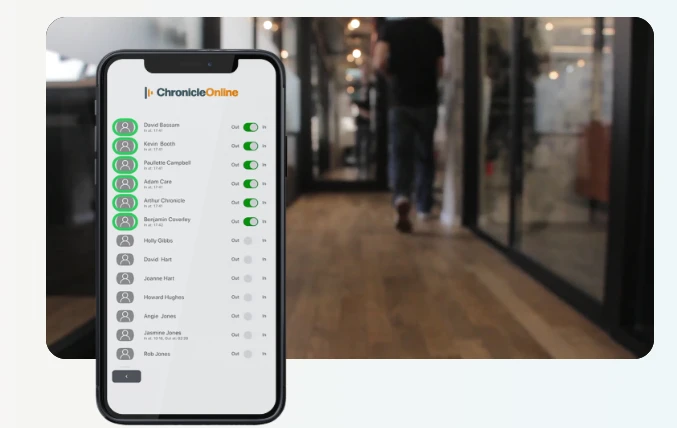
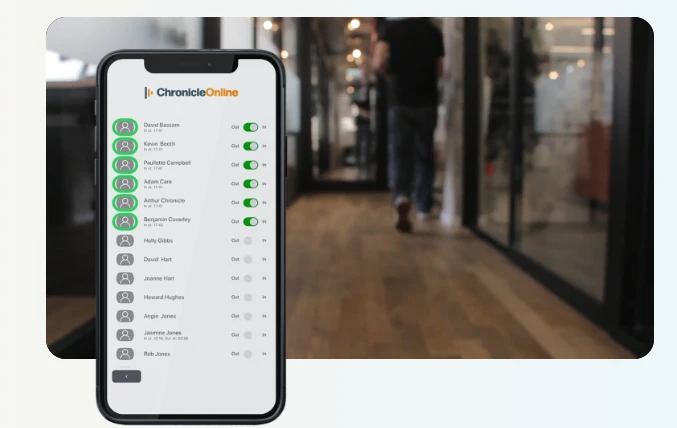
Mobile App-Based Access: With the rise of smartphones, many door access control systems now integrate with mobile apps. This allows employees or authorized personnel to use their phones as a virtual key to access secured areas, offering convenience and flexibility.
Benefits of Door Access Control Systems
Enhanced Security: One of the main reasons for adopting a door access control system is to enhance security. Traditional keys can be easily lost, copied, or stolen, which presents a major vulnerability. Access control systems are far more secure, offering better control over who can enter certain areas and when. Additionally, most systems allow for real-time monitoring and alerting, giving security personnel immediate insight into potential breaches.
Audit Trails: Unlike traditional keys, which provide no record of usage, access control systems can generate audit trails. These logs track who entered or exited a door, the time, and date of access. This is valuable for organizations that need to comply with regulations, conduct investigations, or simply improve operational transparency.
Reduced Risk of Unauthorized Access: Unauthorized access to sensitive areas, such as server rooms or financial departments, can be a significant threat to an organization. With advanced authentication methods like biometrics or mobile apps, it’s far harder for an intruder to gain access.
Flexibility and Scalability: Whether it's a single door in a small office or multiple access points across a large campus, door access control systems can be easily scaled and customized. Many systems can be expanded to accommodate new employees, departments, or facilities without compromising security.
Cost-Effectiveness: While installing a door access control system may involve an upfront cost, over time, it can be much more cost-effective compared to the traditional use of physical keys. With no keys to replace or manage, and less risk of security breaches, businesses can save money in the long run.
How to Choose the Right Door Access Control System
Choosing the right door access control system depends on several factors, including the size of your organization, the level of security required, and your budget. For small businesses, a basic keycard or PIN-based system may be sufficient, while larger corporations or government institutions may require more robust biometric or multi-factor authentication systems.
Security Needs: Consider the level of security required for your premises. For high-risk areas, biometric systems or advanced encryption methods may be necessary.
Integration with Existing Systems: Make sure the access control system can be integrated with other security solutions you already have, such as video surveillance or alarm systems.
Budget: Your budget will also play a role in determining the type of system you choose. While biometric systems may provide the highest level of security, they may come at a higher price point. Weigh the cost against the potential benefits to determine what’s best for your organization.
Conclusion
In conclusion, door access control systems offer a comprehensive and effective way to protect your business, organization, or personal property. By providing enhanced security, flexibility, and audit trails, these systems are essential for any modern security strategy. Whether you are a small business owner or a large enterprise, investing in access control solutions will help safeguard sensitive areas and provide peace of mind.
As security threats continue to evolve, it’s crucial for organizations to stay one step ahead. Implementing the right door access control system can make a significant difference in maintaining a secure and well-monitored environment.

























Sign in to leave a comment.