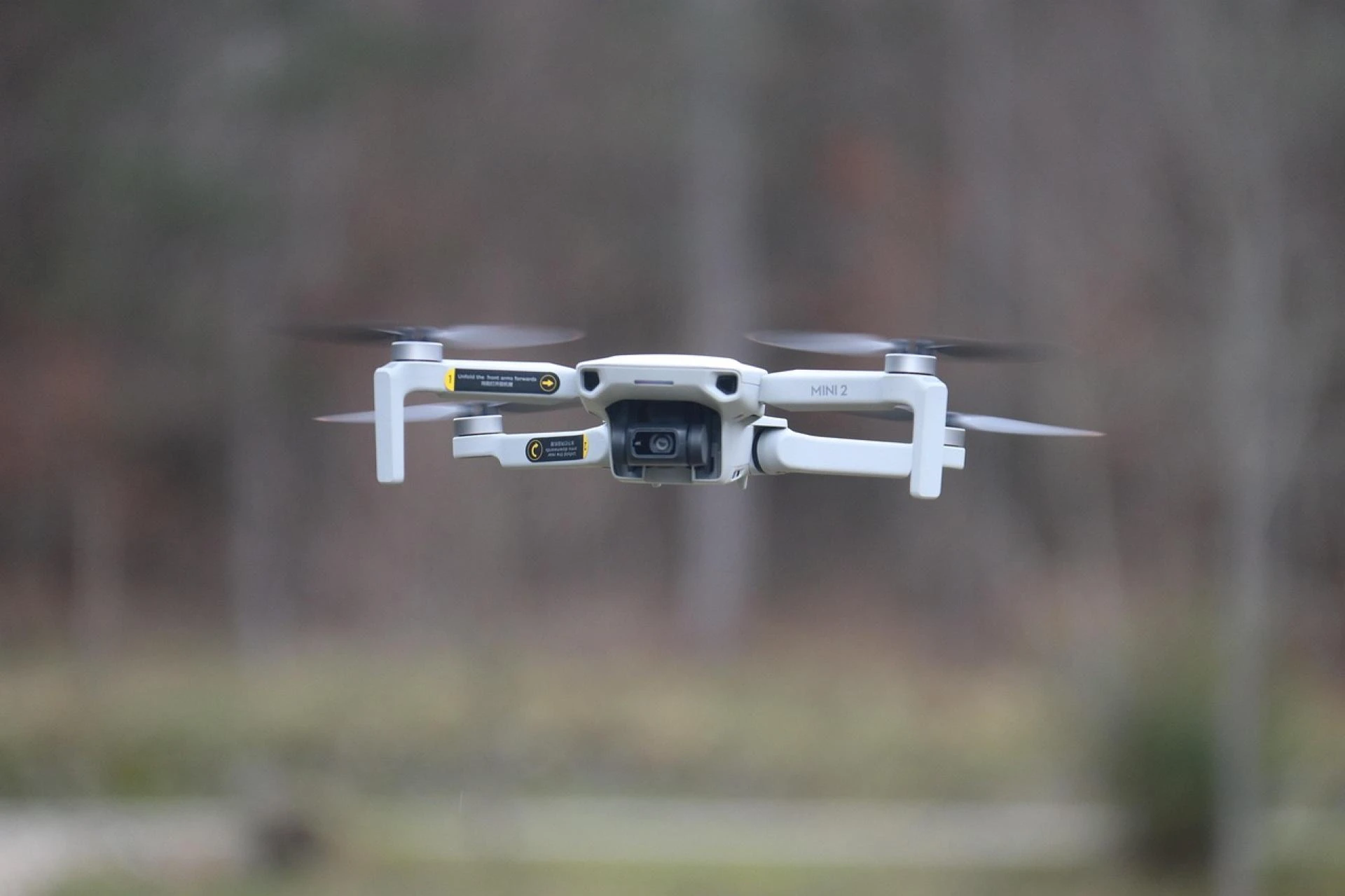

Drone technology has rapidly moved from niche hobby use to an essential tool across science, technology, engineering and mathematics (STEM) fields. As industries adopt drones for research, data capture and operational tasks, students and professionals are increasingly turning to Remote pilot training to develop the foundational skills needed to operate drones safely and effectively. For anyone looking to build a future in STEM, understanding drone systems has become an important advantage.
Across Australia, drones are being integrated into classrooms, labs, environmental studies, engineering projects and public safety operations. Their ability to collect accurate data quickly makes them ideal for real-world problem solving, which is at the heart of STEM education and careers.
Drones in Environmental Science and Research
One of the biggest shifts has occurred in environmental monitoring and conservation work. Researchers now use drones to observe wildlife, track vegetation changes, assess coastal erosion and collect data in remote areas where traditional methods are difficult or unsafe.
Drones enable scientists to:
- Capture high-resolution aerial imagery
- Monitor ecosystems without disturbing wildlife
- Map large areas in a fraction of the time
- Conduct climate-related assessments
Students entering environmental fields benefit significantly from understanding how to fly and manage drone systems as part of their research toolkit.
Engineering and Infrastructure Applications
Engineering is another sector where drones have become indispensable. Civil, structural and mechanical engineers regularly use drones to inspect buildings, bridges, solar farms, transmission lines and construction sites. These inspections help identify structural issues, monitor progress and improve safety.
Drone technology is especially useful in:
- 3D modelling and surveying
- Condition assessments
- Remote inspections of hard-to-access assets
- Project planning and reporting
Engineers who can operate drones—or work effectively with drone data—are more valuable to employers and project teams.
STEM Education and School Integration
Schools across Australia are integrating drones into STEM programs to help students develop critical thinking, coding and problem-solving skills. Drone activities often include:
- Programming flight paths
- Understanding aerodynamics and physics
- Analysing aerial imagery
- Learning real-world applications of robotics
Exposure to drone technology at a young age helps students link classroom concepts to practical outcomes. It also introduces them to emerging career pathways in aviation, engineering and digital technology.
Drones in Data Science and Geospatial Studies
Geospatial professionals rely heavily on drone-generated data for mapping, modelling and spatial analysis. As drones collect more precise data than many ground-based methods, they have become essential tools in fields such as:
- Urban planning
- Mining
- Surveying
- Agriculture
- Disaster management
STEM students who understand how drone data is captured, processed and interpreted gain a competitive edge in data-driven roles.
Healthcare, Emergency Response and Public Safety
Even health and emergency sectors depend on drone technology. In Australia, drones are used for:
- Bushfire surveillance
- Search and rescue operations
- Delivering medical supplies in remote areas
- Assessing disaster zones
These roles require teams who understand aviation safety, data interpretation and mission planning—core STEM competencies supported by drone training.
Why STEM Professionals Benefit from Drone Skills
As industries become more technology-driven, drone literacy is becoming a valuable addition to STEM skill sets. Professionals with drone experience can:
- Work more efficiently
- Conduct safer field operations
- Access roles in emerging industries
- Collaborate more effectively with technical teams
Having a foundational understanding of drone operation also supports innovation, allowing STEM professionals to design better tools, research methods and workflows.
Conclusion
Drone technology is now embedded in many STEM disciplines, from environmental science and engineering to data analysis and emergency response. As drones continue shaping how industries gather information and solve complex problems, STEM students and professionals who develop drone skills will be better prepared for the future. Building competence in drone operation opens doors to a wide range of careers and strengthens the practical capabilities needed across modern technical fields.


























Sign in to leave a comment.