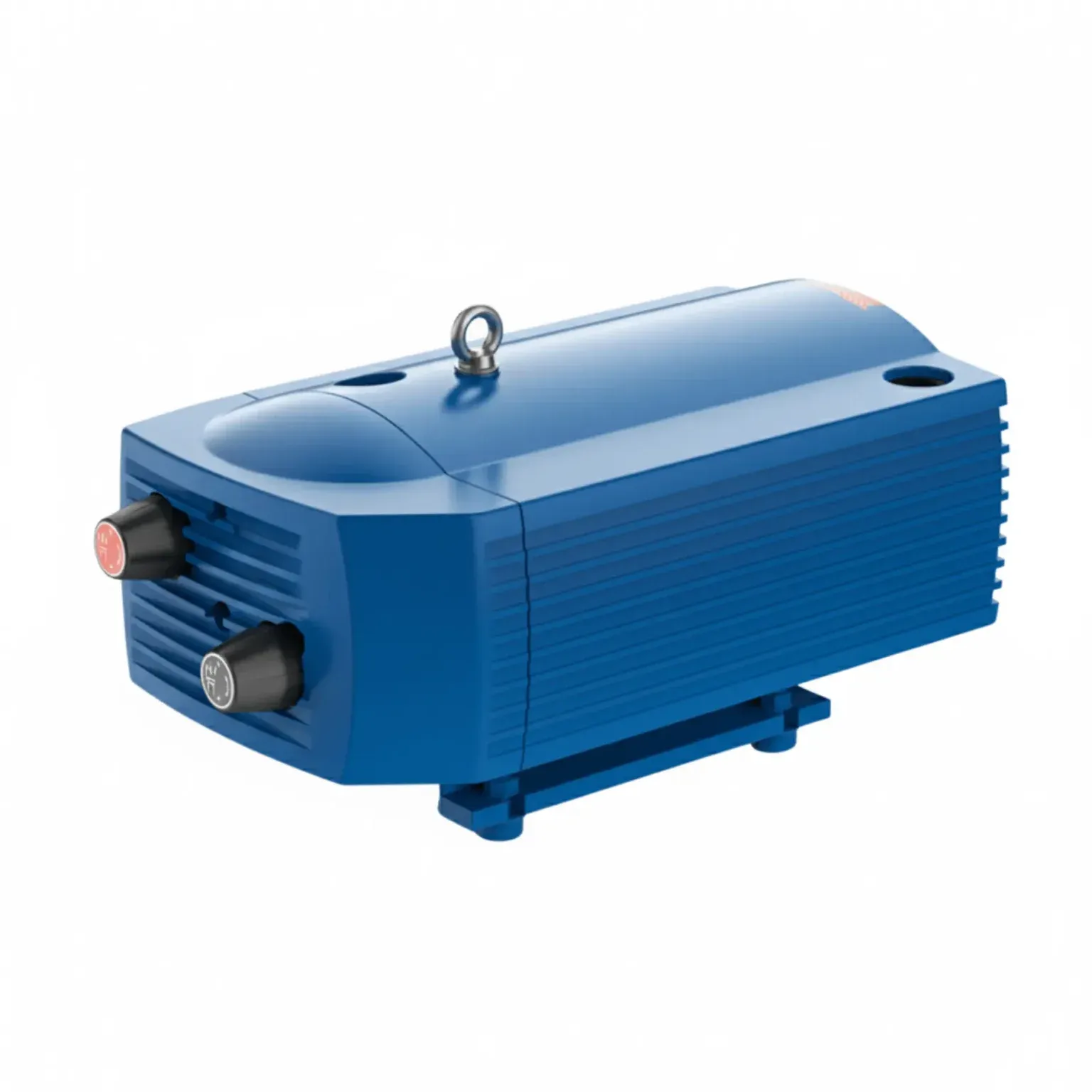

Clean and controlled vacuum environments are essential across a wide range of industries, from pharmaceuticals and food processing to electronics and laboratory research. As processes become more sensitive and quality standards continue to rise, the need for reliable and contamination free vacuum solutions has grown significantly. Among the various technologies available, these pumps have emerged as a practical and efficient choice for applications where cleanliness is a priority.
Unlike traditional oil lubricated systems, these pumps operate without introducing any fluid into the compression chamber. This simple yet powerful design difference makes them especially suitable for environments where even minimal contamination can lead to compromised results or costly rework.
Dry rotary vane technology in clean vacuum systems
A dry rotary vane pump functions without the use of oil or other lubricants in the pumping chamber. This design ensures that the vacuum generated remains free from oil vapors, mist, or residue, which is crucial for clean applications. By eliminating the need for internal lubrication, these pumps reduce the risk of cross contamination and maintain the integrity of sensitive processes.
In industries such as pharmaceuticals, maintaining a sterile environment is critical. Any trace of oil contamination can affect the composition of drugs or interfere with research outcomes. Similarly, in food processing, cleanliness is directly tied to safety and compliance with regulatory standards. Dry vacuum technology supports these requirements by offering a clean and stable vacuum source.
Contamination free operation
One of the most significant advantages of this technology is its ability to operate without contaminating the process environment. Traditional oil sealed pumps often release small amounts of oil vapor into the system, which can accumulate over time and affect product quality.
Dry systems eliminate this concern entirely. Since there is no oil in the compression chamber, there is no risk of backstreaming or leakage into the vacuum system. This makes them ideal for applications such as packaging, material handling, and analytical instrumentation, where purity is essential.
In cleanroom environments, even microscopic particles can cause major issues. These pumps help maintain the required level of cleanliness by ensuring that the vacuum process does not introduce any foreign substances.
Low maintenance requirements
Maintenance is a key consideration in any industrial setup. Equipment downtime can disrupt operations and lead to financial losses. These pumps are designed with simplicity in mind, which translates to fewer components that require regular servicing.
Without oil to monitor, replace, or dispose of, maintenance tasks become significantly easier. There is no need for oil changes, filtration, or handling of contaminated fluids. This not only reduces maintenance costs but also minimizes the environmental impact associated with oil disposal.
Additionally, the wear and tear on internal components are generally lower due to the absence of oil related degradation. This contributes to a longer operational life and more consistent performance over time.
Energy efficiency and operational stability
Energy efficiency is an increasingly important factor for modern industries. These vacuum systems are engineered to deliver consistent performance with optimized energy consumption. Their design allows for efficient airflow and minimal internal resistance, resulting in reduced power usage.
They also provide stable vacuum levels, which is essential for processes that require precision. Fluctuations in vacuum pressure can lead to inconsistent results, especially in applications like coating, drying, or degassing. Stable operation ensures that processes remain reliable and repeatable.
Furthermore, the absence of oil reduces internal friction and heat generation, which contributes to smoother operation and improved energy efficiency.
Environmentally responsible choice
Sustainability has become a key focus for many industries, and equipment selection plays an important role in achieving environmental goals. These pumps support eco friendly practices by eliminating the need for oil based lubrication.
This means there is no risk of oil leaks, spills, or hazardous waste generation. Companies can reduce their environmental footprint while also complying with stricter regulations related to waste management and emissions.
In addition, the lower maintenance requirements and longer service intervals contribute to reduced resource consumption. Fewer replacement parts and less frequent servicing mean less material waste and lower overall environmental impact.
Versatility across industries
These pumps are not limited to a single type of application. Their clean operation and reliable performance make them suitable for a wide range of industries.
In the medical field, they are used in equipment that requires sterile conditions, such as vacuum assisted devices and laboratory instruments. In the electronics industry, they play a role in manufacturing processes where contamination can affect circuit performance.
They are also commonly used in packaging applications, particularly for sealing products in a controlled atmosphere. The ability to maintain a clean vacuum ensures that the packaged goods remain fresh and free from contaminants.
In research and development settings, these pumps provide a dependable vacuum source for experiments that demand precision and repeatability.
Quiet and compact design
Modern vacuum systems are designed with user convenience in mind. They are typically more compact than traditional setups, making them easier to integrate into existing operations.
Their operation is also quieter, which is an important consideration in laboratories and indoor environments. Reduced noise levels contribute to a more comfortable working environment and allow for better focus on critical tasks.
The compact design also makes installation more flexible, especially in facilities where space is limited. This adaptability adds to their overall appeal as a practical vacuum solution.
Reliable performance in demanding conditions
Industrial environments can be challenging, with varying temperatures, pressures, and workloads. These systems are built to withstand such conditions while maintaining consistent performance.
Their robust construction ensures durability, even in continuous operation scenarios. This reliability is particularly valuable in applications where downtime is not an option.
The ability to deliver a steady vacuum without contamination makes them a dependable choice for both routine and critical processes.
Conclusion
As industries continue to prioritize cleanliness, efficiency, and sustainability, the demand for advanced vacuum solutions is only expected to grow. The pumps offer a balanced combination of performance, reliability, and environmental responsibility, making them well suited for clean vacuum applications.
Their contamination free operation, low maintenance needs, and energy efficient design provide clear advantages over traditional systems. Whether used in pharmaceuticals, food processing, electronics, or research, these pumps support high standards of quality and precision.
Choosing the right vacuum technology is an important decision that can impact both productivity and product integrity. These pumps stand out as a practical and dependable option for organizations seeking clean and consistent vacuum performance.


























Sign in to leave a comment.