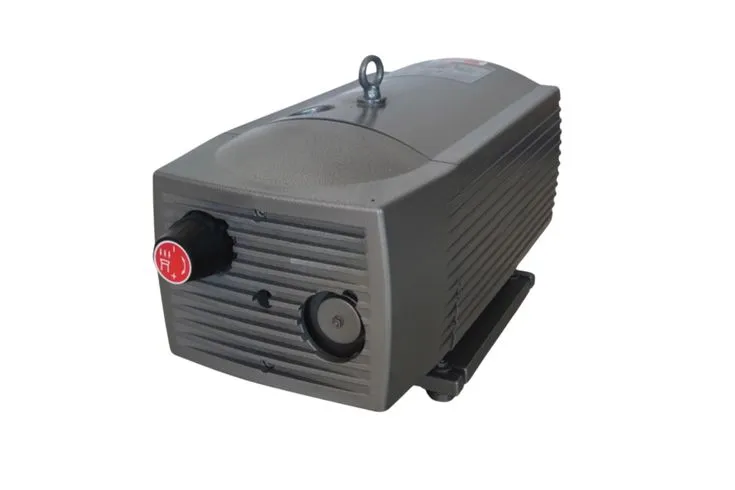

In today's competitive industrial environment, efficiency, precision, and operational reliability are essential for maintaining productivity. Many manufacturing and processing applications rely on stable vacuum generation to ensure consistent performance, product quality, and reduced downtime. Among the various vacuum technologies available, rotary vane vacuum pumps continue to be one of the most trusted solutions across industries.
Their proven design, dependable operation, and ability to deliver consistent vacuum levels make them suitable for a wide range of industrial applications, from packaging and pharmaceuticals to printing, plastics processing, and chemical manufacturing.
Understanding the Working Principle
A rotary vane vacuum pump operates using a rotor positioned eccentrically within a cylindrical housing. Sliding vanes move in and out of rotor slots as the rotor turns, creating chambers that trap and compress air or gas before discharging it. This continuous process removes air from a system and generates the required vacuum level.
The simplicity of this mechanism contributes to the technology's reliability and long service life. With fewer complex moving parts, rotary vane pumps are known for smooth operation, stable vacuum performance, and predictable maintenance requirements.
Key Advantages for Industrial Applications
Consistent Vacuum Performance
Industrial processes often require a stable vacuum throughout operation. Rotary vane technology delivers reliable and repeatable vacuum levels, helping manufacturers maintain process consistency and product quality.
Energy-Efficient Operation
When properly sized for the application, rotary vane pumps offer efficient vacuum generation with predictable energy consumption. This helps businesses reduce operating costs while maintaining required production output.
Low Noise and Smooth Operation
The design of rotary vane pumps minimizes pulsation and vibration, resulting in quieter operation compared to many alternative technologies. This contributes to improved workplace conditions and reduced mechanical stress on connected equipment.
Long-Term Reliability
Industrial facilities frequently operate equipment for extended periods. Rotary vane pumps are engineered for continuous-duty applications and can provide years of dependable service when maintained properly. This is one of the key reasons why many rotary vane pump manufacturers continue to recommend this technology for demanding industrial environments where reliability and consistent performance are critical.
Common Industries That Depend on Vacuum Technology
Packaging and Food Processing
Vacuum packaging systems use reliable vacuum generation to remove air, improve sealing quality, and extend product shelf life. Consistent vacuum levels are particularly important in high-speed packaging lines.
Pharmaceutical Manufacturing
Pharmaceutical applications often require vacuum systems for drying, filtration, and material handling processes. Stable vacuum performance helps support precision, safety, and quality standards.
Chemical Processing
Chemical plants utilize vacuum systems for degassing, filtration, solvent recovery, and distillation processes. Deep and stable vacuum levels can improve process efficiency and product consistency.
Plastics and Rubber Manufacturing
Vacuum forming, thermoforming, and molding operations rely on dependable vacuum generation to enhance shape accuracy and product quality.
Printing and Paper Handling
Vacuum systems assist with sheet separation, material transport, and production efficiency in modern printing and paper-processing operations.
Selecting the Right Configuration
Different industrial applications have varying vacuum requirements. Depending on the process, businesses may choose from:
- Oil-sealed designs for deeper vacuum levels and robust industrial performance.
- Dry-running configurations for cleaner operation and reduced risk of contamination.
- Double-stage systems for applications requiring higher vacuum performance and improved efficiency at lower pressure ranges.
The ideal selection depends on factors such as required vacuum level, operating hours, gas composition, moisture content, and maintenance preferences.
Maintenance Best Practices for Maximum Performance
Like all industrial equipment, vacuum pumps benefit from regular maintenance. Preventive servicing can help maintain efficiency, reduce downtime, and extend equipment life.
Recommended maintenance practices include:
- Routine inspection of vanes and seals
- Filter cleaning or replacement
- Regular vacuum performance checks
- Leak detection and system inspection
- Scheduled oil replacement for oil-lubricated systems
A proactive maintenance strategy helps ensure long-term operational reliability and minimizes unexpected interruptions to production.
The Future of Industrial Vacuum Systems
As industries continue to focus on efficiency, automation, and operational excellence, demand for dependable vacuum technology continues to grow. Modern rotary vane vacuum pumps combine proven engineering principles with ongoing design improvements to deliver enhanced performance, durability, and energy efficiency.
For businesses seeking a reliable vacuum solution that balances performance, serviceability, and long-term value, rotary vane technology remains one of the most practical and trusted choices available today.



























Sign in to leave a comment.