
Most homeowners know they should clean the lint screen after every load of laundry. It’s a simple habit that helps a dryer perform efficiently. However, many people don't realize that lint doesn't stop at the lint trap. Tiny fibers often travel deeper into the vent system, where they can gradually collect inside the duct.
The challenge is that dryer vents are usually long, narrow, and difficult to reach. You can't simply stick your hand inside and clean the entire pathway. That's where dryer vent cleaning rods come into the picture.
Think of them as extension arms for your cleaning tools. Just as a fishing pole helps you reach far into the water, cleaning rods help you reach deep inside vent systems that would otherwise be inaccessible.
These simple yet highly effective tools have become a favorite among homeowners and professionals alike because they make vent maintenance easier, more thorough, and far less frustrating.
In this article, we'll explore what dryer vent cleaning rods are, how they work, their benefits, and what to consider when choosing the right set for your needs.
What Are Dryer Vent Cleaning Rods?
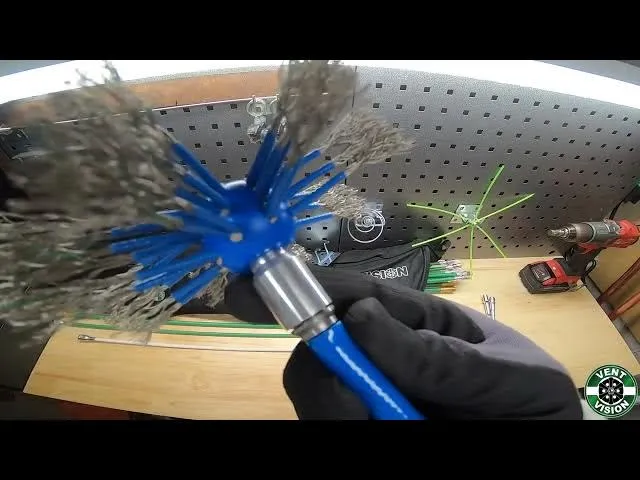
Dryer vent cleaning rods are long, connectable sections designed to extend the reach of vent cleaning brushes and other maintenance tools.
Each rod connects to another, creating a longer assembly that can travel through the entire length of a dryer vent.
The rods are typically used with:
- Cleaning brushes
- Lint removal attachments
- Inspection tools
- Rotary cleaning systems
Without extension rods, cleaning would be limited to only the portion of the vent near the opening.
Because many vent systems travel through walls, ceilings, attics, or crawl spaces, these rods make it possible to access areas that would otherwise remain untouched.
Why Vent Systems Need Deep Cleaning
Dryer vents are designed to carry warm, moist air outside the home.
Every time a dryer runs, tiny lint particles move through the exhaust pathway. While much of the lint gets trapped by the lint screen, some fibers continue traveling through the duct.
Over time, these particles can accumulate.
Imagine pouring a spoonful of sand into a pipe every day. One spoonful may not seem important, but eventually the buildup becomes noticeable. Lint behaves in a similar way inside vent systems.
As the buildup increases, airflow may become restricted.
This can result in:
- Longer drying cycles
- Reduced efficiency
- Increased energy consumption
- Additional strain on the appliance
Cleaning rods help address this issue by making it easier to remove hidden lint deposits.
How Cleaning Rods Work
The concept is surprisingly simple.
A brush attaches to the first rod section. Additional rods connect together as needed, creating a longer cleaning assembly.
As the brush moves through the vent, the bristles loosen lint from the duct walls.
The rods allow users to continue advancing deeper into the vent while maintaining control of the brush.
Think of it like assembling sections of a garden hose. Each piece adds more reach, allowing you to access areas farther away.
The same principle applies when cleaning vents.
Common Materials Used for Cleaning Rods
Manufacturers use different materials depending on the intended application.
Flexible Nylon
Nylon rods are among the most popular options.
They offer:
- Good flexibility
- Lightweight handling
- Resistance to corrosion
- Easy maneuverability around bends
Many homeowners prefer nylon because it balances flexibility and durability.
Fiberglass
Fiberglass rods tend to be stiffer.
This added rigidity can help push the brush through longer vent systems.
However, they may be less flexible when navigating sharp turns.
Composite Materials
Some modern rod systems use specialized composite materials that combine strength and flexibility.
These designs often provide improved durability while maintaining ease of use.
Benefits of Using Cleaning Rods
Reach Hidden Areas
Perhaps the biggest advantage is access.
Many vent systems extend well beyond arm's reach.
Cleaning rods make it possible to reach deep sections without dismantling walls or ceilings.
More Thorough Cleaning
Removing lint only from the first few feet of a vent often leaves significant buildup behind.
Extension rods help clean the entire pathway rather than just the accessible portion.
Improved Efficiency
A cleaner vent generally allows air to move more freely.
Better airflow often supports improved dryer performance.
Cost-Effective Maintenance
Routine cleaning can help homeowners address small issues before they become larger maintenance concerns.
Cleaning rods offer an affordable way to perform regular upkeep.
Easy Storage
Most rod systems separate into individual sections.
This makes them relatively easy to store when not in use.
Manual Versus Rotary Rod Systems
Cleaning rods are commonly used in two ways.
Manual Systems
Manual cleaning relies on hand movement.
The user pushes and rotates the brush through the vent by hand.
Benefits include:
- Simplicity
- Lower cost
- Greater control
Many homeowners find manual systems sufficient for routine maintenance.
Rotary Systems
Rotary systems connect to a cordless drill.
The drill spins the rods and attached brush while the user guides the assembly through the vent.
Advantages include:
- Faster cleaning
- More aggressive lint removal
- Improved efficiency for longer vents
However, users should operate rotary systems carefully to avoid damaging delicate duct materials.
Features to Look for When Buying Cleaning Rods
Not all rod systems are identical.
Several factors can influence performance.
Secure Connections
The rods should connect firmly and remain attached during use.
Loose connections may separate inside the vent.
Flexibility
A good rod system should navigate bends without excessive difficulty.
Durability
Strong materials help prevent breakage and extend product life.
Compatibility
Verify that the rods work with your chosen brush or cleaning attachment.
Length
Consider the total length of your vent system before purchasing.
Longer vents may require additional rod sections.
Signs You May Need Vent Cleaning
Several indicators may suggest lint accumulation within the vent.
Clothes Take Longer to Dry
One of the most common warning signs is increased drying time.
Reduced Airflow
The airflow exiting the outdoor vent may feel weaker than normal.
Excessive Heat
A dryer that becomes unusually warm may be struggling with restricted airflow.
Increased Lint Around the Dryer
Visible lint near the appliance can sometimes indicate airflow problems.
Unusual Odors
Accumulated lint and trapped moisture may occasionally contribute to unpleasant smells.
If these symptoms appear, a vent inspection and cleaning may be worthwhile.
Tips for Using Cleaning Rods Safely
Work Slowly
Rushing can increase the risk of damage or disconnected rods.
Inspect Connections Frequently
Ensure all sections remain securely attached throughout the cleaning process.
Avoid Excessive Force
If resistance is encountered, proceed carefully rather than pushing aggressively.
Follow Manufacturer Instructions
Different rod systems may have specific usage recommendations.
Disconnect the Dryer First
Always unplug the appliance before beginning maintenance.
Safety should remain the top priority.
Common Mistakes Homeowners Make
Using Rods That Are Too Rigid
Overly stiff rods may struggle with vent bends and corners.
Ignoring the Entire Vent Path
Cleaning only part of the vent leaves hidden buildup behind.
Skipping Routine Maintenance
Waiting until significant problems appear often makes cleaning more difficult.
Choosing Low-Quality Rods
Poorly constructed rods may break, bend, or disconnect during use.
Investing in quality equipment typically provides better long-term value.
Building a Complete Vent Cleaning Setup
Cleaning rods often perform best when paired with additional tools.
A basic maintenance setup may include:
- Cleaning brush
- Rod system
- Vacuum
- Inspection camera
- Protective gloves
Together, these tools create a more effective cleaning process.
The rods provide reach, the brush loosens debris, and the vacuum helps remove it.
The Growing Popularity of DIY Vent Maintenance
More homeowners are taking an active role in maintaining their appliances.
Part of this trend comes from the availability of affordable cleaning equipment.
Modern rod systems are easier to use than ever before, making routine maintenance accessible to people with little technical experience.
Educational resources from companies such as Vent Vision have also helped raise awareness about the importance of keeping vent systems clean and unobstructed.
As homeowners learn more about airflow and appliance performance, regular vent maintenance continues to gain popularity.
Understanding the Role of a Dryer Vent Cleaning Rod
A dryer vent cleaning rod serves as the link between the user and the cleaning brush. Without this extension component, reaching deep sections of the vent would be nearly impossible. Its primary purpose is to carry cleaning attachments through long duct pathways while maintaining enough flexibility to navigate bends and enough strength to withstand repeated use.
Conclusion
Dryer vent cleaning rods may appear simple, but they play an essential role in effective vent maintenance. By extending the reach of cleaning brushes and other attachments, they allow homeowners to access hidden areas where lint often accumulates.
Whether used in a manual setup or paired with a rotary cleaning system, these rods help make maintenance more thorough and efficient. Their ability to navigate long vent pathways provides a practical solution for keeping airflow unrestricted and supporting better dryer performance.
Like many home maintenance tools, their value comes from solving a specific problem. In this case, that problem is reaching areas that would otherwise remain inaccessible. With the right rod system and a consistent maintenance routine, homeowners can clean vents more effectively and keep their dryer systems operating smoothly.
Frequently Asked Questions
1. What are dryer vent cleaning rods used for?
They are used to extend the reach of cleaning brushes and other attachments inside dryer vents.
2. Can cleaning rods navigate vent bends?
Yes. Most quality rods are designed with enough flexibility to move through common vent turns.
3. Are rotary cleaning rods better than manual rods?
Neither is universally better. Rotary systems often clean faster, while manual systems offer greater control.
4. How long should cleaning rods be?
The total length should match or exceed the length of your vent system.
5. Can homeowners use vent cleaning rods themselves?
Yes. Many rod systems are specifically designed for DIY use and require only basic assembly.





















Sign in to leave a comment.