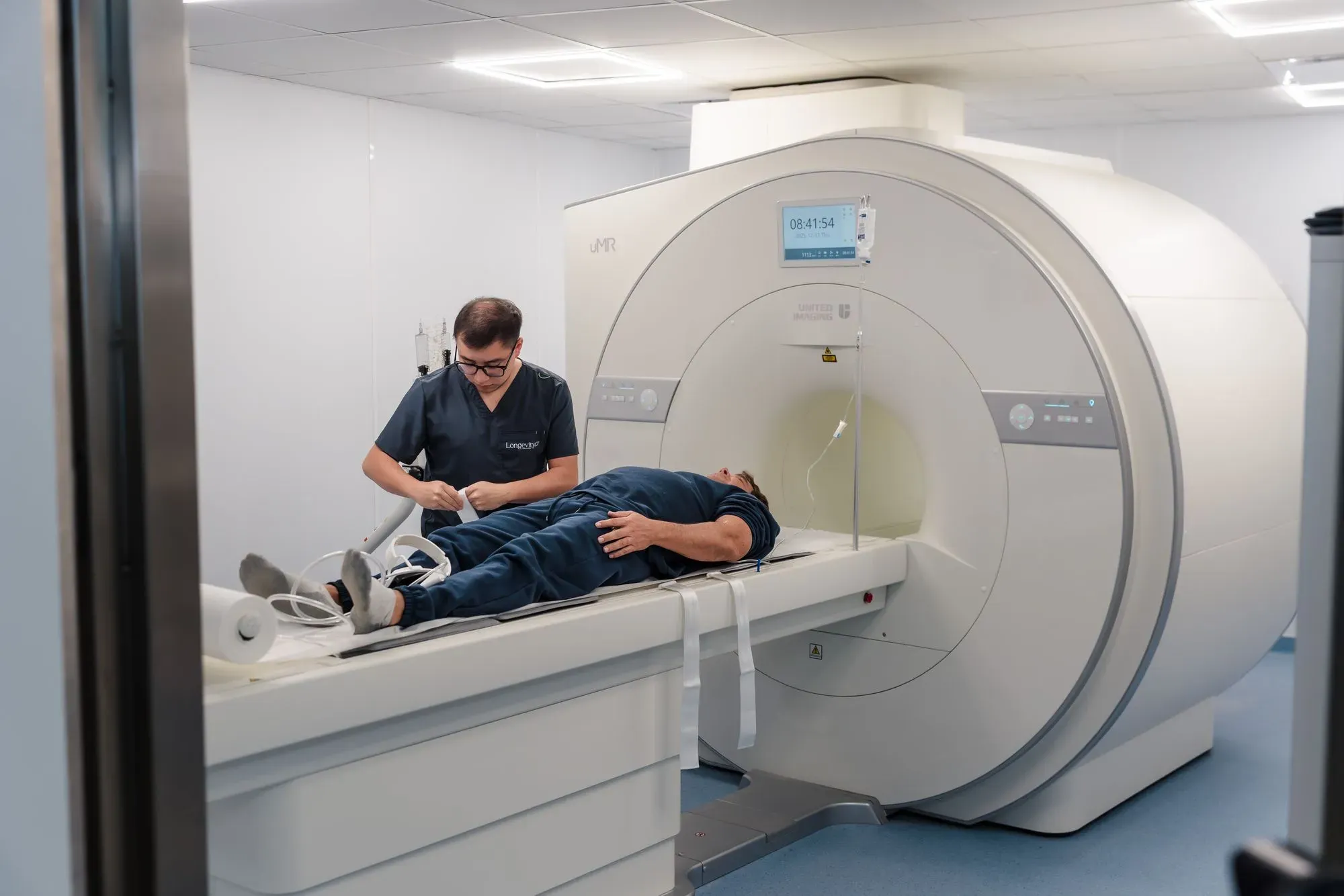

Most people do not think about their health in a serious way until something goes wrong. A nagging pain becomes a diagnosis. A routine check turns into something more. But what if we lived differently — what if we looked inward before the warning signs ever arrived? That shift in thinking is exactly what modern longevity medicine is built on, and two of its most powerful tools are early detection MRI and stem cell research.
The Problem With Waiting
For most of medical history, healthcare has operated reactively. You feel something wrong, you go to a doctor, and you receive a diagnosis. That model has saved millions of lives, but it has also left millions of people managing conditions that could have been caught far earlier — when they were still small, still treatable, still reversible.
The frustrating truth is that many serious conditions — including certain cancers, cardiovascular issues, and neurological changes — develop silently over years. By the time symptoms show up, the window for easy intervention has often already passed. This is why the idea of looking at the body before it speaks to you in pain has become one of the defining conversations in modern medicine.
Early detection is not about fear. It is about knowledge. And knowledge, when acted on early, changes outcomes dramatically.
What Full-Body MRI Actually Tells You
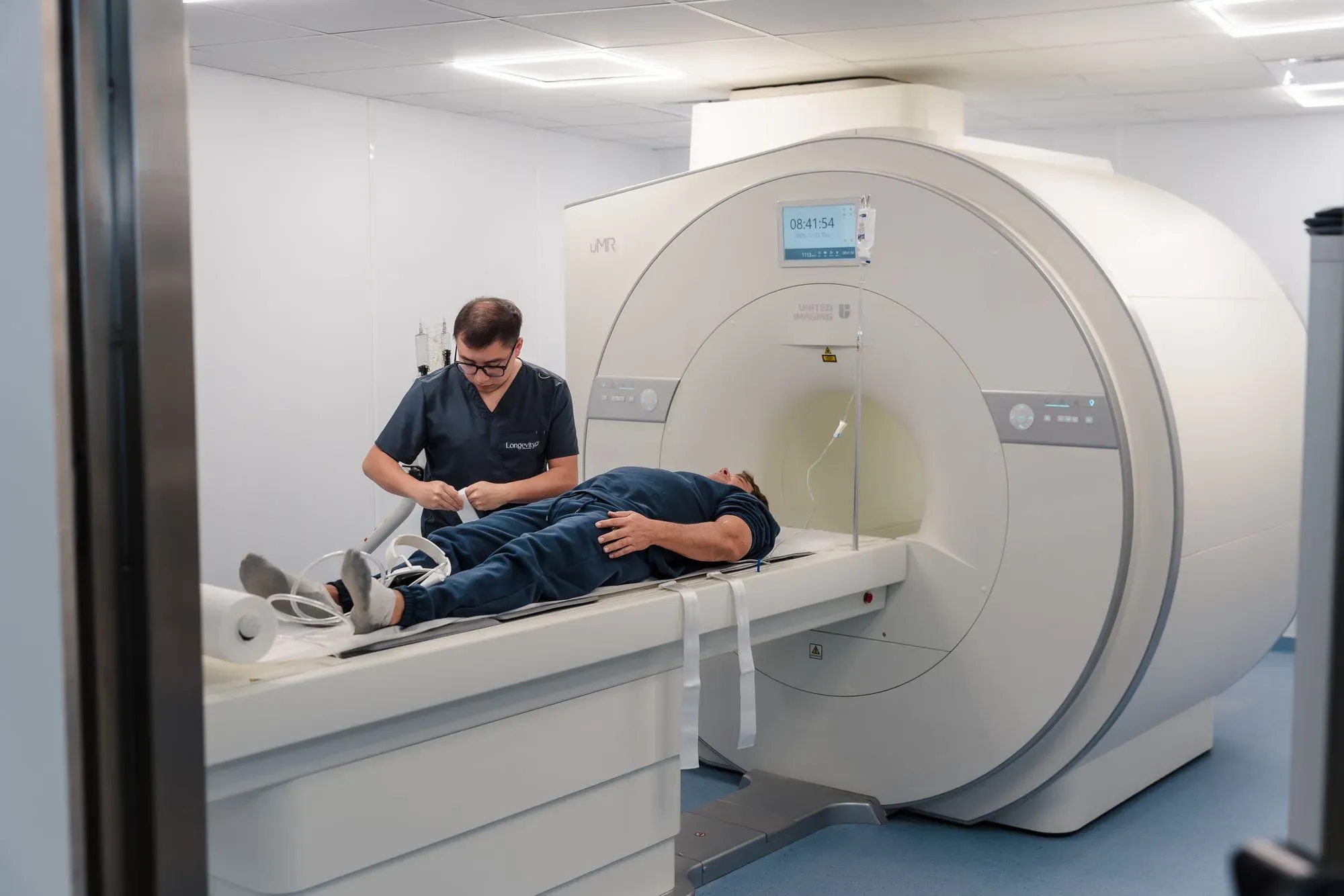
Magnetic resonance imaging has been a cornerstone of diagnostic medicine for decades, but the way it is now being used in longevity medicine is genuinely different from a traditional clinical scan. Rather than imaging a specific area of concern, a full-body MRI gives physicians a comprehensive, radiation-free look at the entire body — from the brain and spine to the heart, organs, and musculoskeletal system.
When enhanced with AI-powered imaging technology, these scans can identify abnormalities across hundreds of conditions — many of which are completely invisible to standard physical exams or routine bloodwork. Tumors that are millimeters in size. Arterial changes that have not yet caused any symptoms. Structural issues in joints that have not yet triggered pain. The scan becomes a detailed conversation between you and your own biology.
At institutions committed to genuine longevity medicine, this kind of imaging is not a luxury add-on. It is the starting point. The data gathered through an advanced MRI becomes the foundation for every clinical decision that follows — because you cannot personalize a health program without first understanding what is actually happening inside the body.
Modern full-body MRI technology has also become more accessible and more comfortable. Newer systems offer larger bores, quieter operation, and faster scan times — often completing a full-body review in under an hour. What once felt clinical and intimidating is now part of a thorough, patient-centered longevity assessment.
Stem Cell Research: Where We Are and Why It Matters
If early detection MRI is about understanding the body as it is, stem cell research is about what the body can become. The field has evolved dramatically over the past two decades, moving from theoretical promise into clinical application — and the results are making it increasingly difficult to ignore.
Stem cells are the body's raw material, They are undifferentiated cells capable of developing into many different specialized cell types. In the context of regenerative medicine, mesenchymal stem cells (MSCs) often derived from sources like umbilical cord tissue have shown particular promise because of their ability to reduce inflammation, support tissue repair, and modulate the immune system.
What makes current stem cell research exciting is the combination of biological science with clinical precision. Researchers and physicians are no longer simply introducing stem cells and hoping for a response. They are studying how to deploy them strategically targeting specific tissue environments, combining them with exosomes, and tailoring protocols to individual patient profiles. The science is becoming personalized in ways that mirror the broader movement toward individualized medicine.
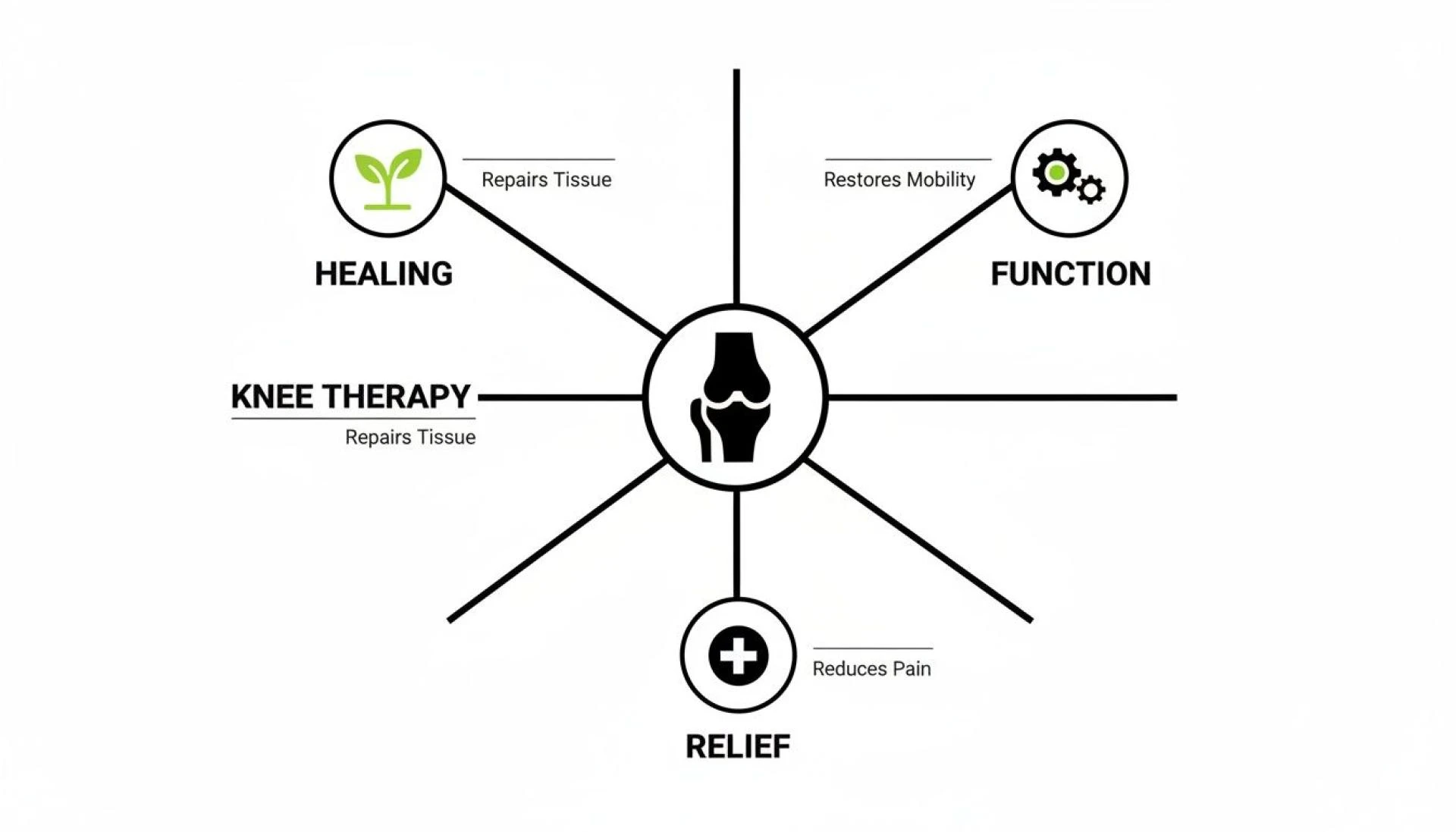
Clinically, stem cell therapies have shown meaningful results in areas including orthopedic recovery, immune modulation, metabolic health, and anti-aging applications. Studies have pointed to functional improvement in musculoskeletal conditions, with some patients reporting significant recovery in joint function and mobility. The immune-regulating properties of MSCs are also generating strong interest in the context of chronic inflammation — a key driver of accelerated aging.
It is worth noting that stem cell therapy, when done responsibly, is not a shortcut or an unproven experiment. Regulated clinics operating under rigorous quality standards — including Good Manufacturing Practices and independent laboratory oversight — bring a level of accountability to the field that distinguishes evidence-based regenerative medicine from fringe treatments.
The Connection Between Detection and Regeneration
These two approaches — early detection MRI and stem cell therapy — are not separate tracks. In the most thoughtful longevity programs, they are integrated. Imaging reveals what is happening. Regenerative medicine addresses it. The combination creates something genuinely different from conventional healthcare: a proactive cycle of assessment and intervention that keeps the body functioning at a higher level over time.
Think of it this way. An advanced MRI identifies early-stage joint degeneration that has not yet caused significant pain. A personalized regenerative protocol — potentially including stem cell therapy targeted to that tissue environment — addresses the degeneration before it progresses. The patient does not simply learn they have a problem; they walk away with a plan to actively reverse it.
This is the real promise of longevity medicine: not just adding years to life, but preserving the quality, function, and vitality that make those years worth living. Early detection without a therapeutic response is only half the equation. Regenerative therapy without diagnostic depth is guesswork. Together, they create something complete.
Who Should Be Thinking About This Now
There is a common assumption that advanced longevity diagnostics and regenerative therapies are only for people who are already experiencing health problems. That assumption misses the point entirely. The value of early detection imaging is highest when the body is still functioning well — because that is precisely when small changes can be caught and addressed before they compound.
Similarly, stem cell research increasingly suggests that earlier therapeutic intervention, even in relatively healthy individuals experiencing normal aging, may produce better long-term outcomes than waiting for more significant decline. The body's regenerative capacity does not disappear with age, but it does diminish — meaning the window for meaningful cellular therapy is real, and timing matters.
People in their late thirties, forties, and fifties who want to age on their own terms — who want to remain physically capable, mentally sharp, and energetically robust well into later decades — are the individuals this approach was built for. It is not about treating sickness. It is about extending the period of genuine wellness.
What to Look for in a Longevity Program
Not all longevity clinics are created equal. When considering a program that includes early detection MRI and stem cell therapy, a few things matter enormously.
Regulatory compliance is non-negotiable. Stem cell therapies should be administered under proper regulatory oversight, using biologics from certified laboratories that follow documented quality standards. The traceability of the cells being used — where they came from, how they were processed, what quality controls were applied — should be transparent and verifiable.
Diagnostic depth also matters. A meaningful longevity assessment goes well beyond a single scan or a standard blood panel. Comprehensive programs combine advanced imaging with detailed biomarker analysis, cardiac evaluation, body composition assessment, and a thorough clinical review conducted by physicians who specialize in longevity and regenerative medicine.
Finally, personalization is everything. The most effective longevity programs use diagnostic data to build individualized protocols — not generic wellness plans. Your biology is unique, and your care should reflect that.
A Different Way of Thinking About Health
The shift from reactive to proactive medicine is not just a trend. It is a fundamental rethinking of what it means to take care of yourself. Early detection MRI and stem cell research sit at the center of that shift — one revealing what is happening inside the body with remarkable clarity, the other offering scientifically grounded tools to support repair, resilience, and renewal.
We are living at a genuinely interesting moment in medical history. The tools available today — the imaging technology, the regenerative therapies, the diagnostic precision — would have seemed extraordinary even a decade ago. What once belonged to experimental research is now available in regulated, physician-led clinical settings for patients who are ready to take an active role in their own longevity.
The question is not whether this approach to health makes sense. The question is whether you are ready to stop waiting for something to go wrong — and start understanding your body well enough to make sure it does not.
Frequently Asked Questions
What is early detection MRI and how is it different from a standard MRI scan?
A standard MRI is typically ordered when a doctor suspects a specific problem in a specific part of the body. Early detection MRI, by contrast, is a full-body scan performed proactively — before any symptoms are present. It gives physicians a comprehensive view of the entire body, from the brain and spine to the internal organs and musculoskeletal system, using no radiation. When paired with AI-enhanced imaging technology, it can detect subtle abnormalities across hundreds of conditions that would otherwise go unnoticed until they became more serious. The goal is to find things early, when they are still easy to address.
Is a full-body MRI safe? Are there any risks?
Yes, full-body MRI is considered very safe. Unlike CT scans or X-rays, MRI does not use ionizing radiation, which means there is no radiation exposure risk. The scan uses magnetic fields and radio waves to produce detailed images. Most people tolerate MRI scans well. Those with certain metal implants, pacemakers, or specific medical devices may not be suitable candidates, which is why a thorough medical review is conducted before any scan. Modern machines have also been designed to be quieter and more comfortable than older models, making the experience much more manageable even for people who find enclosed spaces uncomfortable.
How often should I get a full-body MRI for early detection purposes?
This depends on your individual health profile, age, family history, and risk factors — and is best determined in consultation with a physician who specializes in longevity medicine. For many people in good general health who are using MRI as a proactive screening tool, an annual or biennial scan is a reasonable starting point. The first scan establishes a baseline, and subsequent scans allow physicians to track any changes over time. Having that longitudinal picture is often where the real clinical value lies.
What conditions can early detection MRI identify?
Advanced full-body MRI can help identify a wide range of conditions, including early-stage tumors and cancers in various organs, vascular abnormalities, neurological changes, liver and kidney irregularities, spinal issues, joint degeneration, and cardiac structural concerns. AI-enhanced imaging expands this capability further by improving resolution and pattern recognition beyond what the human eye can detect unaided. It is important to understand that MRI is a screening and detection tool — any findings would be discussed with a physician and followed up with appropriate clinical evaluation.
What exactly are stem cells, and where do the ones used in therapy come from?
Stem cells are undifferentiated cells — essentially the body's building blocks — that have the ability to develop into many different specialized cell types. In regenerative medicine, the most commonly used are mesenchymal stem cells (MSCs), which can be sourced from various tissues. In clinical longevity settings, MSCs are often derived from umbilical cord tissue donated after healthy births, as these cells tend to be young, potent, and free from the age-related decline that affects cells harvested from older donors. At regulated clinics, these cells go through rigorous processing, quality testing, and documentation before they are ever introduced to a patient.
Is stem cell therapy proven to work, or is it still experimental?
The honest answer is that stem cell therapy exists on a spectrum. Some applications — particularly in orthopedics, certain autoimmune conditions, and hematology — have a well-established body of clinical evidence behind them. Others, particularly in the area of anti-aging and systemic regeneration, are supported by encouraging early-stage research and growing clinical experience but are still building the larger evidence base that takes years to develop. What this means practically is that patients should work with physicians who are transparent about what is known, what is emerging, and what remains under investigation — and who tailor recommendations to each patient's specific circumstances rather than offering blanket promises.
How long does a stem cell therapy treatment take, and what does recovery look like?
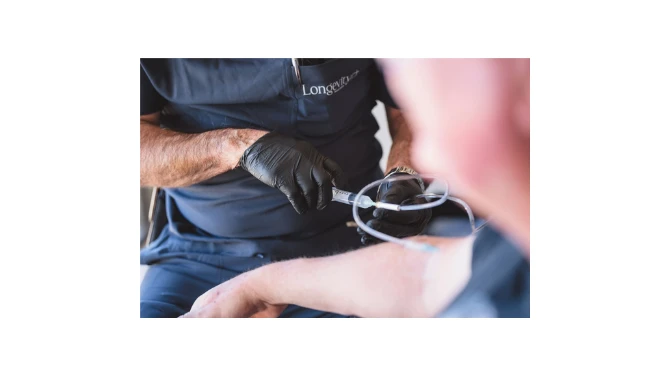
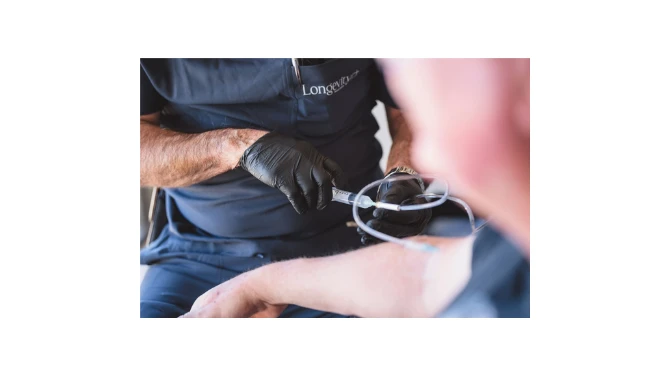
The actual administration of stem cell therapy is typically a straightforward outpatient procedure, often completed within a single day. Most patients do not experience significant downtime immediately afterward, though individual responses vary. The more meaningful timeline is the one that follows over subsequent weeks and months, as the biological processes the therapy is designed to support unfold gradually. Clinics offering serious longevity programs typically build in follow-up protocols — including lab monitoring, remote consultations, and additional assessments — to track how the patient is responding and adjust the plan accordingly.
At what age is it appropriate to start thinking about early detection MRI and stem cell therapy?
There is no single right answer, but many longevity physicians suggest that proactive diagnostics become especially valuable starting in the mid-to-late thirties. This is when subtle biological changes — ones that will not produce symptoms for years — often begin to take hold. Starting a baseline screening program at this stage means those changes can be tracked and addressed early. For stem cell therapy, the calculus is similar: the body's own regenerative systems are still functioning at a relatively higher level in this age range, which means therapeutic interventions may work with the biology more effectively than they would later. That said, meaningful results have been reported across a wide age range, and every assessment should be individualized.
How do I know if a stem cell clinic is legitimate and safe?
This is one of the most important questions anyone exploring regenerative medicine should ask. Legitimate clinics operate under proper regulatory licensure — in Mexico, for example, that means COFEPRIS authorization specifically for stem cell therapy and for the laboratory that produces the biologics. They use cells that are traceable, tested, and manufactured under Good Manufacturing Practices. Their physicians are credentialed and trained in regenerative medicine. They are transparent about their protocols, their outcomes data, and the realistic expectations of treatment. If a clinic makes sweeping guarantees, uses untested sources of biologics, or cannot clearly explain their regulatory standing, those are serious red flags.
Can early detection MRI and stem cell therapy be used together as part of one program?
Absolutely — and in fact, the most effective longevity programs integrate both. Early detection MRI provides the diagnostic foundation, identifying what is happening in the body with precision. That data then informs a personalized therapeutic plan, which may include stem cell therapy targeted to specific areas of concern, alongside other interventions suited to the patient's biology. Using both together means you are not just detecting problems and hoping they resolve — you are actively responding to what the data shows, with therapies designed to support repair and regeneration at a cellular level. This integrated model is what distinguishes a genui



























Sign in to leave a comment.