

In recent years, sustainable fashion has moved beyond clothing and accessories to include everyday essentials like footwear. Among them, slippers—something we wear daily at home—are now being reimagined through eco-friendly materials and ethical production methods. While they may seem like a small purchase, eco-friendly slippers make a big difference not only for the health of your feet but also for the health of our planet.
The Growing Importance of Eco-Friendly Footwear
The global footwear industry is one of the largest contributors to environmental waste. Traditional slippers are often made from synthetic fabrics, plastics, or leather processed with harmful chemicals. These materials not only require significant energy and resources to produce but also take hundreds of years to decompose, leaving behind harmful microplastics.
Eco-friendly slippers, on the other hand, are designed with sustainability in mind. They are crafted from natural, recycled, or upcycled materials such as cork, organic cotton, recycled rubber, or plant-based fabrics. Choosing eco-friendly slippers means reducing waste, minimizing carbon emissions, and supporting a circular economy where products can be reused, recycled, or safely returned to the environment.
Benefits for Your Feet
1. Breathability and Comfort
Eco-friendly slippers often use natural fibers like cotton, jute, or cork, which allow your feet to breathe. Unlike synthetic materials that trap heat and moisture, these fabrics keep your feet cool, dry, and comfortable. This breathability helps prevent common foot issues such as sweating, odor, and fungal infections.
2. Non-Toxic Materials
Many traditional slippers are treated with dyes, adhesives, and chemical finishes that may irritate your skin. Eco-friendly slippers avoid these harmful substances, making them a safer choice for people with sensitive skin or allergies. When you slip into slippers made with organic cotton or natural rubber, you’re reducing your exposure to toxins while also supporting healthier manufacturing practices.
3. Better Arch and Sole Support
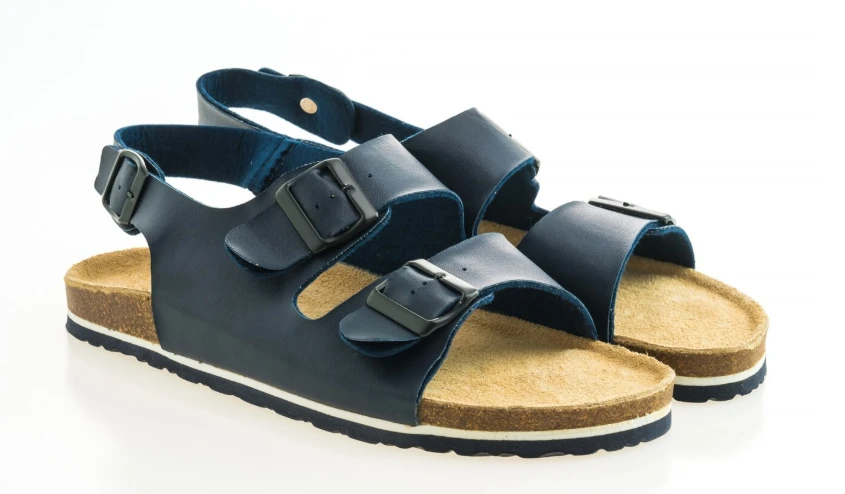
Sustainability doesn’t mean compromising on comfort. In fact, many eco-friendly slipper brands design their products with ergonomics in mind. Materials like cork and natural latex provide natural cushioning and arch support, which can improve posture and reduce strain on your feet, knees, and back. This makes eco-slippers not only good for the environment but also beneficial for long-term foot health.
Benefits for the Planet
1. Reduced Carbon Footprint
The footwear industry is responsible for millions of tons of CO₂ emissions annually. Eco-friendly slippers, however, are often made locally or with sustainable manufacturing methods that use less energy. By choosing slippers made from recycled or renewable materials, you are helping to cut down on the demand for resource-intensive production processes.
2. Less Waste in Landfills
Most conventional slippers end up in landfills once they wear out, where they remain for decades. Eco-friendly slippers, however, are designed to be biodegradable or recyclable. Some brands even encourage customers to return worn-out slippers for recycling or upcycling, keeping waste out of the environment.
3. Ethical Production Practices
Sustainable slipper brands often go beyond materials to embrace fair labor practices. This ensures that the workers making your slippers are paid fairly and work in safe conditions. When you buy eco-friendly slippers, you’re supporting not just the environment but also social responsibility.
The Role of Upcycling in Eco-Friendly Slippers
One of the most innovative approaches in sustainable footwear is upcycling—repurposing materials that would otherwise go to waste. For example, some brands transform discarded textiles, rubber soles, or even old sneakers into stylish, durable slippers. This process not only gives waste a second life but also reduces the need for virgin raw materials. It’s a creative solution that combines design, comfort, and environmental stewardship.
Long-Term Cost Savings
While eco-friendly slippers may sometimes have a slightly higher price tag upfront, they are built to last. Natural and recycled materials tend to be more durable than cheap synthetics, meaning you won’t need to replace them as often. Over time, this reduces consumption and saves you money while also lowering your personal contribution to waste.
How to Choose the Right Eco-Friendly Slippers
When shopping for sustainable slippers, keep the following in mind:
- Check the materials: Look for natural fibers like cotton, cork, hemp, or bamboo, and avoid synthetic blends.
- Look for certifications: Labels such as Fair Trade, GOTS (Global Organic Textile Standard), or FSC (Forest Stewardship Council) are good indicators of sustainability.
- Durability matters: Eco-friendly doesn’t mean disposable. Choose slippers that are well-constructed and long-lasting.
- End-of-life options: Support brands that offer recycling programs or design slippers that can biodegrade safely.
Small Choices, Big Impact
Slippers might seem like a small part of your lifestyle, but every sustainable choice adds up. By choosing eco-friendly slippers, you’re not only prioritizing your own health and comfort but also taking a step toward reducing environmental harm. With millions of people worldwide making similar decisions, the collective impact is powerful.
Final Thoughts
Eco-friendly slippers embody the perfect balance between personal well-being and environmental responsibility. They provide breathable comfort, safe materials, and better foot support while minimizing waste, reducing carbon footprints, and supporting ethical production. In a world where every purchase carries weight, choosing sustainable slippers is a simple yet meaningful way to walk lighter—both on the planet and on your feet.



























Sign in to leave a comment.