

Have you ever checked your truck in winter and wondered why there seems to be more oil buildup inside the intake system than in summer?
Many owners of Ford EcoBoost trucks notice this seasonal change but are not always sure why it happens. Modern turbocharged engines are efficient and powerful, but they also produce crankcase vapors that can carry oil particles through the engine’s ventilation system. During colder months, these vapors behave differently inside the engine and intake components.
Understanding why EcoBoost engines collect more oil during winter can help drivers maintain performance and protect internal components over time.
This article explains the technical reasons behind seasonal oil accumulation, how temperature affects engine ventilation, and why many truck owners choose solutions such as an F150 oil catch can to manage the issue.
What Happens Inside an EcoBoost Engine During Winter?
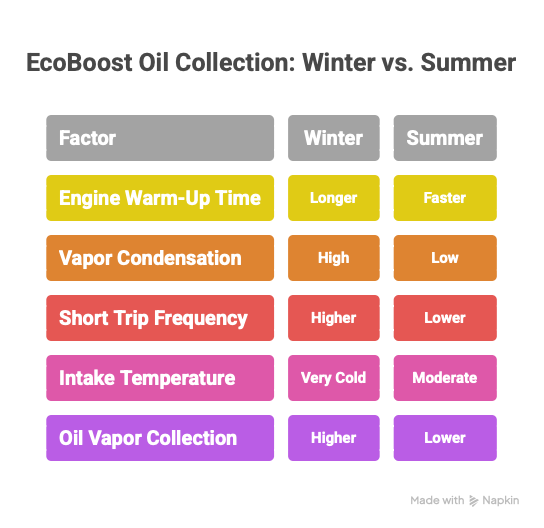
Cold temperatures change how fuel burns and how vapors move through the engine. EcoBoost engines create crankcase vapors during normal operation, but colder weather makes those vapors condense more easily. This increases oil buildup in the intake system during the winter months.
EcoBoost engines rely on a Positive Crankcase Ventilation (PCV) system to manage pressure and remove combustion gases from the crankcase. These gases contain small oil droplets that travel through hoses and into the intake system.
In warm conditions, many of these vapors stay in gaseous form and pass through the engine without leaving significant deposits. Winter conditions, however, change this process.
- Lower Temperatures Increase Condensation - Cold air cools the intake system faster. When hot crankcase vapors meet colder surfaces, oil particles condense and collect more easily.
- Short Winter Drives Make It Worse - Winter often means shorter trips. Engines may not reach full operating temperature, which prevents moisture and vapors from burning off.
- Turbocharged Engines Produce More Pressure - Turbocharged engines naturally create higher crankcase pressure, which pushes more vapor through the PCV system compared to naturally aspirated engines.
Why Oil Vapors Condense More in Cold Weather
Oil vapor behaves differently depending on temperature. In cold weather, the vapor cools quickly and turns into liquid droplets. These droplets collect inside intake components, increasing the amount of visible oil buildup during winter.
When an engine runs, the crankcase produces a mixture of gases that includes:
- unburned fuel vapors
- water vapor
- microscopic oil droplets
At higher temperatures, these substances remain suspended in vapor form. During winter, however, the intake plumbing and intercooler stay much colder.
Read on: How an Oil Separator Boosts the Resale Value of Your F-150
Temperature Difference Causes Liquid Formation
When hot vapors move through cold metal tubes, condensation forms. This is similar to how moisture appears on a cold drink in warm air.
Intercoolers Increase Cooling
EcoBoost engines use intercoolers to reduce intake air temperature for better power and efficiency. During winter, intercoolers can become extremely cold, which increases condensation.
Oil Droplets Collect Over Time
Once condensed, the droplets can collect in hoses, intake manifolds, or intercooler piping.
Tip: Drivers who regularly tow or drive long distances may notice less buildup because the engine stays at full temperature longer.
Why Turbocharged Engines Experience More Oil Vapor
Turbocharged engines generate higher pressure and airflow than naturally aspirated engines. This increased pressure pushes more blow-by gases through the crankcase ventilation system. As a result, more oil vapor travels into the intake system.
EcoBoost engines use turbochargers to improve power while maintaining fuel efficiency. However, turbocharging also increases the internal pressure inside the engine.
Blow-By Gases Increase Under Boost
Blow-by occurs when small amounts of combustion gases escape past piston rings into the crankcase. Turbocharged engines create more cylinder pressure, which increases blow-by.
PCV Systems Must Handle Greater Flow
The PCV system moves these gases back into the intake system to be burned again.
Oil Particles Travel With the Vapors
Even though these particles are microscopic, they can accumulate over thousands of miles.
Why Many Truck Owners Install Oil Separators
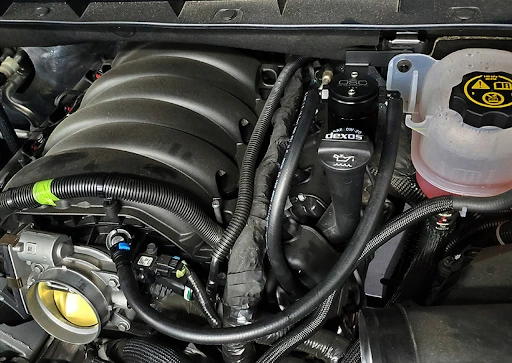
Oil separators help remove oil droplets from crankcase vapors before they reach the intake system. This reduces buildup in intake valves, intercoolers, and turbo components. Many EcoBoost owners install them to manage long-term engine cleanliness.
When vapors leave the crankcase, they travel through the PCV system and into the intake tract. Devices designed to capture oil particles are often added between these components.
Many drivers refer to these devices using different terms. Some call them catch cans, while others use the term separator. Both descriptions relate to systems that collect oil before it reaches the intake path.
How Oil Separation Works
F150 oil catch can use internal chambers or filters that slow down airflow. When airflow slows, heavier oil droplets fall out of suspension and collect inside the chamber.
Why Turbo Engines Benefit From Separation
Turbocharged engines move larger volumes of air, which increases the amount of oil vapor traveling through the ventilation system.
Long-Term Engine Cleanliness
Reducing oil vapor entering the intake system may help maintain cleaner intake valves and intercooler passages.
Many truck owners install systems such as an f150 oil separator to manage vapor flow in the crankcase ventilation system.
Ford Truck Models That Experience This Issue
Oil vapor buildup can occur in many Ford trucks equipped with EcoBoost engines. Several F-150 engine configurations share similar PCV designs and turbocharging systems. Because of this, seasonal oil condensation is observed across multiple model years.
The EcoBoost engine family has been used across several generations of Ford trucks and SUVs.
F-150 EcoBoost Engine Generations
Common engine configurations include:
- 2.7L EcoBoost
- 3.5L EcoBoost
- 5.0L V8 with similar PCV routing
Model Years Frequently Discussed
Many owners of these vehicles report seasonal oil accumulation:
- 2011–2014 F-150
- 2015–2017 F-150
- 2018–2020 F-150
- 2021 F-150
These engines also appear in related models such as the Ford Expedition.
3.5L EcoBoost Applications
Vehicles using this engine configuration sometimes use specialized systems such as an f150 3.5 ecoboost oil separator to capture crankcase vapors before they enter the intake system.
Maintenance Practices That Help Reduce Oil Buildup
Proper maintenance can reduce the amount of oil vapor reaching the intake system. Driving habits, oil quality, and regular inspection of ventilation components all influence how much condensation forms. Simple preventive steps can help EcoBoost owners reduce seasonal oil accumulation and keep intake components cleaner.
Many drivers focus on horsepower and towing capacity, but small maintenance habits often make the biggest difference in long-term engine cleanliness. EcoBoost engines are designed with efficient ventilation systems, yet seasonal conditions like cold weather and short trips can still increase oil vapor buildup.
By adjusting how the vehicle is driven and maintained, truck owners can reduce the amount of oil entering the intake system over time.
Drive Long Enough for Full Warm-Up
Short winter trips are one of the biggest reasons oil vapor collects in the intake system.
When the engine does not reach full operating temperature, moisture and fuel vapors remain inside the crankcase instead of evaporating. Over time, these vapors travel through the ventilation system and mix with oil droplets.
Driving the truck for 15–20 minutes allows the engine to reach proper temperature and burn off excess vapors.
Tip: Try combining short errands into one longer trip during winter months.
Use Manufacturer-Recommended Engine Oil
Engine oil quality affects how much vapor forms inside the crankcase.
Modern synthetic oils are designed to resist breakdown at high temperatures and reduce evaporation. Lower evaporation means fewer oil particles moving through the ventilation system.
Using the correct viscosity recommended by Ford helps maintain proper lubrication and reduces unnecessary oil vapor formation.
Inspect PCV Hoses and Valves Regularly
The PCV system controls pressure inside the engine. If hoses become clogged, cracked, or loose, crankcase pressure may increase.
Higher pressure forces more oil vapor through the ventilation system, which can lead to greater intake contamination.
Drivers should inspect PCV hoses during routine maintenance to ensure proper airflow.
Check Intercooler and Intake Piping Periodically
EcoBoost engines use intercoolers to cool compressed air from the turbocharger. These components can also become areas where oil condensation collects.
Inspecting intake pipes during regular service helps identify buildup early before it becomes excessive.
Cleaning intake components when necessary may help maintain proper airflow through the system.
Avoid Excessive Idling During Cold Weather
Many drivers allow their trucks to idle for long periods during winter to warm up the cabin.
However, extended idling can increase condensation inside the crankcase because the engine warms slowly without load. This can increase oil vapor buildup.
Driving the vehicle gently shortly after startup allows the engine to warm up faster and reach proper operating temperature.
Monitor Oil Change Intervals Carefully
Dirty or degraded oil can increase vapor formation inside the engine. Following recommended oil change intervals helps maintain proper oil stability and reduces contaminants that contribute to vapor formation. Drivers who tow heavy loads or drive in extreme climates may benefit from shorter oil change intervals.
Keep Air Intake Filters Clean
A restricted air filter can affect airflow balance in turbocharged engines. Poor airflow may increase crankcase pressure and force additional vapors through the ventilation system.
Regular air filter inspection ensures that the engine receives proper airflow.
Pay Attention to Seasonal Driving Patterns
Winter driving habits often differ from summer driving. Common winter conditions include:
- shorter trips
- colder engine starts
- longer warm-up times
- increased idling
These factors contribute to condensation buildup inside the engine. Understanding these seasonal changes helps drivers adjust maintenance routines accordingly.
Tip: Winter engine warm-ups should not involve long idling periods. Driving the vehicle gently allows the engine to reach operating temperature faster.
Key Takeaways
- EcoBoost engines produce crankcase vapors during normal operation.
- Cold weather causes these vapors to condense more easily inside intake components.
- Turbocharged engines generate higher pressure, increasing vapor flow through the PCV system.
- Short winter trips prevent engines from reaching temperatures that burn off moisture.
- F150 oil catch can is commonly used to capture oil droplets before they reach the intake system.
- Multiple Ford truck models from 2011–2021 experience this seasonal behavior.
Conclusion
EcoBoost engines deliver strong performance and efficiency, but like many turbocharged systems, they produce crankcase vapors that move through the PCV system during operation. Seasonal temperature changes can influence how these vapors behave inside the engine.
During winter months, colder intake components cause oil vapors to condense more easily, which explains why some truck owners notice increased oil accumulation compared with summer. Turbocharging, short trips, and colder intercooler temperatures all contribute to this effect.
Understanding the science behind this process helps drivers make informed decisions about maintenance and engine care. Many owners choose solutions designed to manage crankcase vapors and protect intake components over time.
Companies such as J&L Oil Separator Co. focus on developing specialized separation systems engineered for modern Ford truck platforms. Their designs are built in the United States and are specifically created for truck owners who want precise fitment for their engines.
Frequently Asked Questions
1. Does cold weather affect turbocharged engine performance?
Yes. Cold air is denser, which can improve turbocharger efficiency, but it can also increase condensation inside the intake system.
2. Can oil buildup affect intercooler performance?
In some cases, oil residue inside intercooler passages may reduce heat transfer efficiency over long periods.
3. Are PCV systems different in turbocharged engines?
Yes. Turbocharged engines require PCV systems that can handle higher airflow and pressure levels.
4. Why do some drivers see oil inside intake pipes?
This usually occurs when crankcase vapors carrying oil droplets travel through the PCV system and condense in cooler intake components.
5. Do driving habits affect oil vapor accumulation?
Yes. Frequent short trips and cold starts increase condensation and vapor buildup compared with longer highway drives.
Want to Keep Your EcoBoost Engine Running Cleaner Year-Round?
Have you noticed oil collecting in your intake system during winter and wondered if your truck could benefit from a better crankcase ventilation solution?
Understanding how your EcoBoost engine handles oil vapors is the first step toward protecting long-term performance. If you want to explore practical solutions designed specifically for Ford truck platforms, you can learn more by contacting us and speaking with specialists who understand EcoBoost systems and their ventilation challenges.
Could improving how your engine manages oil vapors help maintain cleaner intake components over time?
Sign in to leave a comment.