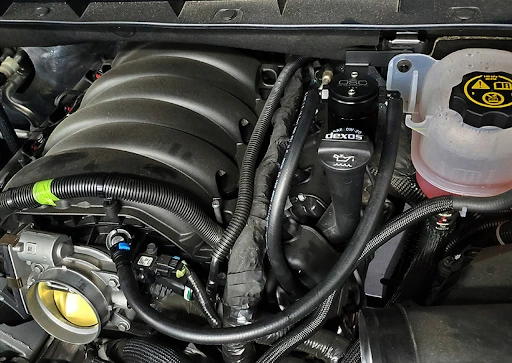

When it comes to modern trucks and SUVs like the 2019 Silverado, 2020 Silverado, or 2021 Silverado, engine performance isn’t just about horsepower and torque. It is also about long-term health, efficiency, and staying compliant with emissions regulations. One small but crucial piece of hardware that plays into all of these factors is the oil catch can, also called an oil separator.
This post explores how oil catch cans work, why they matter for emissions and engine health, and how they fit into Chevrolet and GMC’s 2019–2025 lineup of trucks and SUVs, including the Silverado 1500, GMC Sierra 1500, Chevy Tahoe, Chevy Suburban, and GMC Yukon and Yukon XL.
What Is an Oil Catch Can?
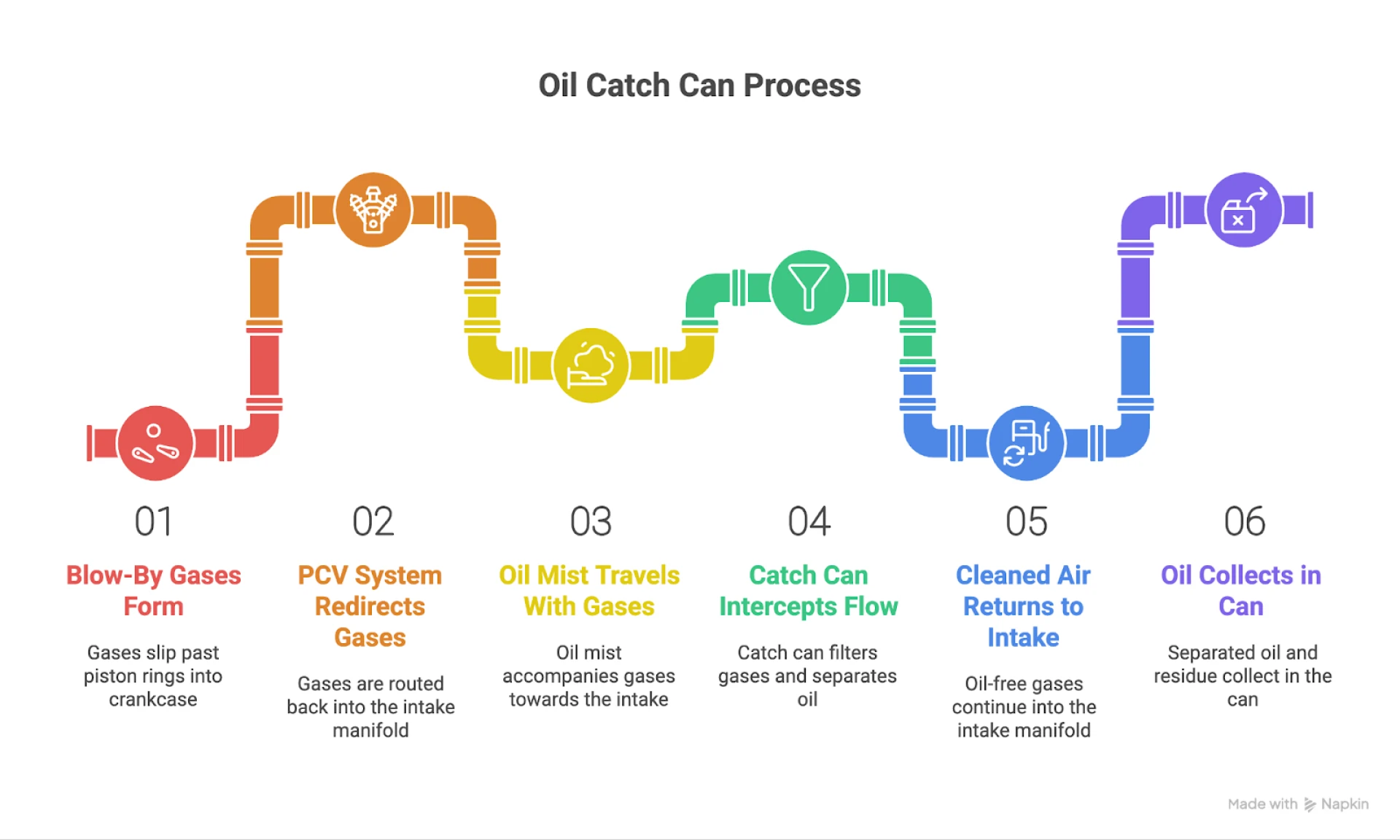
An oil catch can is a device installed in the positive crankcase ventilation (PCV) system of an engine. The PCV system recycles gases that escape past the piston rings, known as blow-by, and routes them back into the intake to be burned off.
The issue is that these gases carry a fine oil mist. Over time, the oil coats the intake valves, throttle body, and other parts of the intake system. This leads to:
- Carbon buildup
- Reduced efficiency
- Increased emissions
- Higher risk of detonation under load
An oil catch can traps that oil mist before it re-enters the intake. The cleaner air continues into the engine, while the oil collects in the can and is drained later.
Why Oil Catch Cans Matter for Emissions Compliance
Oil vapors are hydrocarbons, and if they bypass the intake system untreated, they burn irregularly and increase emissions of harmful gases. These include:
- Hydrocarbons (HCs) from unburned fuel and oil residues
- Carbon monoxide (CO) from incomplete combustion
- Particulate matter (PM), especially problematic in direct-injection engines
Oil deposits can also foul up emissions control systems such as the EGR valve, oxygen sensors, and catalytic converter. A clogged system can cause a vehicle to fail emissions tests even if it runs properly otherwise.
By reducing oil contamination, a catch can helps maintain the efficiency of these systems, keeping the vehicle closer to its designed emissions output.
It is important to note that not all catch cans are certified for emissions compliance. Some lack CARB approval, which makes them illegal in California and in states that follow California standards. Always check local laws before installation.
Read more: How to Know You're Buying a Quality Oil Separator
Protecting Engine Health with a Catch Can
While emissions are one part of the story, engine longevity is another. Catch cans protect critical systems in several ways:
- Cleaner intake valves, reducing carbon buildup common in direct-injection engines like GM’s 5.3L and 6.2L V8s
- Improved combustion by preventing oil vapors from lowering octane and causing knock
- Reduced maintenance costs due to less buildup and fewer expensive cleanings
- Better sensor performance, as sensors like the MAF and O₂ sensors stay cleaner and more accurate
A catch can does not boost horsepower, but it preserves the power and efficiency your engine already has.
Silverado, Sierra, Tahoe, Suburban, and Yukon: Where Catch Cans Fit
The J&L Oil Separator 3.0 and similar systems are designed to fit the following GM models:
- 2019–2025 Chevy Silverado 1500 with 5.3L and 6.2L engines
- 2019–2025 GMC Sierra 1500 with 5.3L and 6.2L engines
- 2021–2025 Chevy Tahoe with 5.3L and 6.2L engines
- 2021–2025 Chevy Suburban with 5.3L and 6.2L engines
- 2021–2025 GMC Yukon and Yukon XL with 5.3L and 6.2L engines
These engines share similar PCV layouts, which makes them prone to oil vapor issues. The 2019 Silverado LD Classic model is an exception, as it is not compatible with these catch cans.
Year-by-Year Look: Silverado Examples
If you're comparing options for a (2019–2025) Silverado catch can, understanding how each model year handles blow-by and PCV system layout can help guide your decision.
2019 Silverado Catch Can
The 2019 Silverado 1500 introduced the next-generation platform with updated V8 engines. Without a catch can, these direct-injection engines are prone to carbon buildup on intake valves. Installing a catch can helps reduce deposits, improve reliability, and keep emissions systems functioning properly.
2020 Silverado Oil Catch Can
The 2020 Silverado 1500 carried over the same engines as 2019. The benefits remain identical: cleaner combustion, fewer deposits, and a healthier PCV system. Owners who tow or frequently drive in harsh conditions see particular value in adding a catch can.
2021 Silverado Catch Can
By 2021, Chevrolet expanded the use of its updated 5.3L and 6.2L engines across SUVs such as the Tahoe and Suburban. With larger vehicles and heavier loads, preventing detonation and keeping sensors clean is even more critical. A catch can ensures the engine runs smoothly under high demand while staying within emissions targets.
Practical Considerations for Owners
- Maintenance is required, as most catch cans collect about three ounces of oil vapor every 2,000 to 3,000 miles.
- Installation is straightforward with direct-fit hoses and OEM-style connectors, but must be done carefully.
- Warranty coverage can be affected depending on dealer policies, so it is best to check first.
- Driving habits matter. Towing, frequent stop-and-go driving, and hot climates increase the amount of oil a catch can will collect, making it even more useful.
In Conclusion
Oil catch cans are a simple and effective way to protect both engine health and emissions compliance in modern GM trucks and SUVs.
They trap harmful oil vapors before they can foul the intake, sensors, or catalytic converter. They keep engines like the 2019 Silverado 1500, 2020 Silverado 1500, 2021 Silverado 1500, and their GMC and Chevy SUV counterparts cleaner and more efficient. They reduce maintenance costs, preserve resale value, and ensure smoother operation over time.
While they do not add horsepower, catch cans play an important role in keeping today’s V8s running strong and in helping emissions systems continue to perform as intended. For owners who plan to keep their Silverado, Sierra, Tahoe, Suburban, or Yukon for many years, installing an oil catch can is a practical step toward long-term reliability.
FAQs
1. Do I really need a 2019 Silverado catch can for my truck?
Yes, if you plan to keep your 2019 Silverado 1500 for the long haul, a catch can is highly recommended. The 5.3L and 6.2L V8 engines use direct injection, which makes them prone to carbon buildup on intake valves. A 2019 Silverado catch can reduces oil vapor deposits and helps maintain both engine health and emissions compliance.
2. What benefits does a 2020 Silverado oil catch can provide?
A 2020 Silverado oil catch can traps oil mist before it enters the intake system. This keeps intake valves cleaner, protects sensors, and improves combustion efficiency. Owners of the 2020 Silverado 1500 often find that using a catch can reduces long-term maintenance needs and keeps emissions systems working as intended.
3. How does a 2021 Silverado catch can affect emissions compliance?
A 2021 Silverado catch can reduces the amount of oil vapor that reaches the intake system, which helps the catalytic converter, oxygen sensors, and EGR valve operate correctly. While this supports emissions compliance, keep in mind that not all catch cans are CARB certified. In states like California, a non-certified catch can may not pass inspection.
4. Are oil catch cans also useful on larger SUVs like the Tahoe, Suburban, or Yukon?
Yes. The same 5.3L and 6.2L V8 engines used in the Silverado and Sierra are also found in the 2021–2025 Chevy Tahoe, Chevy Suburban, GMC Yukon, and Yukon XL. These heavier vehicles often see more towing and high-load driving, which increases blow-by gases. A catch can helps these engines stay clean and efficient under stress.
5. How often should I drain the oil from a Silverado or Sierra catch can?
Most catch cans on a 2019 Silverado, 2020 Silverado, or 2021 Silverado will collect about three ounces of oil vapor every 2,000 to 3,000 miles. The exact interval depends on your driving habits. Towing, frequent idling, and hot climates can all increase the amount of oil collected, so it is best to check the catch can regularly.




























Sign in to leave a comment.