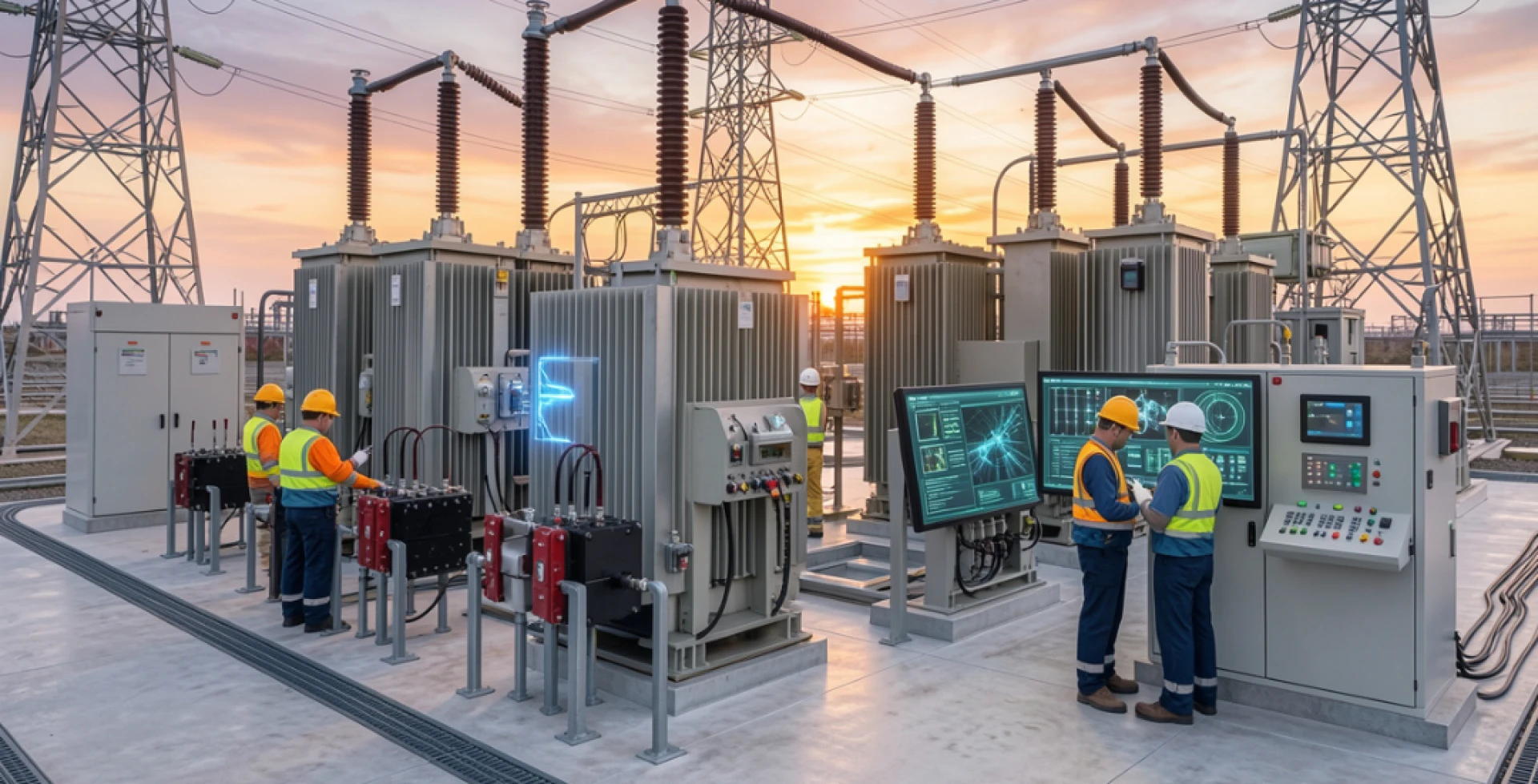

Modern utilities operate in an increasingly complex and dynamic energy environment. With growing electricity demand, renewable integration, and aging infrastructure, maintaining a reliable and efficient power grid is more challenging than ever. This is where power systems studies play a critical role.
Electrical power system analysis provides utilities with the insights needed to design, operate, and optimize their networks effectively. From preventing outages to improving system stability, a detailed power system study is essential for ensuring long-term performance and safety.
Understanding Electrical Power System Analysis
Electrical power system analysis involves evaluating the performance, stability, and reliability of an electrical network under various operating conditions. It includes a range of technical assessments such as load flow analysis, short circuit studies, protection coordination, and stability analysis.
These studies allow utilities to simulate real-world scenarios and predict how the system will behave during normal operations and fault conditions. By identifying potential weaknesses, utilities can take proactive measures before issues escalate into costly failures.
Enhancing Grid Reliability and Stability
One of the primary reasons utilities invest in detailed system analysis is to ensure grid reliability. Power outages not only disrupt daily life but also result in significant financial losses for businesses and communities.
Through advanced analysis, utilities can:
- Identify overloaded lines and equipment
- Predict voltage instability issues
- Analyze system response to sudden load changes
This proactive approach helps maintain a stable power supply even during peak demand or unexpected disturbances. Ultimately, it ensures that electricity is delivered consistently and safely to consumers.
Supporting Infrastructure Planning and Expansion
As cities grow and industries expand, utilities must continuously upgrade their infrastructure. A well-executed power system study provides valuable data that supports informed decision-making during planning and expansion projects.
It helps engineers determine:
- Optimal locations for substations and transmission lines
- Equipment sizing and capacity requirements
- Future load growth impacts
Without proper analysis, utilities risk overloading systems or investing in inefficient designs. By relying on accurate data, they can build scalable and cost-effective power networks.
Improving Safety and Fault Management
Electrical faults are inevitable in any power system. However, their impact can be minimized with proper analysis and planning. Fault studies allow utilities to understand how the system reacts during short circuits or equipment failures.
This information is crucial for:
- Designing effective protection systems
- Selecting appropriate circuit breakers
- Ensuring safe fault clearing times
With accurate fault analysis, utilities can protect both equipment and personnel while minimizing downtime. Safety becomes a built-in feature of the network rather than a reactive measure.
Facilitating Renewable Energy Integration
The global shift toward renewable energy sources such as solar and wind has added new complexity to power systems. These sources are intermittent and can introduce variability into the grid.
Through detailed power systems studies, utilities can:
- Analyze the impact of renewable generation on voltage and frequency
- Ensure grid stability with distributed energy resources
- Optimize energy flow between conventional and renewable sources
Proper analysis ensures that renewable integration does not compromise system reliability. Instead, it enables utilities to transition smoothly toward a cleaner energy future.
Optimizing Operational Efficiency
Efficiency is a key concern for utilities aiming to reduce operational costs while maintaining high service standards. Power system analysis helps identify inefficiencies within the network and provides actionable solutions.
Utilities can use analysis results to:
- Reduce transmission losses
- Improve load balancing
- Optimize asset utilization
By continuously monitoring and analyzing system performance, utilities can operate more efficiently and extend the lifespan of critical infrastructure.
Ensuring Regulatory Compliance and Standards
Utilities must adhere to strict regulatory standards and industry guidelines. Electrical power system analysis plays a vital role in demonstrating compliance with these requirements.
Accurate studies help utilities:
- Meet safety and reliability standards
- Provide documented evidence for audits
- Align with national and international regulations
Compliance not only avoids penalties but also builds trust with stakeholders and customers.
Conclusion
In today’s evolving energy landscape, electrical power system analysis is no longer optional—it is essential. From ensuring reliability and safety to supporting renewable integration and infrastructure planning, power systems studies provide the foundation for efficient and resilient utility operations.
A comprehensive power system study empowers utilities to make informed decisions, reduce risks, and deliver uninterrupted power to their customers. As demand continues to grow and technologies evolve, investing in advanced analysis will remain a key driver of success for modern utilities.

























Sign in to leave a comment.