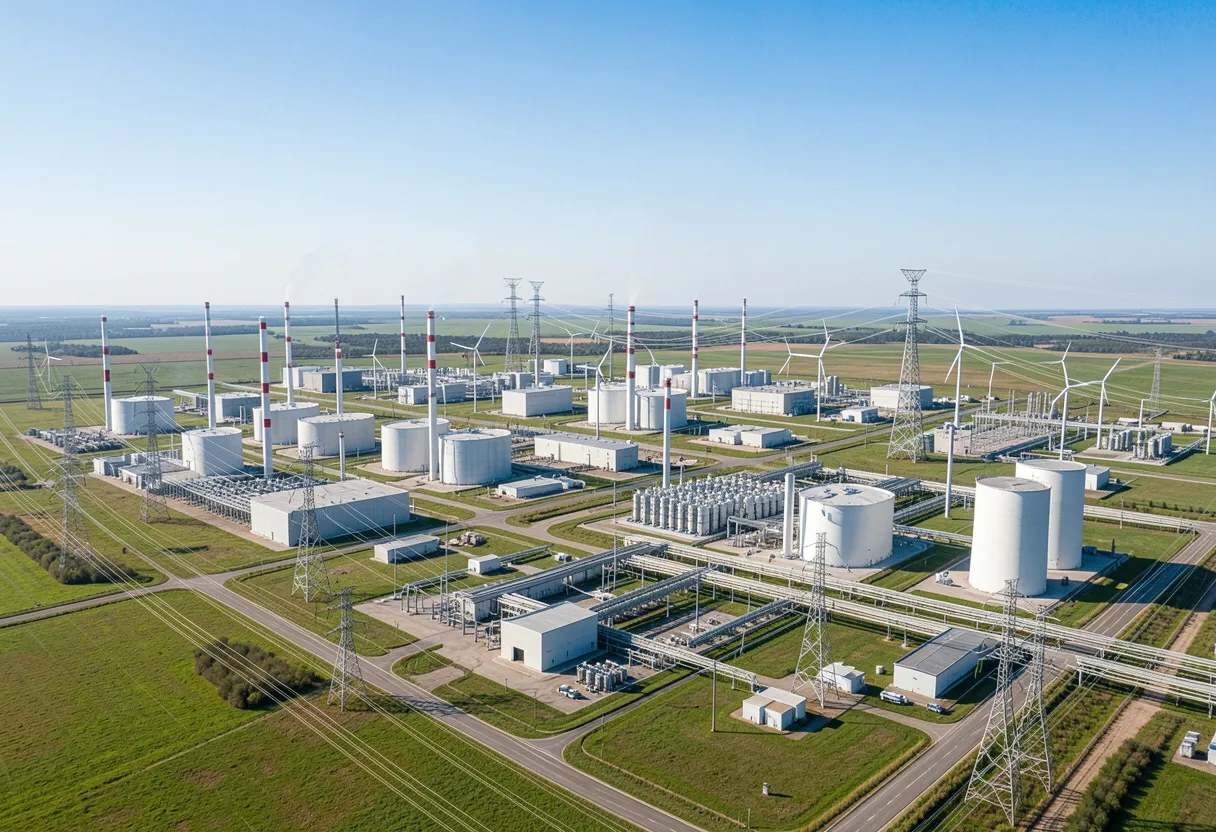

Electrical substations are the backbone of modern power systems. They ensure electricity is transmitted, transformed, and distributed safely and efficiently from generation sources to end users. A well-planned substation is essential for system reliability, safety, and long-term performance.
This guide explains the key principles, components, and engineering considerations involved in substation planning and development, with a focus on practical design approaches used in modern power systems.
1. Understanding the Role of Substations in Power Systems
Substations act as critical nodes in the electrical grid. Their main functions include voltage transformation, power flow control, switching operations, and system protection.
In a typical power network, electricity generated at power plants is transmitted at high voltages to reduce losses. Before reaching consumers, the voltage must be stepped down through substations to safe, usable levels.
A well-executed substation engineering design ensures efficient energy transfer while maintaining system stability and protection. Engineers must consider load demand, fault levels, and system reliability during the planning stage.
2. Key Components of a Substation
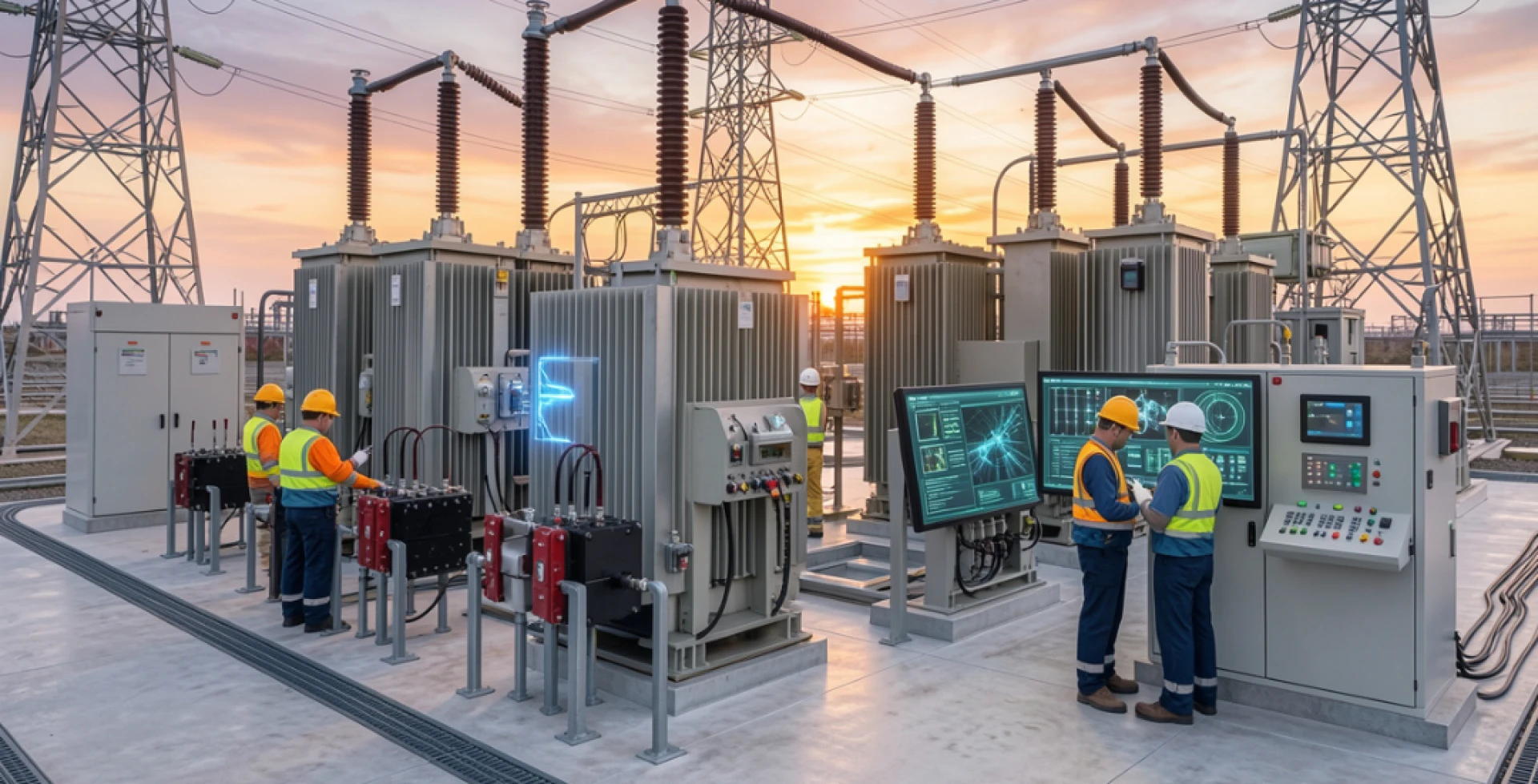
A modern substation consists of several interconnected components that work together to manage electrical power safely and efficiently.
Key equipment includes:
- Power transformers for voltage conversion
- Circuit breakers for fault isolation
- Isolators and switches for safe maintenance
- Busbars for power distribution
- Protective relays and control systems
- Instrument transformers (CTs and PTs) for measurement
Each component plays a specific role in ensuring operational safety and system protection. Proper selection and integration of these elements are central to effective electrical substation design.
3. Electrical Substation Layout Planning
The electrical substation layout is one of the most important stages in substation development. It determines how equipment is arranged for optimal performance, safety, and maintenance accessibility.
A good layout should ensure:
- Minimum transmission losses
- Safe clearance between live components
- Easy access for maintenance and operation
- Efficient use of available land
- Clear separation of high-voltage and low-voltage zones
There are several common layout types, including:
- Single busbar system
- Double busbar system
- Ring bus system
- Breaker-and-a-half arrangement
The selection depends on system reliability requirements, budget, and future expansion plans.
4. Engineering Design Considerations
Designing a substation requires a detailed engineering approach that balances technical performance, safety standards, and cost efficiency.
Key factors include:
Load Forecasting
Accurate load estimation ensures the substation can handle current and future demand without overload.
Short Circuit Analysis
Fault level calculations help determine the ratings of equipment such as breakers and busbars.
Grounding System Design
A proper earthing system protects equipment and personnel from electrical faults and lightning surges.
Environmental Conditions
Temperature, humidity, pollution levels, and seismic conditions all influence design decisions.
A professional electrical substation design process integrates these factors to create a reliable and durable system.
5. Safety Standards and Protection Systems
Safety is a top priority in substation development. Electrical substations operate at high voltages, making protective systems essential for both equipment and human safety.
Protection systems include:
- Overcurrent and earth fault relays
- Differential protection for transformers
- Surge arresters for lightning protection
- Automatic tripping systems for fault isolation
In addition, strict safety protocols such as proper insulation coordination, fencing, and signage are necessary to prevent accidents.
Modern substation engineering design follows international standards such as IEC and IEEE guidelines to ensure safe operation under all conditions.
6. Modern Trends in Substation Design
With advancements in technology, substations are becoming more intelligent, compact, and efficient. Digitalization and automation are transforming traditional power infrastructure.
Key trends include:
- Smart substations with real-time monitoring
- SCADA-based control systems
- GIS (Gas Insulated Substations) for compact design
- Remote operation and diagnostics
- Integration with renewable energy systems
These innovations improve system reliability, reduce maintenance costs, and enhance operational efficiency. The evolution of electrical substation layout design is now strongly influenced by smart grid technologies and sustainability goals.
Conclusion
A well-designed substation is essential for a stable and efficient power system. From planning and layout to protection and automation, every stage of development requires careful engineering analysis and technical expertise.
Understanding the fundamentals of electrical substation design and layout helps engineers build systems that are safe, scalable, and future-ready. Whether it is a small distribution substation or a large transmission hub, proper design ensures long-term reliability and performance.
At Keentel Engineering, advanced engineering practices and industry standards are applied to deliver efficient, safe, and optimized substation solutions tailored to modern power demands.




















Sign in to leave a comment.