

In today’s fast-paced digital landscape, relying on a single social media platform is like putting all your eggs in one basket — risky, limiting, and potentially costly. The world of social media is evolving at lightning speed, and 2025 is shaping up to be the year where businesses can no longer afford to play it safe on just one or two channels. Whether you’re a small startup or a global brand, a multi-platform social strategy isn’t just a trend — it’s a survival necessity.
The Changing Face of Social Media
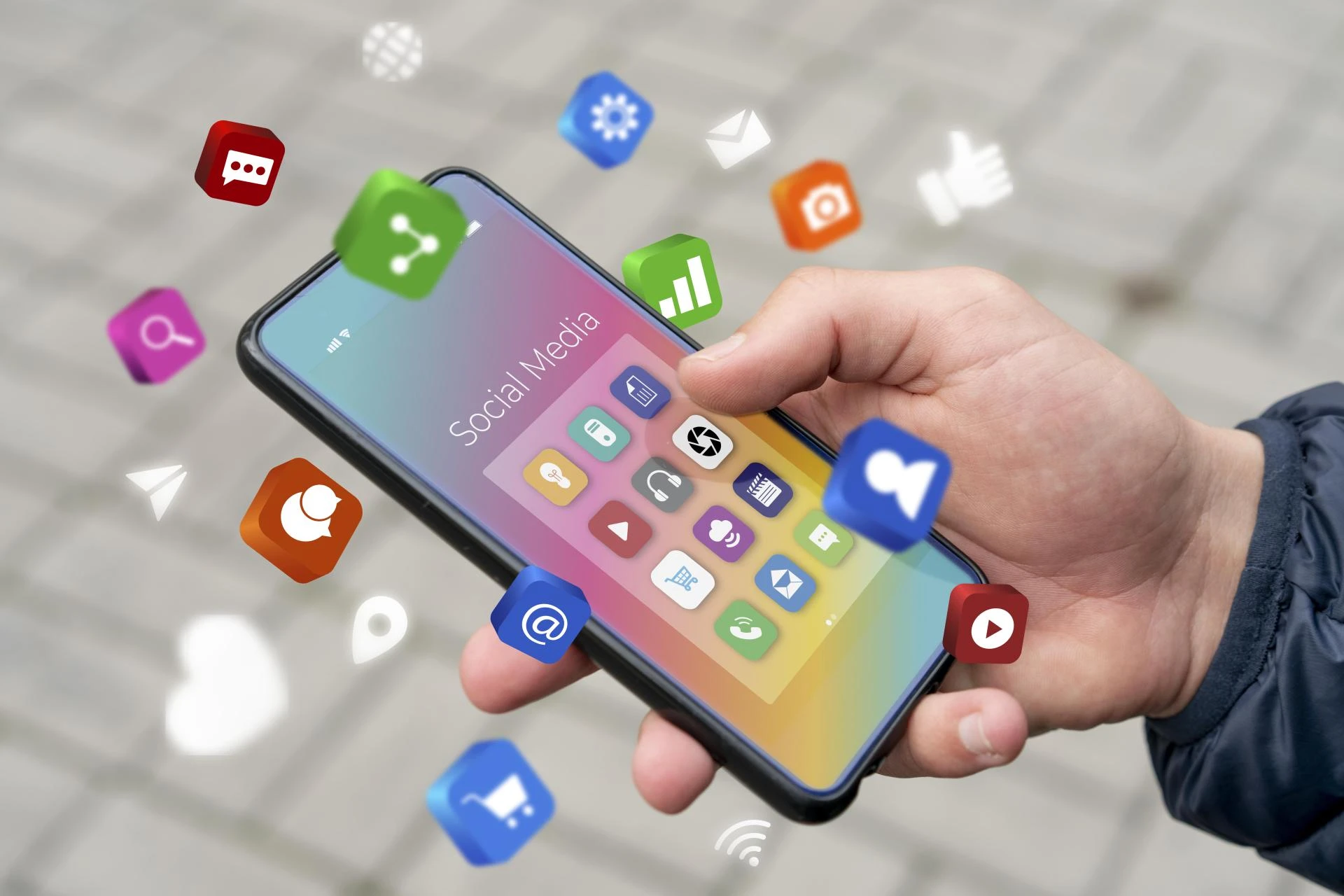
Facebook's reign as the supreme ruler of social media was not so far back. After that, social media platforms like Instagram, Twitter (now called X), TikTok, YouTube Shorts, and LinkedIn in the professional space have been competing and gaining popularity. Nowadays, every platform is devoted to a specific audience that differs in terms of content preferences, engagement styles, and algorithms.
Consumers are no longer faithful to one platform only - they switch between apps according to their mood, interest, or purpose. They can, for example, watch Instagram Reels for fun, go to LinkedIn for career tips, and look for how-to videos on YouTube - all in the same hour. This change indicates that your company has to be present on the same platforms as your customers, not just where it is most suitable for you.
The Algorithm Game: Don’t Get Left Behind
Every single platform has got its own set of rules, and those rules are constantly changing. Algorithms determine the visibility, timing, and interaction of the content viewed by users. Being dependent on one platform means that one company's algorithmic decisions are the ones you have to live with.
Just picture it: you spend years on Instagram creating a huge following, and then, poof, your reach suddenly drops because of a new algorithm, update. It’s not only maddening but also a risk to your business. A multi-platform strategy will act as your buffer against these sudden shifts. In case one of the platforms experiences a drop in engagement, your presence on the other platforms will be able to keep the audience connection alive.
Different Platforms, Different Strengths
Each social media channel offers something unique — and smart businesses know how to play to those strengths.
- Facebook remains strong for community building and targeted advertising.
- Instagram shines for visual storytelling and brand aesthetics.
- LinkedIn is perfect for B2B networking, thought leadership, and recruitment.
- TikTok dominates short-form video and virality.
- YouTube offers longevity — content here continues to generate views months or even years after it’s posted.
- Pinterest drives powerful search-based discovery, especially for lifestyle and e-commerce brands.
When your brand creates content tailored for each platform’s strengths, you’re not just repeating messages — you’re strategically adapting to how each audience prefers to connect.
Meeting Your Audience Where They Are
Consumers have already set the expectation that brands should be present in their chosen hangout. A possible user could, for instance, see your company on TikTok, keep an eye on your Instagram account for news, and after that, buy your product based on a review they read on Facebook or LinkedIn.
Through a multi-platform strategy, a unified journey is provided over all the different touchpoints. It is very important to treat every platform as a separate entity, you rather come up with an integrated ecosystem which is the one that is built around familiarity and trust. The more places that your brand is seen, the greater the probability that customers will remember and interact with you.
Data and Insights: The Hidden Advantage
When you’re active across multiple platforms, you collect a richer, more diverse set of data about your audience. You can learn what content performs best, which demographics engage the most, and which channels drive conversions.
This cross-platform data gives you a full picture of your customer behavior. You can refine your marketing, personalize your messaging, and make smarter ad spend decisions. It’s like having multiple lenses to view your audience — each one offering insights the others can’t.
The Power of Consistency and Adaptability
Being everywhere doesn’t mean spreading yourself thin. It means showing up consistently with a unified brand voice, while adapting your content to fit each platform’s culture.
For example, the same message can look very different across platforms:
- A LinkedIn post might share a business insight.
- A TikTok video could highlight the same idea with humor or storytelling.
- An Instagram Story might show behind-the-scenes context.
Consistency builds recognition, while adaptability builds relevance.
Staying Competitive in 2025
In 2025, consumers will continue to expect brands to engage authentically, create value-driven content, and respond quickly. Brands that only focus on one platform risk fading into obscurity as algorithms and user preferences evolve.
Meanwhile, businesses that diversify their presence stay ahead of the curve — connecting with new audiences before their competitors even realize the opportunity exists. That’s especially true as emerging platforms gain traction. Being an early adopter can give your brand a massive edge.
How to Get Started with a Multi-Platform Strategy
If managing different social media platforms is too much for you, pick the one with the least features and start there. Then after mastering the first one, move on to the second and third so that they also suit the needs of your audience and your business. Take advantage of the scheduling tools to plot your content in an efficient way, reuse posts on different platforms, and monitor the performance metrics together.
You won't need to show up and be part of everything right away — but it is a must that you have a strong base which will allow your brand to grow in a planned way.
And in case you cannot spare the time and do not have the skills necessary to get the job done, think of engaging a partnership with the people who provide social media marketing assistance. They will guide you in the making of a unified plan, handle the campaigns, and make sure that your brand has the same active and attractive presence on all platforms.
Final Thoughts
The social media landscape in 2025 is not only larger but also more dynamic, fragmented, and competitive than ever. A multi-platform strategy has become not just a choice but a necessity for visibility, stability, and growth.
Your target customers are not limited to one application and neither should your marketing. By going to people’s places, getting the best from each platform, and having a consistent message, you will not only be relevant but also prosper in the fluctuating realm of digital interaction.






















Sign in to leave a comment.