

Many companies believe their main crisis management team can handle every emergency. This plan only works well if a crisis happens at the main office. Problems begin when an emergency happens at another location that is far away. If the local site has no trained team that knows the place and the people then help can arrive too late. A slow response often leads to more damage and more risk to people and business operations.
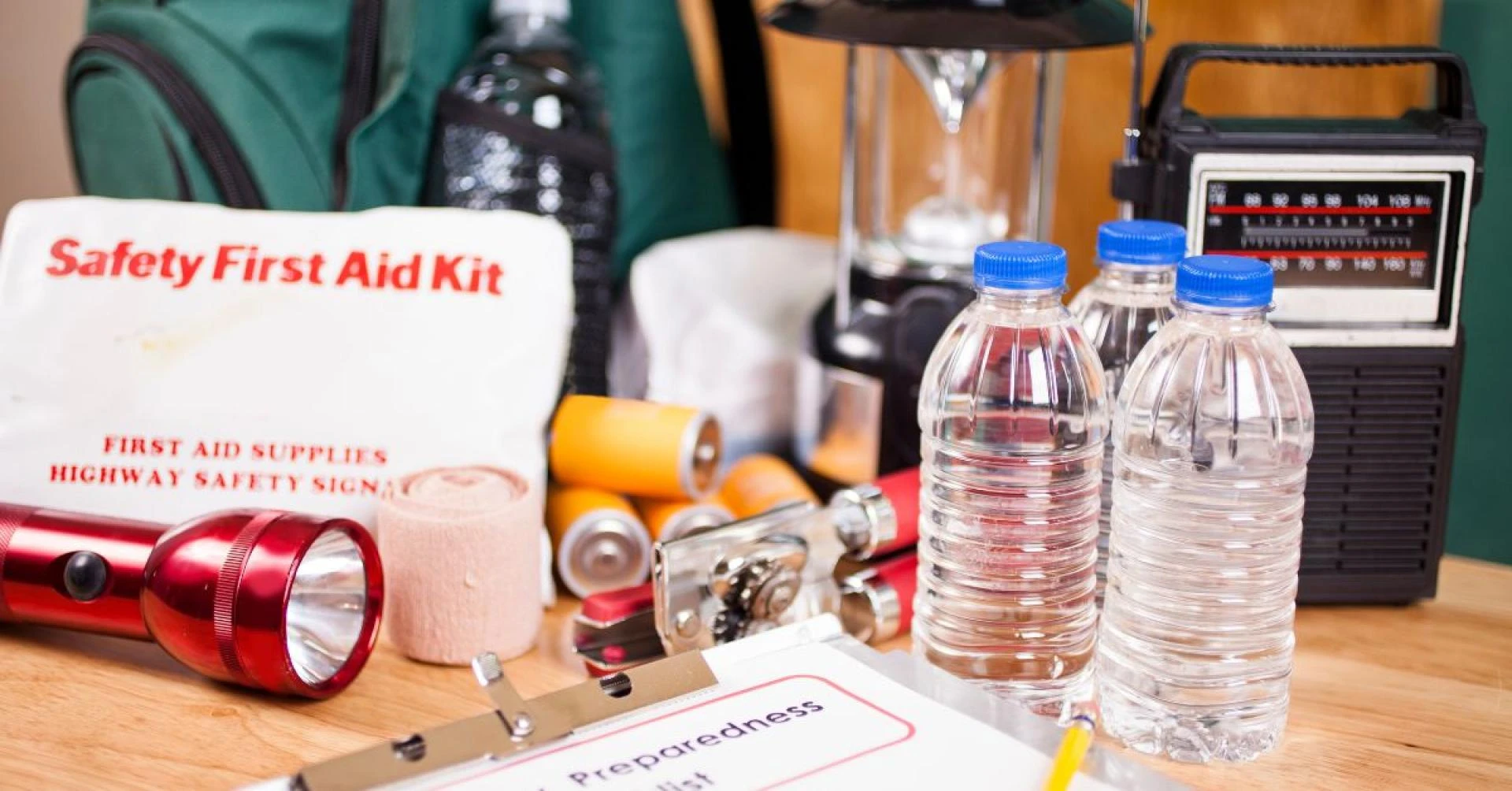
This is why every business site needs its own crisis management team to ensure that you have business continuity planning. If your company has more than one location, then this could help you recover faster and protect what matters most.
Local Crises Need Local Leadership
Emergencies can happen anywhere. They not only affect company headquarters. Whether it is a
- Warehouse
- Sales office
- Factory
Each site faces its own unique risks. This is why each location must have its own crisis management team. A local team is better positioned to handle site-specific emergencies quickly and effectively.
This early response is key to maintaining control and minimizing damage.
Build on the Corporate Plan
You do not need to create a local crisis plan from scratch. The corporate crisis plan can serve as a strong foundation. Local teams can use it to understand key processes and then adapt it to their own needs. Each site has different operations, risks, and layouts. The plan should reflect these differences.
This approach supports consistency across the company and allows each local team to act quickly when an emergency occurs.
Choose the Right People for the Job
A local crisis team should include employees who are calm under pressure and familiar with daily operations. This often means selecting department heads or site managers. However, the most important factor is their ability to lead during emergencies.
Clear roles and strong leadership are essential for a team to respond effectively in a real crisis.
Practice Makes Prepared
One of the best ways to build readiness is through regular practice. Each location should run crisis drills that reflect the risks it might face. These exercises can help the team understand what to do and where to improve.
Practicing helps everyone stay calm and follow the right steps if a real emergency occurs.
Keep Communication Strong and Reliable
In a crisis, clear communication saves time and lives. Every location needs tools that allow for fast alerts and updates. A mass notification system is often the best option. It allows messages to reach many employees at once using texts or apps.
Employees should also know how to respond and confirm that they received the alert. Training is important here, too. A communication tool only works if everyone knows how to use it properly.
A Stronger Business Starts at Every Location
Creating crisis teams at every site is one of the smartest ways to build resilience. These teams help you protect people and keep your operations running. When every location is ready, the whole organization becomes stronger and more prepared.

If you want expert guidance, you can explore services like Business Contingency Group which offers trusted business continuity consulting.
Your organization will be better prepared to face any emergency with confidence and stability by focusing on each site and building strong teams.

































Sign in to leave a comment.