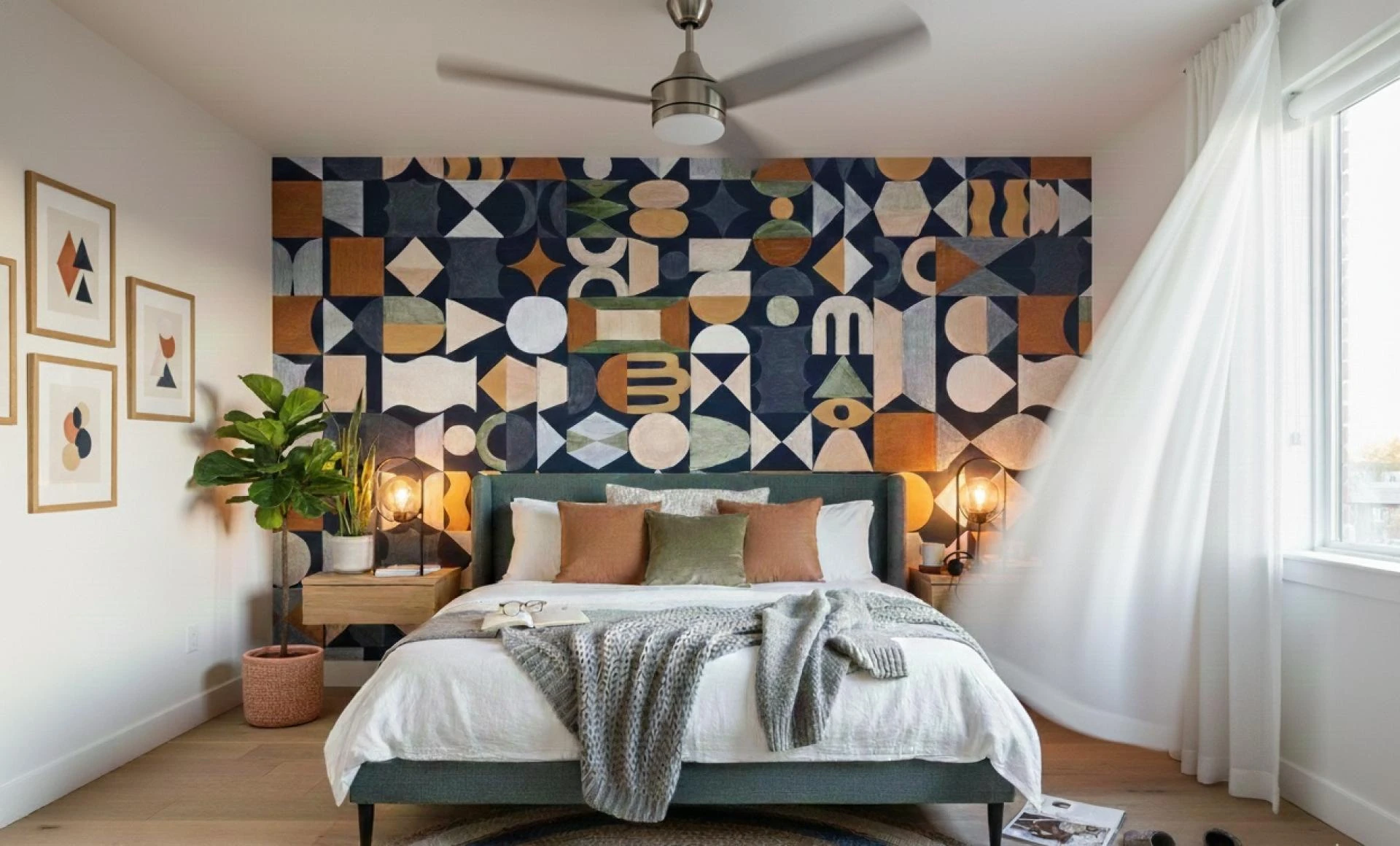

In the contemporary world of interior design, professionals are increasingly moving away from standard, repetitive patterns in favor of singular, large-scale visual statements. The primary reason designers favor a mural wallpaper is its ability to establish an immediate narrative within a room. Unlike traditional rolls of paper that feature small motifs, a mural acts as a customized piece of fine art tailored specifically to the dimensions of a wall. This approach allows for a more intentional use of space, where the architecture of the room and the wall covering work in perfect harmony.
Defining the Focal Point of a Room
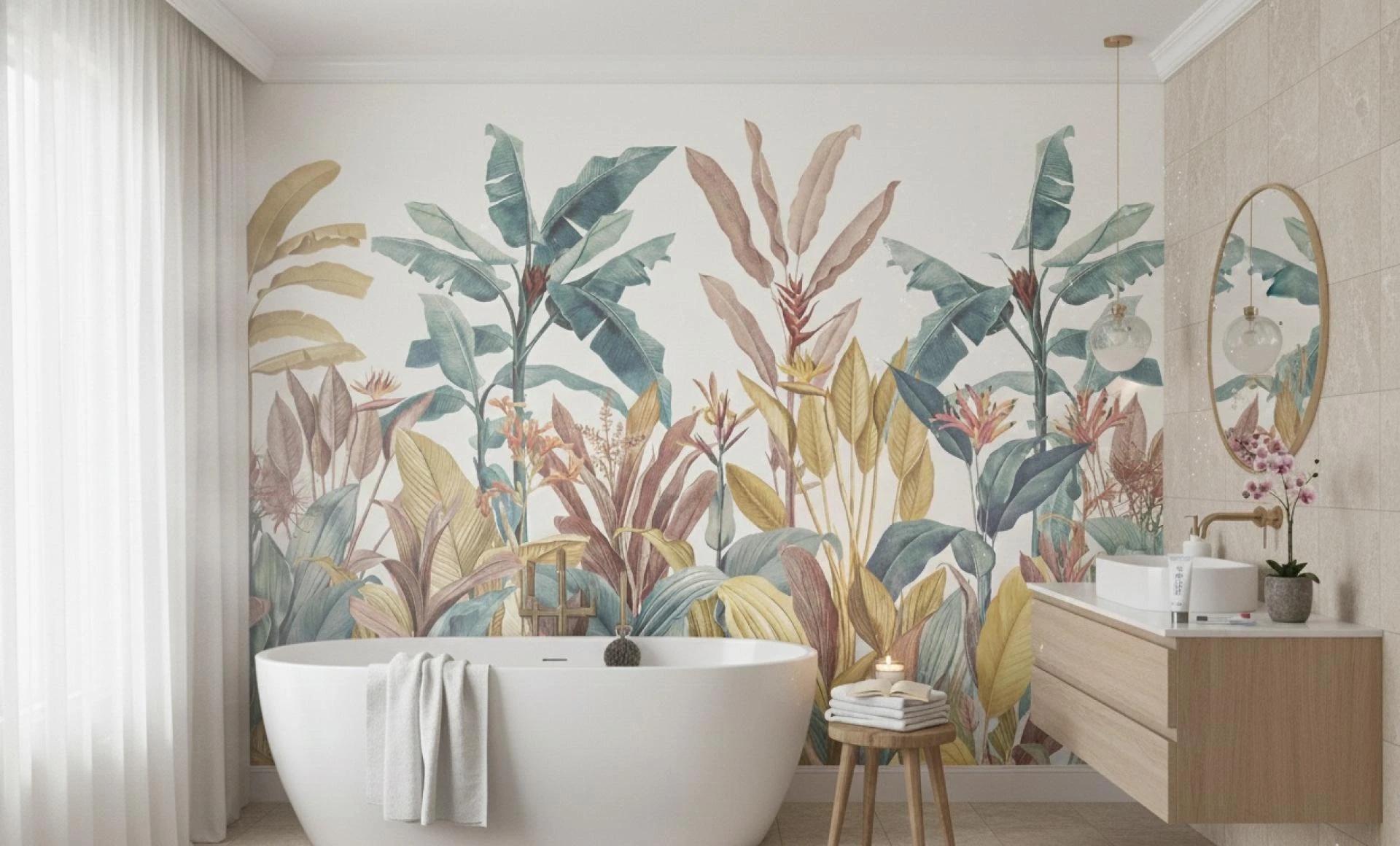
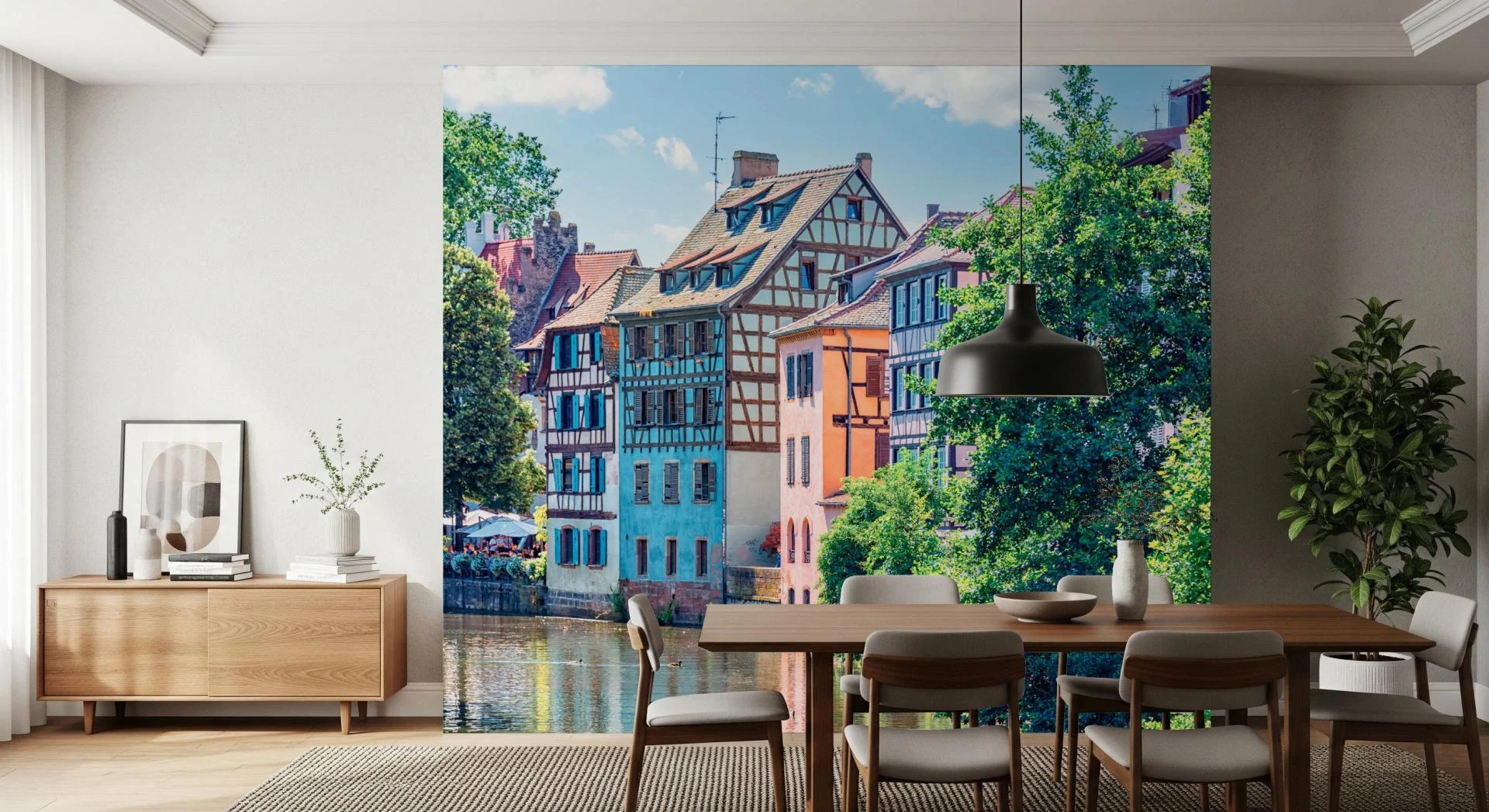
Interior design often relies on a central feature to anchor the rest of the furniture and decor. A wallpaper mural serves as the ultimate focal point, drawing the eye toward a specific area and creating a sense of purpose. Whether it is a panoramic landscape in a living room or a detailed botanical scene behind a bed, murals provide a depth of field that paint simply cannot replicate. Designers use this technique to make rooms feel more expansive, as the large-scale imagery tricks the eye into seeing past the physical boundaries of the wall.
The Return of Geometric Sophistication
For projects that require a sense of structure and luxury, many professionals look toward the balanced aesthetics of early 20th-century design. An art deco wallpaper choice brings a high-end, architectural feel to a space through its use of symmetrical lines and bold geometric shapes. In 2026, the trend is toward oversized Art Deco patterns that feel more like a structural element of the building than a simple surface treatment. This style is particularly effective in entryways and formal dining areas, where it establishes an atmosphere of permanence and elegance.
Expressing Personality through Painterly Styles
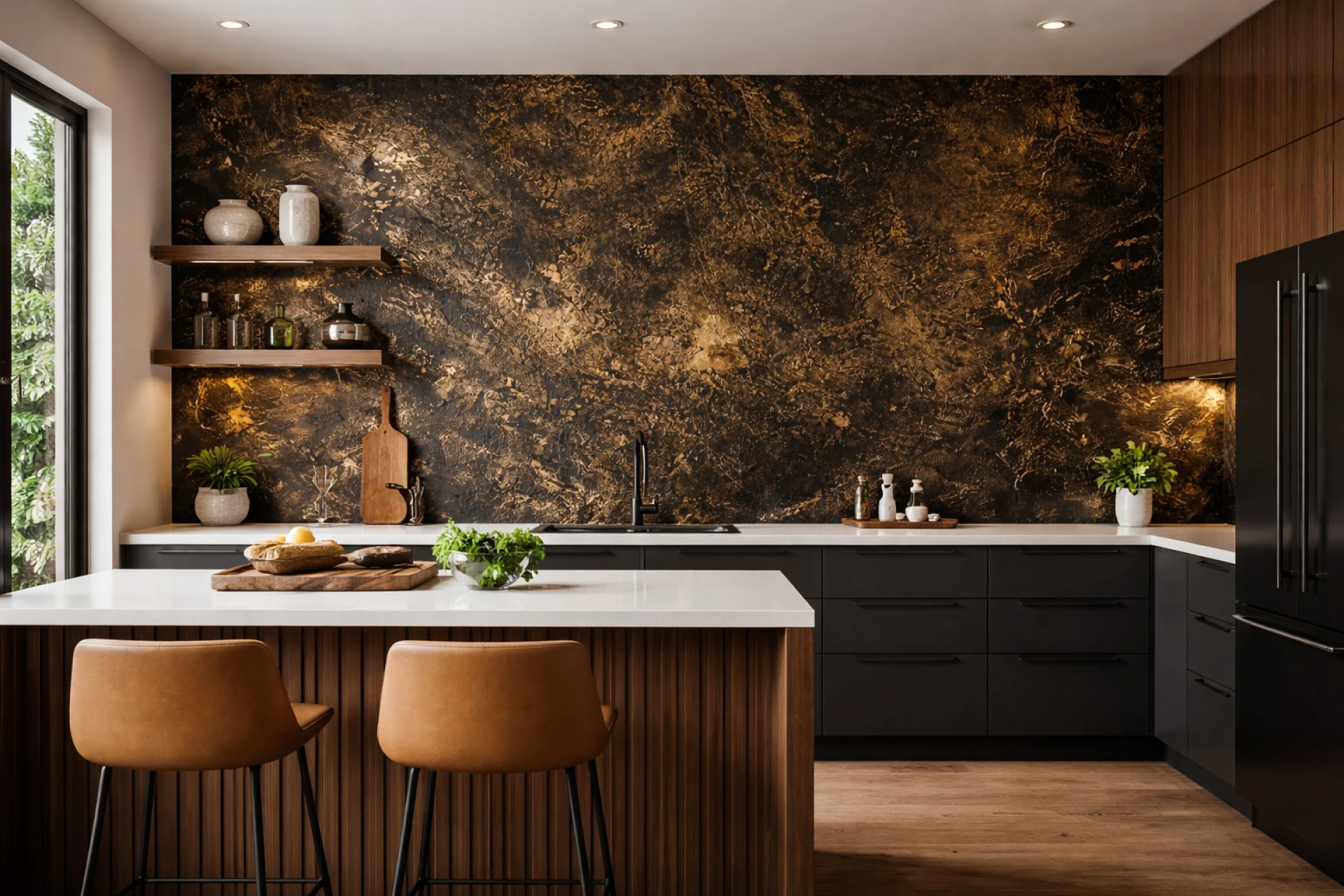
One of the most significant shifts in modern decor is the move toward "perfect imperfection." An artistic wallpaper often features visible brushstrokes, ink bleeds, or charcoal sketches that give the impression of a hand-painted installation. Designers recommend these styles because they add a human touch to the home, making the environment feel more personal and less mass-produced. These artistic murals allow homeowners to introduce complex color palettes and varied textures into a room without the need for multiple layers of physical artwork.
The Versatility of Non-Representational Design
When a space needs to remain open and fluid, abstract patterns are the go-to solution for many professionals. Choosing an abstract art wallpaper provides a sophisticated backdrop that does not compete with the furniture for attention. Abstract murals can range from soft, cloud-like gradients to sharp, energetic splatters of color. This flexibility makes them an ideal choice for modern offices or open-plan living areas where the wall covering needs to complement a variety of functional zones while maintaining a cohesive look.
Manipulating Proportions with Lines
Designers often use specific patterns to correct or enhance the perceived dimensions of a room. A striped wallpaper mural is a classic tool for making low ceilings appear much higher or narrow hallways feel longer. In 2026, the application of stripes has become more creative, often involving varied widths or textured finishes that mimic natural wood or fabric. By applying vertical or horizontal lines on a large scale, professionals can balance the proportions of a room, creating a more comfortable and visually pleasing environment.
Staying Relevant with Current Aesthetics
Keeping a home updated involves understanding which styles are currently leading the market. Selecting a tending wallpaper means choosing materials and motifs that reflect current cultural interests, such as biophilic design or eco-conscious textures. Designers often look to trending collections to find inspiration for accent walls that feel fresh and modern. By integrating these popular elements into a larger design scheme, you ensure that the home feels connected to contemporary sensibilities while still being a unique reflection of the inhabitants.
Practical Benefits for Large Wall Expanses
Beyond the visual impact, murals offer practical advantages for modern homeowners. Because they are printed on high-quality, durable materials, they are often easier to clean and maintain than standard wallpaper. Furthermore, the installation of a single mural can be more efficient than papering an entire room with a small-scale pattern. For designers working on large-scale commercial or residential projects, murals provide a high-impact solution that covers a large area with a single, cohesive image, ensuring that the design remains consistent from one end of the wall to the other.
Final Thoughts on Mural Selection
The decision to use a mural is an investment in the overall character of a home. By moving away from the safe and predictable, you allow the walls to become an active participant in the design. Whether you prefer the structured elegance of geometry or the fluid nature of abstract art, the right mural creates a foundation for a sophisticated and well-considered interior. As the industry continues to evolve, the mural remains a top recommendation for its ability to combine artistic beauty with modern functionality.






















Sign in to leave a comment.