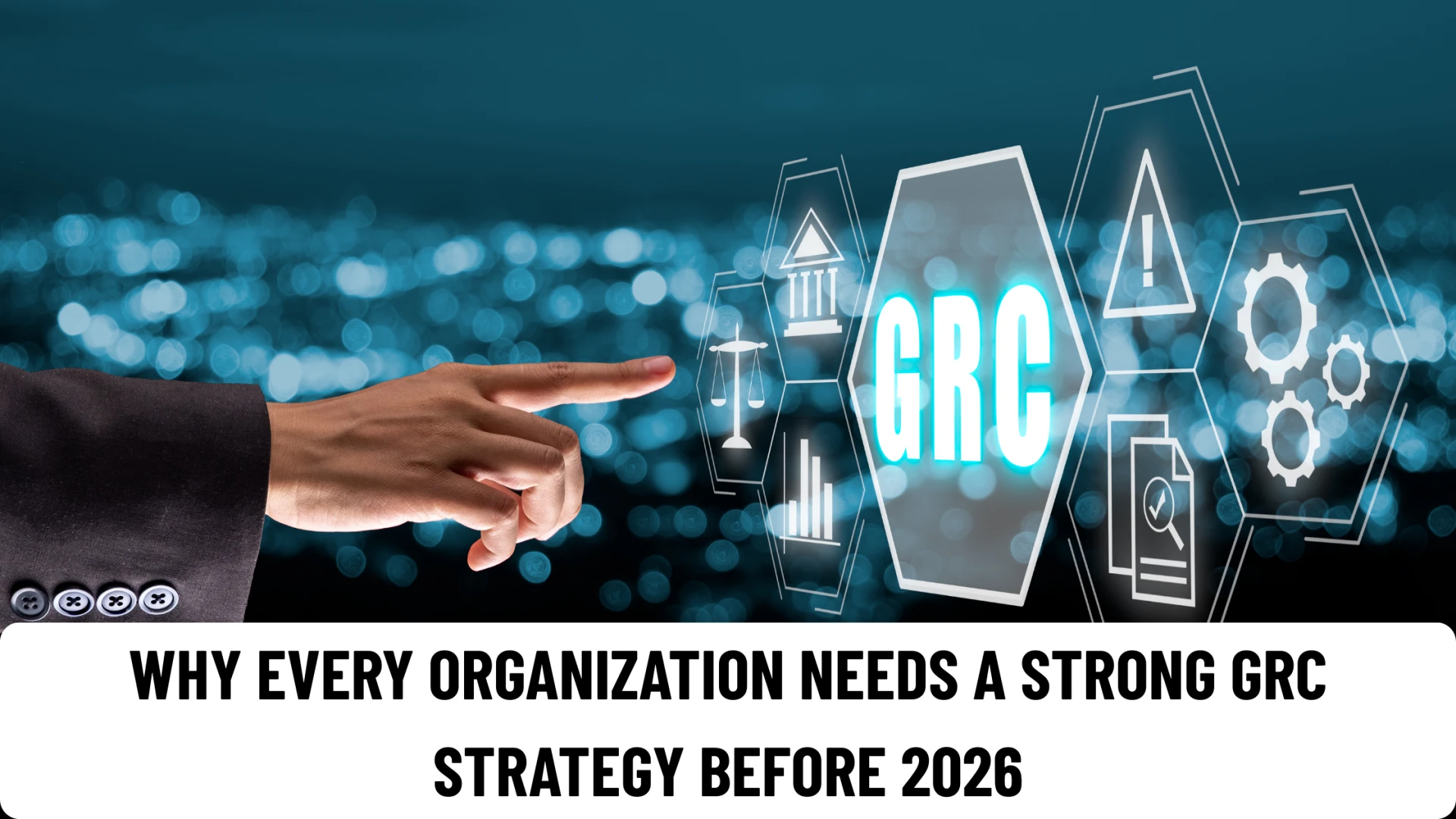
For a long time, Governance, Risk, and Compliance programs were treated as internal obligations. They existed to satisfy auditors, regulators, and board reporting requirements. As long as policies were documented and annual reviews were completed, most organizations considered their GRC programs “good enough.”
That mindset is changing quickly.
Between evolving cyber threats, increasing regulatory scrutiny, and the rapid adoption of cloud infrastructure, the traditional approach to risk management is starting to show its limits. Many companies are discovering that compliance alone does not guarantee resilience. What matters more is how well governance, risk management, and operational decision-making are actually connected.
This is why many organizations are revisiting how their GRC programs are designed and managed.
GRC Is No Longer Just a Compliance Function
Historically, GRC initiatives were often driven by compliance teams. The goal was to meet specific regulatory requirements and maintain documentation that could be presented during audits.
But risk today moves faster than compliance cycles.
Security incidents, operational disruptions, supply chain failures, and regulatory changes can all impact organizations within days rather than months. When GRC programs operate as isolated compliance exercises, they struggle to provide leadership with real visibility into those risks.
Modern GRC strategies are shifting toward something more integrated. Instead of focusing only on policy management and reporting, they aim to connect governance decisions directly with operational realities.
That means risk insights should inform leadership discussions, security controls should align with business priorities, and compliance efforts should support overall organizational resilience.
The Growing Complexity of Organizational Risk
Another reason companies are reevaluating their GRC strategies is simple: the risk landscape is becoming more complex.
Digital transformation has introduced new dependencies. Cloud environments, third-party vendors, SaaS platforms, and remote work infrastructures all expand the potential attack surface and operational risk profile.
At the same time, regulatory expectations are increasing across industries. Data protection laws, financial regulations, cybersecurity mandates, and international compliance standards all require organizations to demonstrate stronger governance practices.
Without a structured GRC framework, it becomes difficult to manage these overlapping responsibilities.
A well-designed GRC program helps organizations create clarity. It provides a structured way to identify risks, prioritize them, and ensure that mitigation efforts are aligned with business objectives.
What an Effective GRC Strategy Actually Looks Like
Strong GRC strategies tend to share a few common characteristics.
First, they are clearly tied to organizational leadership. Governance decisions cannot be effective if they remain isolated from executive oversight. Senior leadership and boards need clear visibility into the organization’s risk posture and compliance obligations.
Second, they rely on structured risk identification and assessment. Rather than reacting to isolated incidents, organizations continuously evaluate where risks exist and how those risks could affect operations, reputation, or regulatory standing.
Third, effective GRC programs emphasize coordination across departments. Risk management is not just an IT issue or a compliance issue. Legal, security, operations, and executive leadership all play a role in maintaining effective governance.
Finally, strong GRC strategies focus on adaptability. Regulations evolve, technologies change, and business priorities shift. A rigid compliance program cannot keep up with that environment. A flexible GRC framework can.
Preparing for the Next Phase of Governance and Risk Management
As organizations approach 2026, many leaders are recognizing that governance and risk management must evolve alongside their digital transformation efforts.
Building an effective GRC strategy today is less about satisfying a checklist and more about creating a system that supports long-term resilience.
For organizations that want a deeper look at how modern GRC programs are being structured, this detailed guide explains the full approach step by step:
https://parafoxtechnologies.in/how-to-create-an-effective-grc-strategy-for-2026/
The article breaks down the practical components of a modern governance, risk, and compliance framework and how businesses can prepare their programs for the challenges ahead.
Final Thoughts
Governance, Risk, and Compliance is no longer a background function. It has become a strategic capability that helps organizations navigate uncertainty, manage regulatory expectations, and build operational resilience.
Companies that take the time to design thoughtful GRC strategies today will be far better prepared for the complexity of tomorrow’s business environment.
And as many organizations are realizing, the earlier those foundations are built, the easier it becomes to adapt when the next challenge arrives.


























Sign in to leave a comment.