

Working outdoors is rewarding, but it also comes with unique risks—moving vehicles, low-light conditions, unpredictable weather, and constantly changing environments. Whether you’re in construction, traffic management, mining, landscaping, or utilities, staying visible is one of the simplest yet most powerful ways to stay safe on the job. That’s where class-rated hi vis workwear becomes essential.
In today’s safety-focused world, the difference between basic workwear and certified high visibility clothing is significant. Class-rated hi-vis gear isn’t just brightly coloured; it is tested, approved, and designed to meet strict visibility standards that protect you in real-world situations. When your job depends on being seen, nothing should be left to chance.
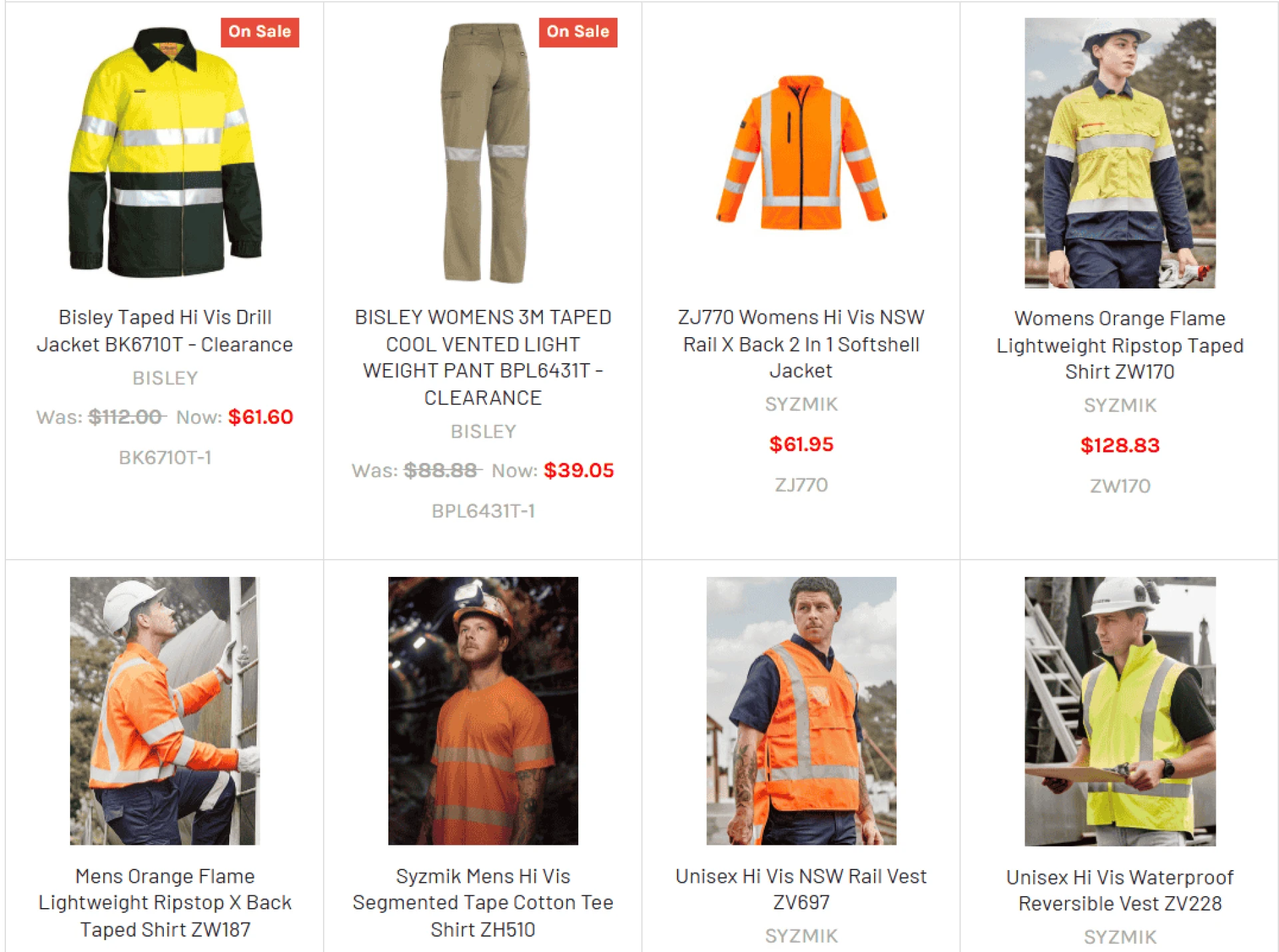
Understanding Why Visibility Matters
Outdoor worksites are dynamic. Vehicles move unpredictably, heavy equipment creates blind spots, and workers are often surrounded by distractions. In these environments, clear visibility can prevent accidents and save lives.
Class-rated hi vis clothing enhances your visibility by using high-contrast colours and reflective materials that catch the eye from long distances. Whether it’s at dawn, during night shifts, or in foggy weather, your apparel works as a visual signal for others around you. That extra second of visibility can mean everything when working near traffic or machinery.
What Makes Class-Rated Hi-Vis Workwear Different?
There are many hi-vis products on the market, but not all are created equal. Class ratings ensure that high visibility workwear meets specific safety standards. These ratings consider the amount of reflective tape, the level of fluorescent background material, and how effectively the garment can be seen under various conditions.
Some of the key benefits include:
1. Reliable Visibility at All Times
Class-rated clothing is tested in dim light, direct sun, and even wet conditions. This ensures your visibility remains consistent regardless of where or when you work.
2. Enhanced Protection
Because these garments are built for safety, they often include added features such as moisture-wicking fabrics, durable stitching, UV protection, and breathable panels. This allows workers to remain comfortable and protected throughout long shifts.
3. Compliance With Industry Requirements
Many industries legally require class-rated hi-vis gear. Wearing compliant apparel keeps workers safe and prevents businesses from facing penalties or failing safety inspections.
Who Should Be Wearing Class-Rated Hi-Vis Apparel?
If your work involves exposure to vehicles, machinery, or low-visibility conditions, class-rated hi-vis workwear should be considered essential rather than optional. Professionals who benefit most include:
- Road and traffic control teams
- Construction and civil workers
- Warehouse and logistics staff
- Farmers and agricultural workers
- Utility and maintenance crews
- Emergency and rescue personnel
- Mining and industrial teams
Even outdoor enthusiasts, cyclists, and runners now turn to hi vis clothing for added safety during early morning or late-evening activities.
Comfort Matters as Much as Visibility
There’s a common misconception that hi-vis workwear is bulky or uncomfortable. Modern designs have transformed this completely. Many high-visibility workwear pieces are created with lightweight fabrics, breathable mesh, moisture-wicking technology, and stretch panels for improved movement.
When workers are comfortable, they are more focused and at ease on the job. This not only boosts productivity but also enhances overall workplace morale. A well-fitted, lightweight hi-vis shirt or jacket can make outdoor work easier, especially in harsh Australian weather.
Durability for Tough Conditions
Outdoor professionals need clothing that can handle demanding environments. High-quality hi vis workwear is built to last, providing resistance to tearing, fading, and harsh UV rays. Reflective tapes are carefully designed not to peel or lose brightness over time. Investing in durable class-rated apparel saves money in the long run by reducing the need for frequent replacements.
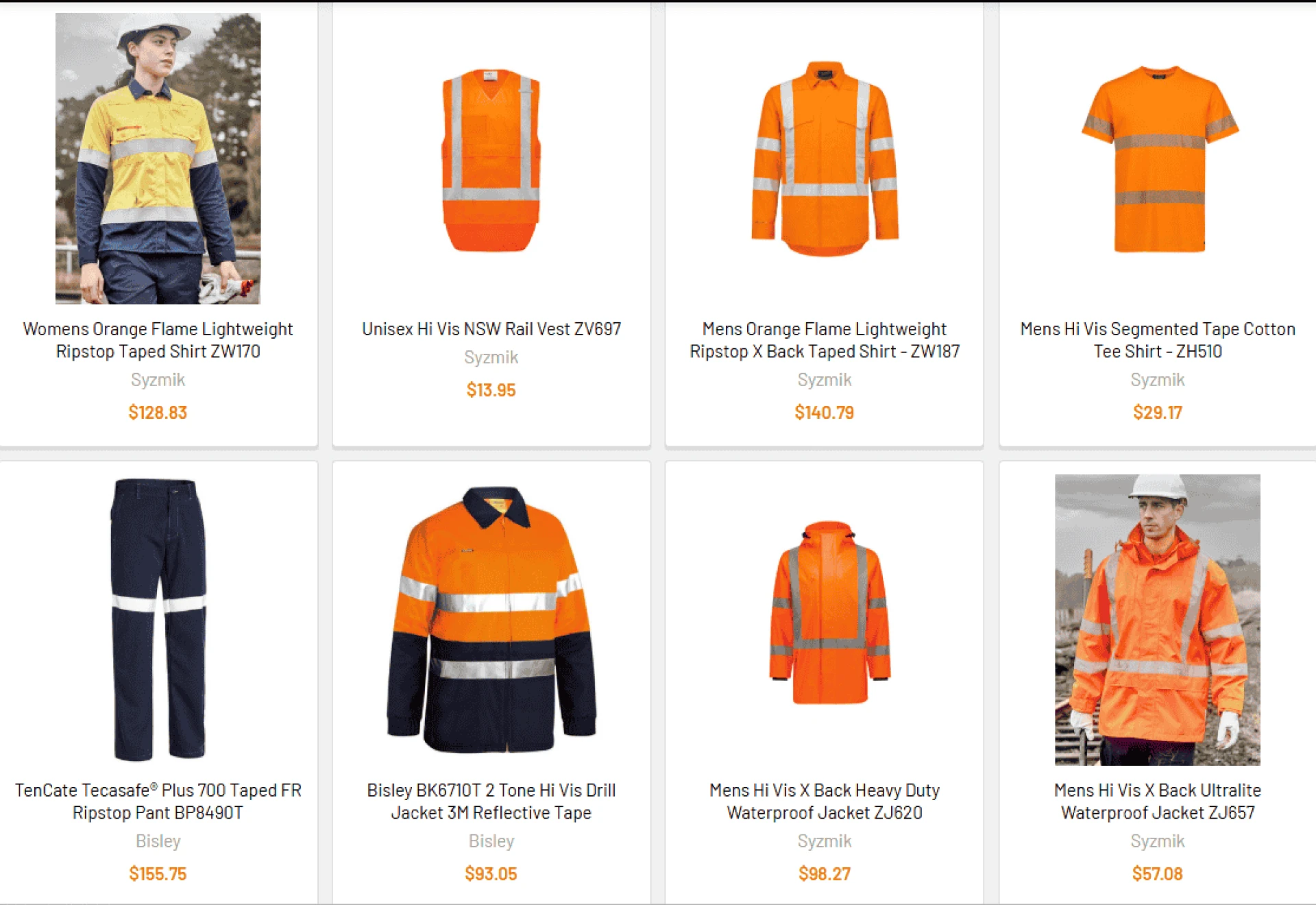
Choosing the Right Hi-Vis Clothing
Selecting the right high visibility workwear depends on your job requirements and environment. Consider the following when choosing hi-vis clothing:
- Class rating: Ensure it meets the appropriate standards for your industry.
- Colour: Lime, orange, and yellow are common; choose one that contrasts with your surroundings.
- Fit and comfort: Look for breathable, moisture-wicking fabrics and flexible designs.
- Type of gear: Vests, shirts, jackets, pants, and coveralls each serve different purposes.
- Reflective tape placement: Good designs provide 360-degree visibility.
Class-rated garments provide structure and reliability, giving workers peace of mind that their gear is genuinely protecting them.
Why Investing in Hi-Vis Workwear Is Worth It
The most important reason for choosing class-rated hi-vis gear is simple: your safety. Outdoor professionals face risks every day, and reducing those risks should always be a priority.
But beyond protection, hi-vis clothing also improves teamwork and communication. When workers can be easily identified across a busy site, it promotes smoother coordination and better efficiency. Supervisors can also monitor activity more effectively, preventing downtime and improving overall job performance.
And let’s not forget the professional image. Branded, high-quality hi-vis apparel helps businesses appear organised, safety-driven, and dependable—qualities that clients and contractors appreciate.
Final Thoughts
Class-rated hi-vis apparel is more than just brightly coloured workwear—it’s an investment in safety, confidence, and long-term wellbeing. For outdoor professionals, having reliable visibility can make every shift safer and more manageable.
Whether you're managing a team or working independently, choosing the right hi vis workwear ensures you’re protected from the moment you step onto the site. When safety, comfort, and durability come together, you get workwear that truly supports you every day.


























Sign in to leave a comment.