

The way people eat together has changed dramatically over the last decade. Earlier, meals were not just about food—they were about connection, conversation, and quality time. Families gathered around dining tables, shared stories from their day, discussed important matters, and strengthened relationships through simple daily rituals. Today, however, modern lifestyles have changed these habits significantly.
Busy work schedules, school pressure, mobile phones, streaming platforms, and social media have reduced meaningful family interactions. Even when family members are physically present in the same space, they are often mentally occupied with screens or personal routines. This growing digital and lifestyle shift has created an unexpected problem—families are spending less quality time together.
At the same time, fast food culture has grown rapidly. Quick meals, delivery apps, takeaway counters, and instant food options have made eating more convenient than ever. Convenience certainly helps modern life, but it has also changed the emotional value of meals. Food is increasingly becoming functional rather than relational.
This is why family dining has become more important than ever. Shared dining experiences offer something fast food culture often cannot—real human connection.
Meals Were Once Emotional Experiences
In traditional family life, meals held emotional importance. Breakfast, lunch, or dinner provided opportunities for communication and bonding. These daily moments helped strengthen relationships naturally.
Families laughed together, discussed challenges, celebrated small achievements, and created memories without planning special events. Dining became a social ritual that supported emotional well-being.
Modern life has reduced many of these routines. Families now eat at different times due to conflicting schedules. Children may eat while watching videos, parents may eat while working, and conversations often become shorter or less meaningful.
This gradual shift has reduced the emotional depth associated with shared meals.
Family dining helps restore that lost connection.
It brings people back to one table.
That simple act can have powerful emotional benefits.
Fast Food Prioritizes Speed Over Connection
Fast food culture is built around efficiency. Its main promise is speed, convenience, and immediate satisfaction. This works well when time is limited, but it often reduces the social experience of eating.
Fast food meals are usually quick, rushed, and highly individual. People order separately, eat quickly, and move on with their day. The focus stays on consumption rather than experience.
There is nothing inherently wrong with convenience, but when convenience dominates daily eating habits, something important gets lost.
Meals stop becoming meaningful shared experiences.
Over time, this affects family communication.
Families may begin spending less time talking, listening, and connecting emotionally. This is especially concerning in households with children, where consistent communication plays a major role in emotional development.
Family dining helps counter this trend.
Dining Together Improves Communication
One of the biggest benefits of family dining is better communication. Sitting together without distractions naturally creates opportunities for conversation.
Children talk more openly when they feel relaxed. Parents gain better understanding of what is happening in their children’s lives. Family members feel heard and emotionally supported.
Even simple conversations matter.
Discussing school, work, hobbies, or daily experiences helps build trust. Over time, these small interactions strengthen family relationships.
Good communication rarely happens automatically in modern busy life. It needs intentional spaces where people can slow down and engage with each other.
Restaurants that create comfortable dining environments support these interactions beautifully.
This is one reason many families now prefer visiting the Best family restaurant in Bharatpur for quality time rather than choosing rushed food options.
The environment matters.
Ambience Changes the Dining Experience
Dining is not only about food. The environment plays a major role in shaping the experience.
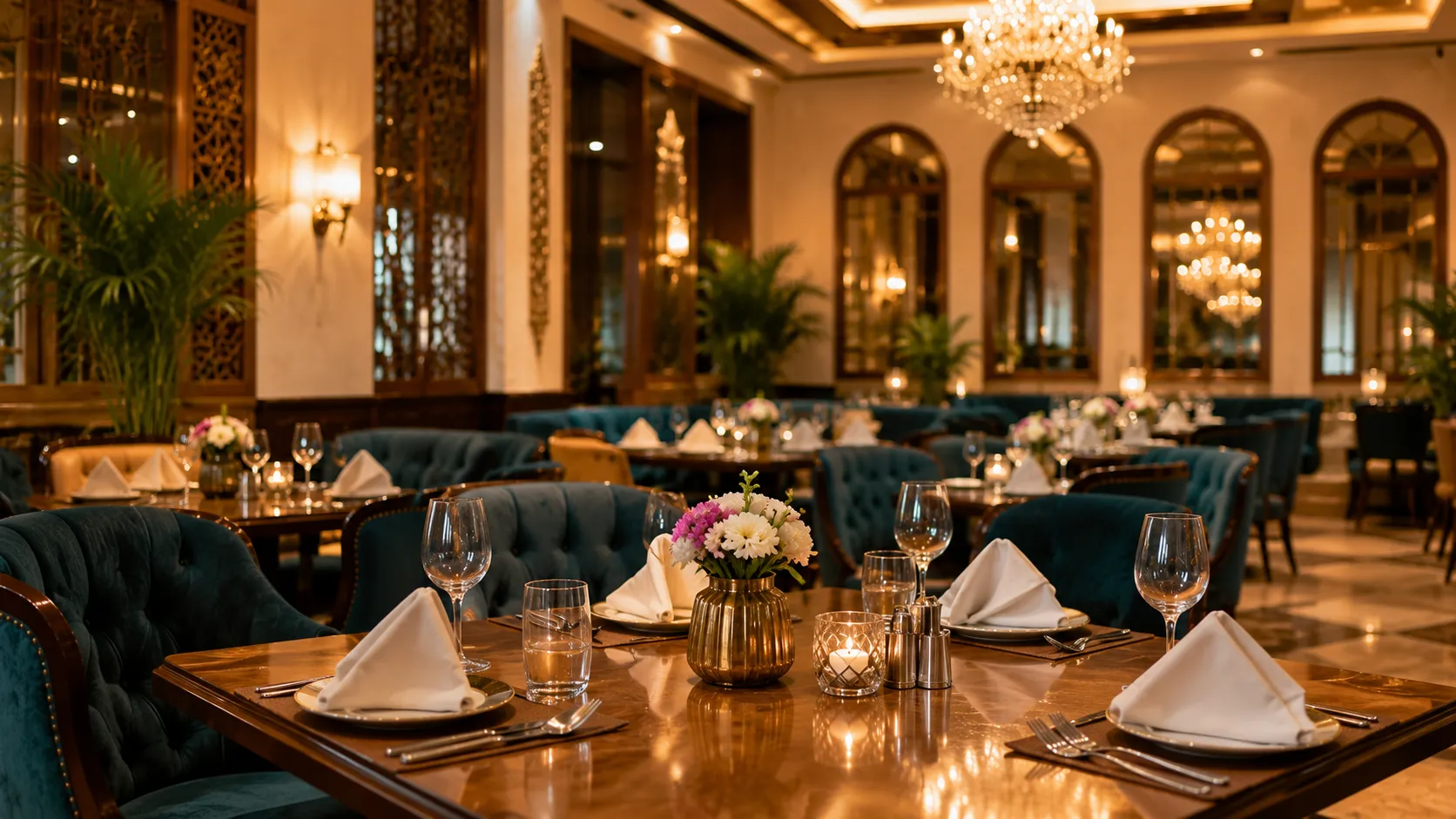
Lighting, seating comfort, space, noise levels, service quality, cleanliness, and overall ambience all influence how people feel during a meal. A peaceful and well-designed dining environment encourages people to stay longer and interact more naturally.
By contrast, crowded or noisy places often create stress and shorten conversations.
Comfortable dining spaces make families feel relaxed.
Relaxed families communicate better.
This is why modern dining preferences increasingly include experience-based expectations. Guests want more than tasty food—they want spaces that feel welcoming and comfortable for all age groups.
A thoughtfully designed restaurant creates emotional value beyond the menu.
Family Dining Creates Stronger Memories
People rarely remember every meal they eat, but they do remember meaningful dining experiences. Birthdays, anniversaries, celebrations, weekend outings, and casual family dinners often become treasured memories.
Children especially remember experiences more than routine moments. A special dinner outing can remain in memory for years because of the emotional connection attached to it.
This is why family dining has long-term value.
Shared meals become part of family stories.
These memories strengthen emotional bonds and create a sense of belonging. Even small dining traditions, such as weekend dinners or monthly family outings, can positively influence relationships.
The emotional value of shared dining often matters far more than people realize.
Restaurants Provide Neutral Family Space
Another important advantage of dining out is that restaurants provide neutral, distraction-free spaces. Home environments often include interruptions such as television, chores, work calls, or household responsibilities.
Restaurants remove many of these distractions.
Families can focus fully on each other without worrying about cooking, serving, or cleaning. This allows everyone, including parents, to relax and enjoy the moment.
This relaxed setting encourages more meaningful interaction.
That is why Family dining in Bharatpur is becoming increasingly popular among families seeking quality bonding time outside daily routine.
The change of environment itself improves the experience.
People talk differently when they feel mentally free.
Premium Dining Enhances the Experience
Modern families increasingly appreciate restaurants that combine quality food with excellent hospitality and ambiance. Premium dining is no longer limited to luxury occasions. It is becoming part of how families choose meaningful experiences.
A Premium restaurant in Bharatpur offers more than meals. It provides comfort, service, atmosphere, and attention to detail that elevate the dining experience.
Good service reduces stress.
Comfortable seating improves relaxation.
Quality food increases satisfaction.
Together, these elements create memorable family outings.
Premium dining does not simply serve food—it enhances connection.
That is why many families now prioritize experience over convenience.
Family Dining Supports Mental Well-Being
Strong family relationships contribute directly to emotional health. Regular positive interactions help reduce stress and improve overall well-being.
Family dining supports these interactions by creating opportunities for emotional connection. People who feel heard and connected often experience better emotional balance.
This applies to both children and adults.
In today’s fast-paced world, intentional bonding has become essential. Family meals create natural moments of emotional support and belonging.
Even occasional dining outings can make a meaningful difference.
Shared meals remind people that connection matters.
That reminder is powerful.
The Future of Dining Is Experience-Driven
The future of the restaurant industry is increasingly experience-driven. Guests now value ambiance, service, comfort, and emotional satisfaction as much as food quality.
Modern families do not simply want meals.
They want experiences worth remembering.
Restaurants that understand this shift will continue growing in relevance. Those that successfully create spaces for connection, comfort, and meaningful interaction will remain important in modern society.
Family dining is not becoming outdated.
It is becoming more valuable.
Final Thoughts
Family dining matters more than ever in today’s fast-moving, digitally distracted world. While fast food culture offers convenience and speed, it often cannot provide the emotional connection that shared dining creates. Meals spent together strengthen communication, improve relationships, create lasting memories, and support emotional well-being. In modern family life, these moments have become incredibly valuable.
Places like Townhall Restaurant Bharatpur near Bharatpur offer families a welcoming environment where quality food, comfort, and meaningful dining experiences come together beautifully.
Frequently Asked Questions
Why is family dining important in today's fast-paced world?
Family dining is crucial as it fosters emotional connections that are often lost in modern lifestyles filled with distractions. Shared meals create opportunities for meaningful communication, helping to strengthen relationships and support emotional well-being.
How has modern technology affected family meals?
Modern technology, including smartphones and streaming services, often diverts attention from shared meals, leading to reduced interactions. Families may be physically together but mentally occupied, which diminishes the emotional depth of their time spent dining.
What are the benefits of dining in a restaurant versus at home?
Dining in a restaurant provides a neutral, distraction-free environment that allows families to focus on each other without the interruptions of home life. This setting can enhance relaxation and facilitate more meaningful interactions among family members.
How does the ambiance of a restaurant influence family dining experiences?
The ambiance of a restaurant significantly impacts the dining experience by creating a comfortable and inviting atmosphere. Factors like lighting, seating, and noise levels can encourage longer conversations and enhance emotional connections during meals.
What role does communication play in family dining?
Communication is a key benefit of family dining, as shared meals encourage open discussions among family members. This relaxed setting helps children feel comfortable expressing themselves, which strengthens trust and understanding within the family.
Why should families prioritize experience over convenience when dining?
Prioritizing experience over convenience allows families to create lasting memories and emotional bonds that fast food culture often lacks. Meaningful dining experiences enhance connection and provide emotional support, which is essential for well-being.
What makes premium dining appealing to families?
Premium dining appeals to families as it combines quality food with excellent service and a comfortable atmosphere. This holistic approach to dining elevates the entire experience, making it more memorable and enjoyable for everyone involved.































Sign in to leave a comment.